. 2013 Jan;34(1):338-50.
doi: 10.1016/j.neurobiolaging.2012.05.010. Epub 2012 Jun 21.

Sensitive quantitative assays for tau and phospho-tau in transgenic mouse models

Affiliations

Sensitive quantitative assays for tau and phospho-tau in transgenic mouse models

Christopher M Acker et al. Neurobiol Aging. 2013 Jan.

Abstract

Transgenic mouse models have been an invaluable resource in elucidating the complex roles of β-amyloid and tau in Alzheimer's disease. Although many laboratories rely on qualitative or semiquantitative techniques when investigating tau pathology, we have developed 4 Low-Tau, Sandwich enzyme-linked immunosorbent assays (ELISAs) that quantitatively assess different epitopes of tau relevant to Alzheimer's disease: total tau, pSer-202, pThr-231, and pSer-396/404. In this study, after comparing our assays with commercially available ELISAs, we demonstrate our assay's high specificity and quantitative capabilities using brain homogenates from tau transgenic mice, htau, JNPL3, and tau knockout. All 4 ELISAs show excellent specificity for mouse and human tau, with no reactivity to tau knockout animals. An age-dependent increase of serum tau in both tau transgenic models was also seen. Taken together, these assays are valuable methods to quantify tau and phospho-tau levels in transgenic animals, by examining tau levels in brain and measuring tau as a potential serum biomarker.


Figures

Figure 1
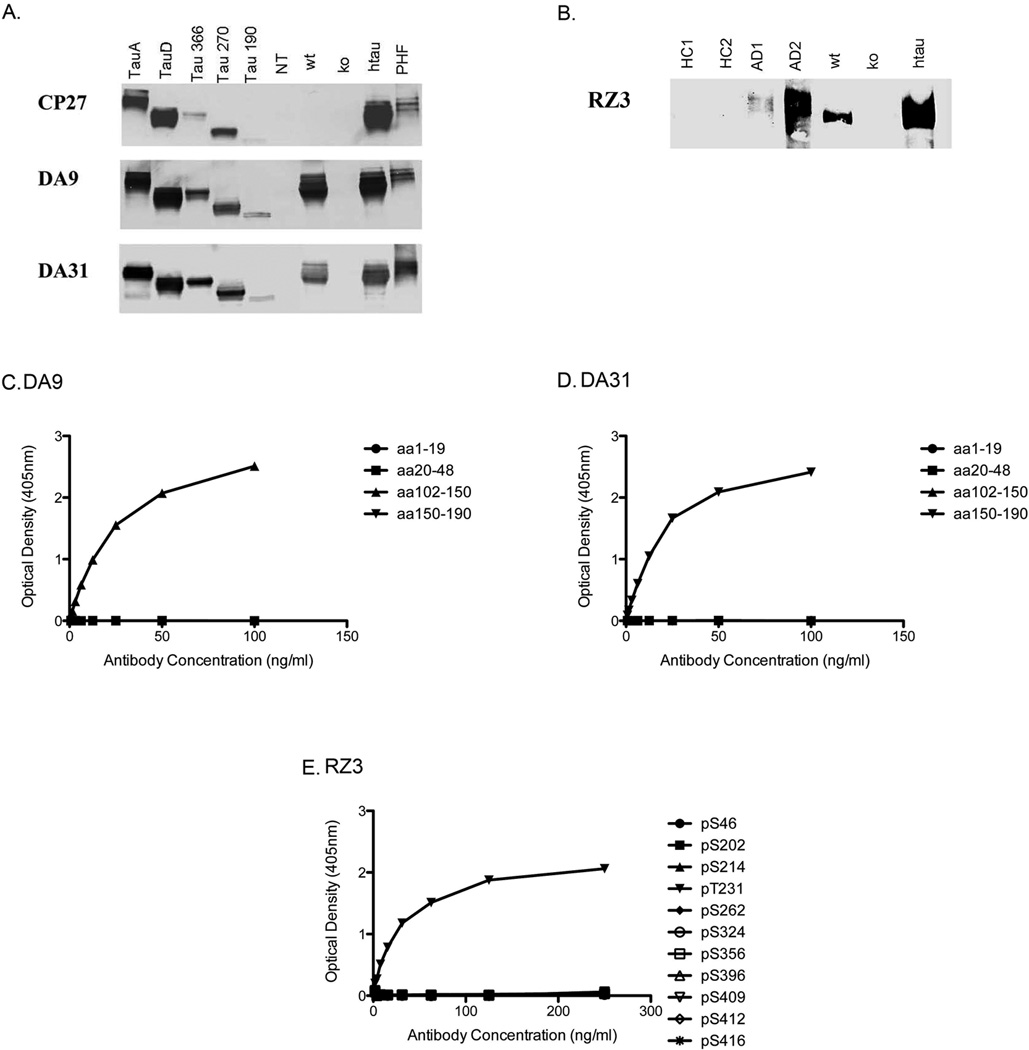
Figure 1. DA9 and DA31 are tau sequence antibodies, while RZ3 is specific for pThr-231 tau
A. Immunoblots of new total tau antibodies DA9 and DA31 on a panel of cell lysates transfected with tau constructs. Both antibodies react with Tau441 (TauA), tau without exons 2, 3 and 10 (TauD), Tau366, Tau270 and Tau190 (C-terminal deletions). The antibodies also react with brain homogenates from wild type and htau mice, with no reactivity to the tau KO mouse. Therefore both DA9 and DA31 recognize a tau sequence between amino acids 1–47 or 102–190. B. Immunoblot of RZ3 demonstrates that the phospho-tau antibody reacts with homogenate samples from confirmed human AD patients, wild type and htau mice, with no reactivity to healthy controls patients or tau KO mice. C, D, E. Epitope mapping ELISAs to determine the exact epitope reactivity of DA9, DA31, and RZ3. C. DA9 only recognizes a tau amino acid sequence peptide from 102–150. D. DA31 only recognizes a tau amino acid sequence peptide from 105–190. E. RZ3 recognizes the pThr-231 site on a phospho-tau peptide with no reactivity to any other relevant phospho-tau site.
Figure 2
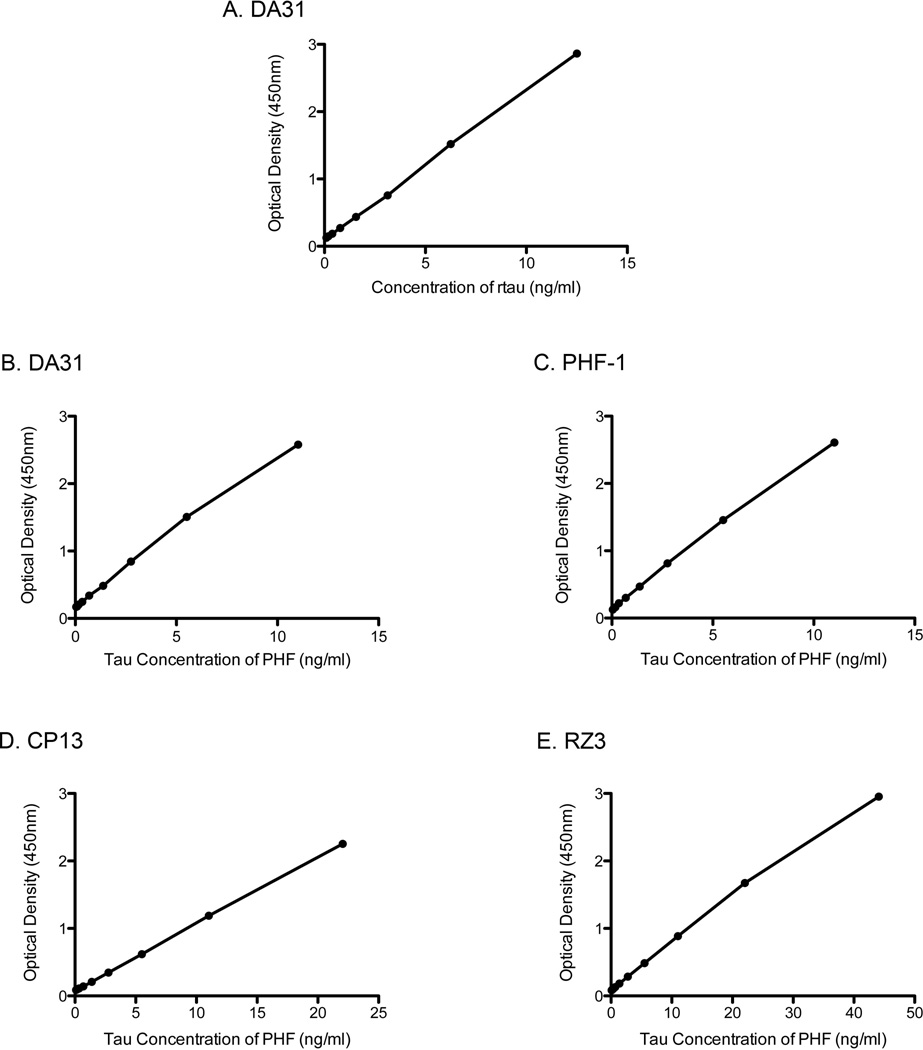
Figure 2. Standard dilution curve for Low-Tau ELISAs
A. Analysis of recombinant tau (rtau) dilution curve, with the total-tau antibody capture, DA31. B, C, D, E. Analyses of the relative sensitivities of total tau and phospho-tau ELISA to the PHF-tau preparation: DA31 (B), PHF-1 (C), CP13 (D), and RZ3 (E). Tau concentration of PHF-tau determined based on ng/ml of tau in PHF-tau sample, a direct comparison of the dilution curves of the same PHF-tau sample and rtau on DA31 capture ELISA.
Figure 3
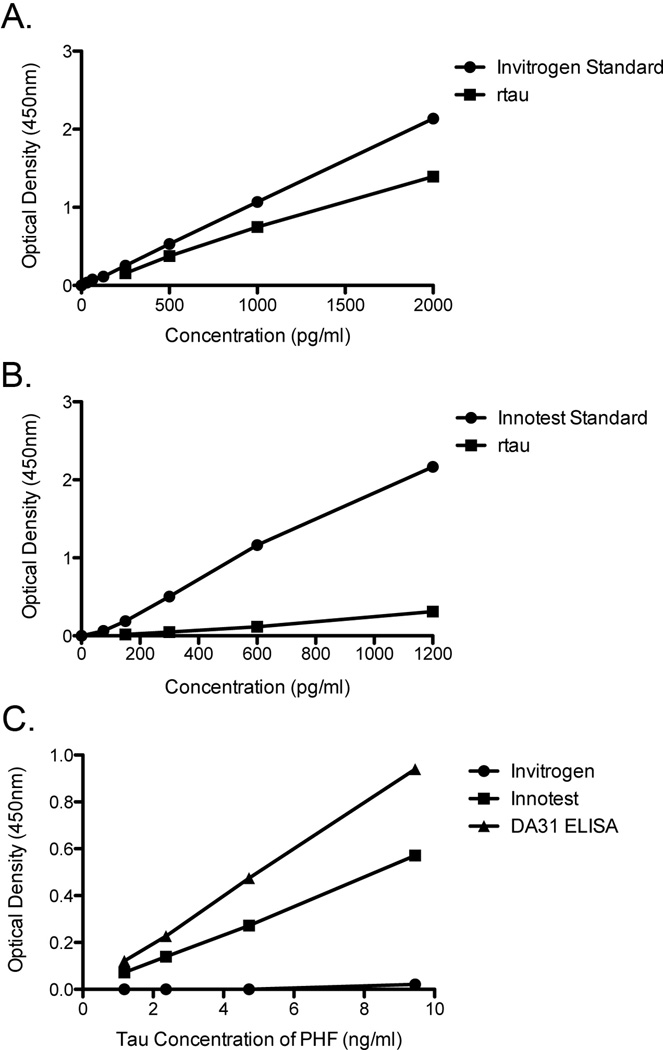
Figure 3. Comparison of commercial total tau ELISAs
A. Analysis of the provided total tau standard and rtau on Invitrogen total tau ELISA kit demonstrates similar reactivity at the same concentrations. B. Analysis of rtau and provided total tau standard on Innotest total tau ELISA kit shows less reactivity to rtau at the same concentrations. C. A serial dilution of the same PHF-tau sample in the three different total tau ELISAs, show that DA31 ELISA has improved sensitivity to PHF-tau compared to the Innotest assay, while the Invitrogen ELISA does not recognize PHF-tau. Tau concentration of PHF-tau was determined based on ng/ml of tau in PHF-tau sample, using a direct comparison of the dilution curves of the same PHF-tau sample and rtau on the DA31 capture ELISA.
Figure 4
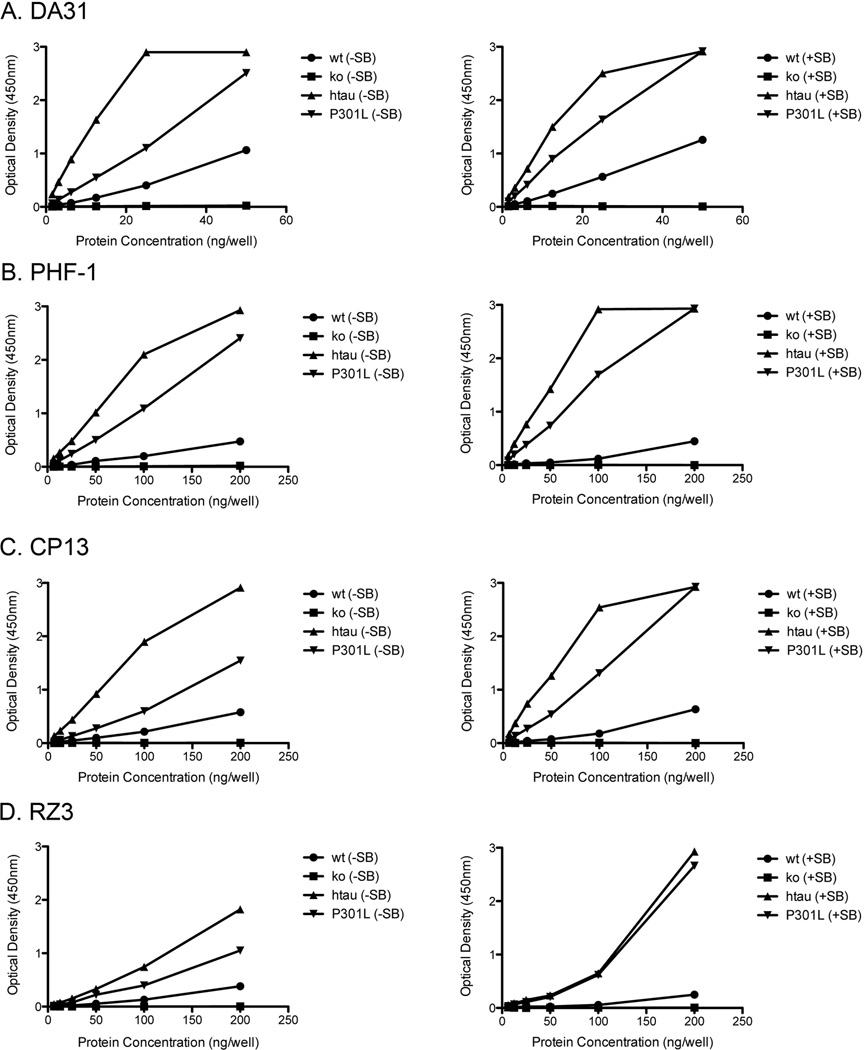
Figure 4. Specificity of Low-Tau ELISAs on mouse brain homogenates
A, B, C, D. DA31 (A), PHF-1 (B), CP13 (C) and RZ3 (D) capture ELISAs demonstrate specificity to mouse (wt) and human tau (htau and P301L), with no reactivity to a transgenic mouse lacking tau (tau KO). Same ELISAs also show tremendous versatility in the ability to use various sample preparations. All four ELISAs react with forebrain lysate prepared with (right panel) and without (left panel) Laemmli sample buffer.
Figure 5
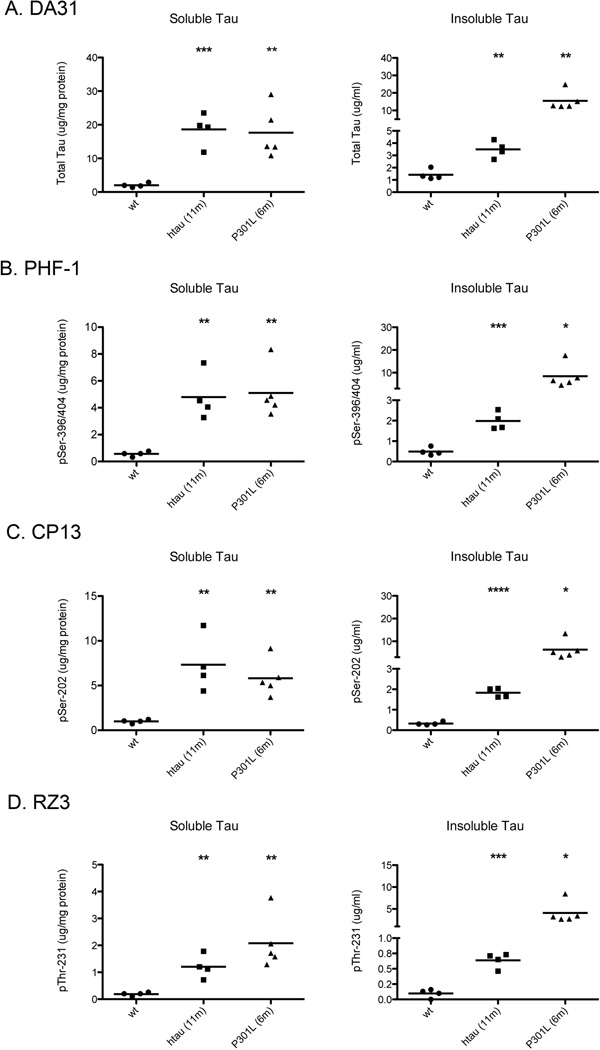
Figure 5. Quantification of soluble and insoluble tau in tau transgenic mice
A, B, C, D. Quantitative analysis of DA31 (A), PHF-1 (B), CP13 (C), and RZ3 (D) ELISAs on the soluble and insoluble tau preparations from brain homogenate of 11 month htau and 6 month P301L, compared to wild type mice. Both soluble and insoluble tau in the htau and P301L mice demonstrate expected increases in tau and phosphorylated tau at the observed ages. Unpaired t-test was used to calculate significance of soluble tau and insoluble tau transgenic brain homogenate when compared to wild type samples *=p<0.05, **=p<0.01, ***=p<0.001, ****=p<0.0001.
Figure 6
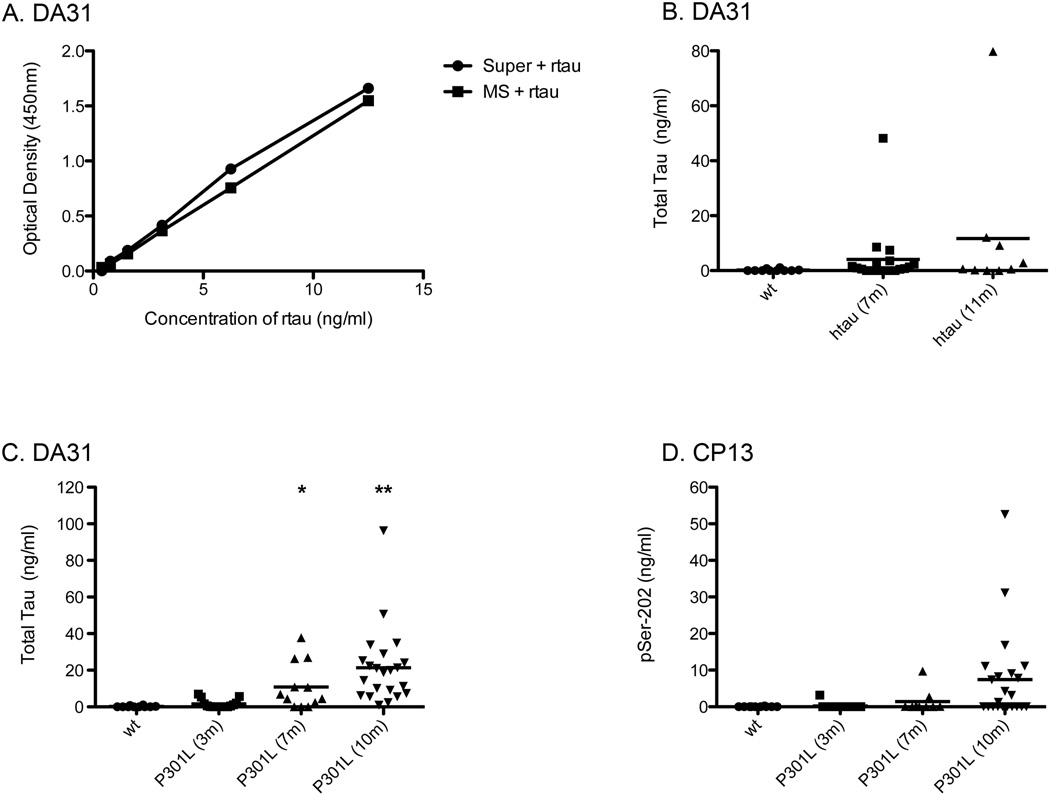
Figure 6. Total tau and phospho-tau is detectable in mouse serum
A. Serum collected from wild type mice and spiked with rtau (MS + rtau) show similar reactivity when compared to rtau added to the normal diluent 20% Superblock (Super + rtau), analysis on DA31 ELISA. B. DA31 ELISA analysis of htau mouse sera at 7 months and 10 months of age illustrates an increase trend, however not significant, in the amount of total tau detected compared to wild type sera. C. DA31 analysis of sera from P301L mice shows a significant age-dependent increase of total tau, beginning at 7 months of age and increasing in 10-month mice. D. CP13 analysis of the same sera from P301L mice shows an increased trend of pSer-202 tau at around 10 months of age. Unpaired t-test was used to calculate significance of tau in the sera of htau and P301L when compared to wild type sera, *= p<0.05, **=p<0.01.

References

    1. Andorfer C, Acker CM, Kress Y, Hof PR, Duff K, Davies P. Cell-cycle reentry and cell death in transgenic mice expressing nonmutant human tau isoforms. J Neurosci. 2005;25(22):5446–5454. - PMC - PubMed
    1. Andorfer C, Kress Y, Espinoza M, de Silva R, Tucker KL, Barde YA, Duff K, Davies P. Hyperphosphorylation and aggregation of tau in mice expressing normal human tau isoforms. J Neurochem. 2003;86(3):582–590. - PubMed
    1. Arriagada PV, Growdon JH, Hedley-Whyte ET, Hyman BT. Neurofibrillary tangles but not senile plaques parallel duration and severity of Alzheimer's disease. Neurology. 1992;42(3 Pt 1):631–639. - PubMed
    1. Asuni AA, Boutajangout A, Quartermain D, Sigurdsson EM. Immunotherapy targeting pathological tau conformers in a tangle mouse model reduces brain pathology with associated functional improvements. J Neurosci. 2007;27(34):9115–9129. - PMC - PubMed
    1. Augustinack JC, Schneider A, Mandelkow EM, Hyman BT. Specific tau phosphorylation sites correlate with severity of neuronal cytopathology in Alzheimer's disease. Acta Neuropathol. 2002;103(1):26–35. - PubMed

Publication types