


"Bath salts" and "plant food" products: the experience of one regional US poison center
- PMID: 22733603
- PMCID: PMC3576506
- DOI: 10.1007/s13181-012-0243-1
"Bath salts" and "plant food" products: the experience of one regional US poison center
Abstract
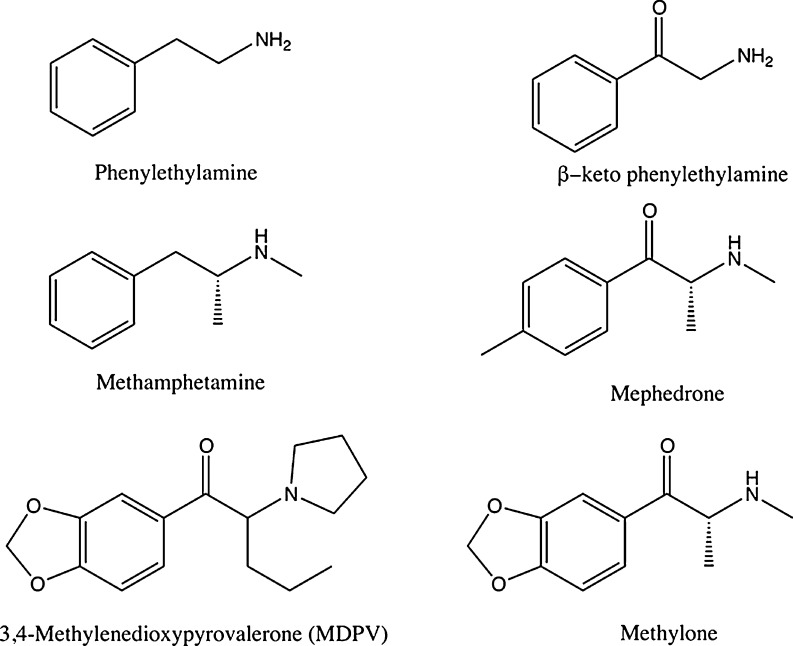
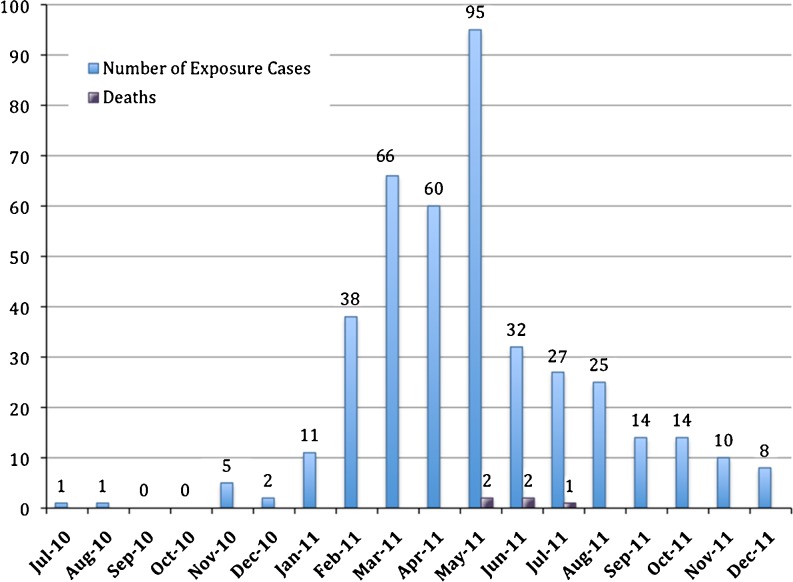
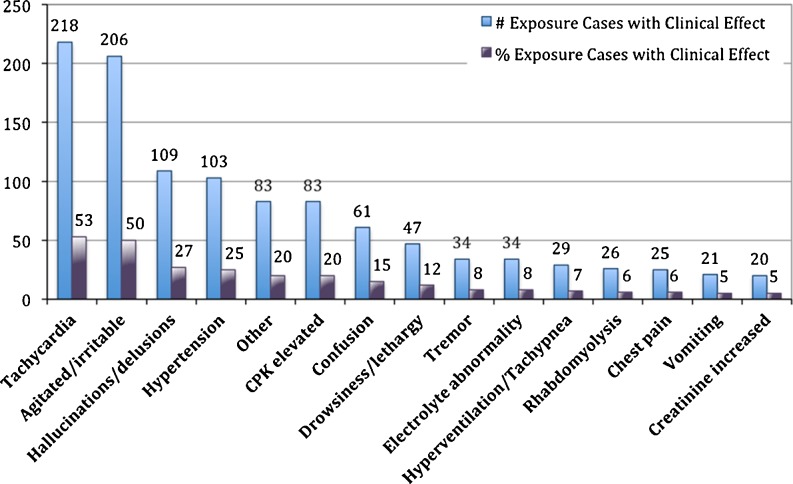
Abuse of psychogenic substances sold as "bath salts" and "plant food" has escalated in recent years in the United States (USA). Previous reports suggest regional differences in the primary active β-keto phenylalkylamines found in these products and the corresponding signs and symptoms reported after exposure. Currently, there are only limited studies describing the clinical effects associated with reported "bath salts" exposure in the USA. This study describes the clinical effects associated with "bath salt" and "plant food" exposures as reported to the poison center serving the state of North Carolina (Carolinas Poison Center). We performed a retrospective review of the Carolinas Poison Center database for all cases of reported human exposure to "bath salt" and "plant food" products from 2010 to 2011 with specific attention to clinical effects and routes of exposure. Additionally, we reviewed therapies used, trended the volume of exposure cases reported over the study period, and evaluated the distribution of calls within state counties using descriptive statistics. Carolinas Poison Center received 485 total calls and 409 reported exposure calls regarding "bath salt" or "plant food" products between January of 2010 and December of 2011. The peak of reported exposures occurred in May of 2011. Clinical effects commonly reported in the exposure cases generated from these calls included tachycardia (53.3 %, n = 218), agitated/irritable (50.4 %, n = 206), hallucination/delusions (26.7 %, n = 109), and hypertension (25.2 %, n = 103). In addition to intravenous fluids, common therapies included benzodiazepines (46.0 %, n = 188), sedation (13.4 %, n = 55), alkalinization (3.90 %, n = 16), antihistamine (4.16 %, n = 17), and intubation (3.67 %, n = 15). Haloperidol was the antipsychotic agent used most often to treat agitation (n = 40). Serious complications associated with reported exposure to "bath salt" and "plant food" products included rhabdomyolysis, renal failure, excited delirium syndrome, and death. While treatments have not been empirically determined, sedation with benzodiazepines, aggressive cooling for hyperthermic patients, and use of small doses of antipsychotics for choreoathetoid movements not controlled with benzodiazepines are not likely to be harmful.
Figures
References
Publication types
MeSH terms
Substances
LinkOut - more resources
Full Text Sources
Medical
