


Cholesterol-tethered platinum II-based supramolecular nanoparticle increases antitumor efficacy and reduces nephrotoxicity
- PMID: 22733767
- PMCID: PMC3396529
- DOI: 10.1073/pnas.1203129109
Cholesterol-tethered platinum II-based supramolecular nanoparticle increases antitumor efficacy and reduces nephrotoxicity
Abstract
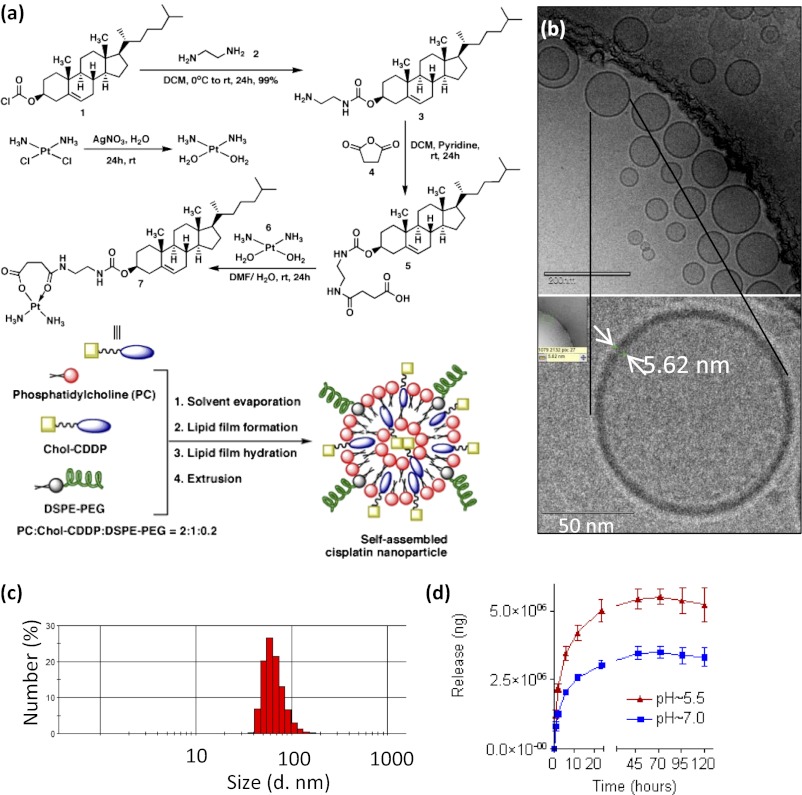
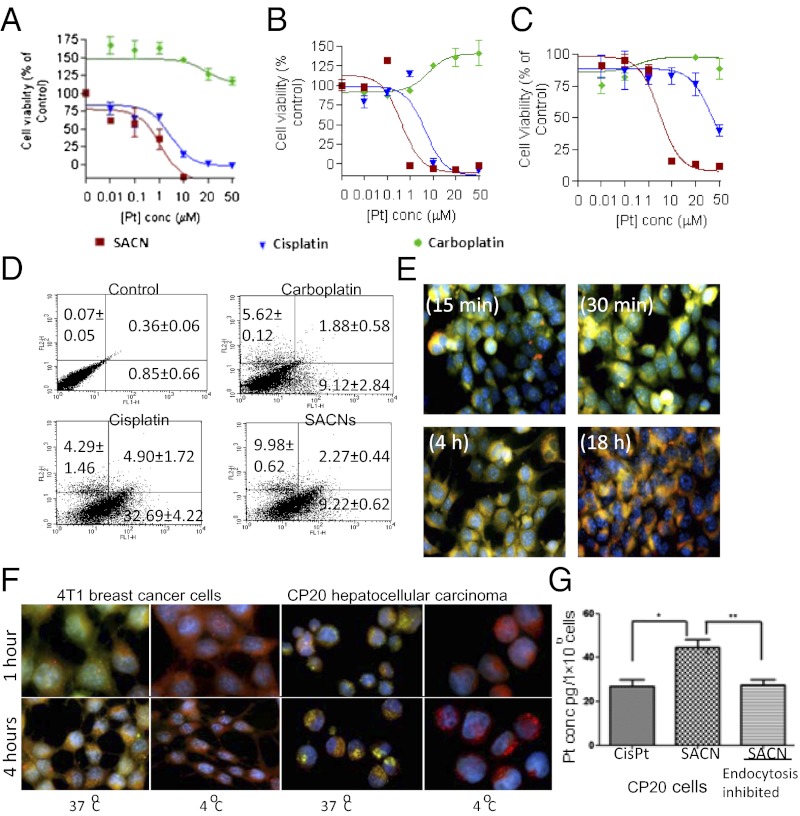
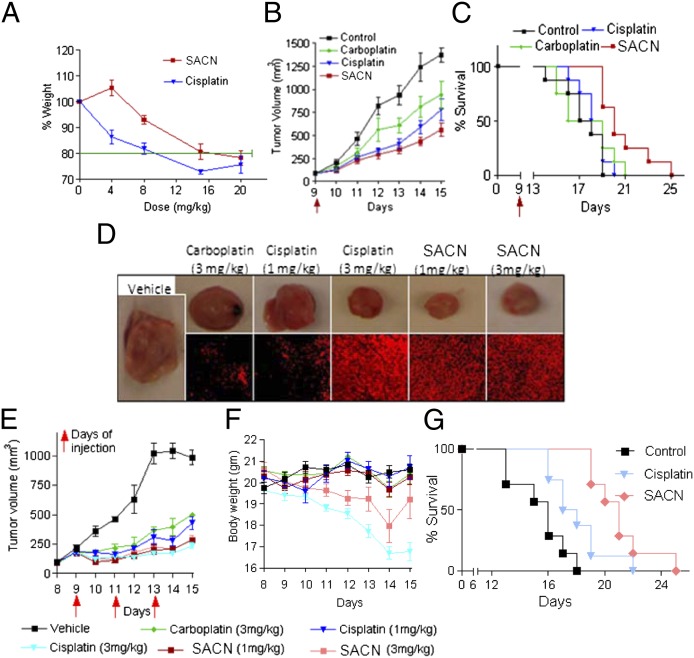
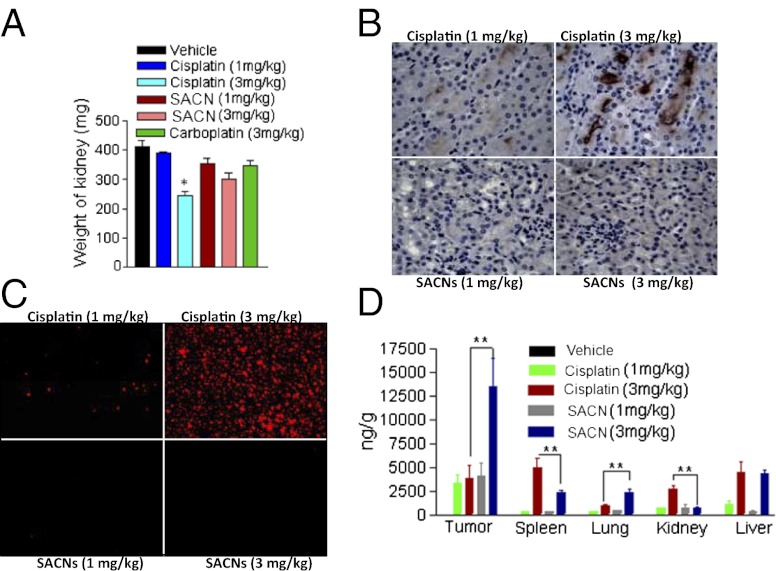
Nanoscale drug delivery vehicles have been harnessed extensively as carriers for cancer chemotherapeutics. However, traditional pharmaceutical approaches for nanoformulation have been a challenge with molecules that exhibit incompatible physicochemical properties, such as platinum-based chemotherapeutics. Here we propose a paradigm based on rational design of active molecules that facilitate supramolecular assembly in the nanoscale dimension. Using cisplatin as a template, we describe the synthesis of a unique platinum (II) tethered to a cholesterol backbone via a unique monocarboxylato and O→Pt coordination environment that facilitates nanoparticle assembly with a fixed ratio of phosphatidylcholine and 1,2-distearoyl-sn-glycero-3-phosphoethanolamine-N-[amino (polyethylene glycol)-2000]. The nanoparticles formed exhibit lower IC(50) values compared with carboplatin or cisplatin in vitro, and are active in cisplatin-resistant conditions. Additionally, the nanoparticles exhibit significantly enhanced in vivo antitumor efficacy in murine 4T1 breast cancer and in K-Ras(LSL/+)/Pten(fl/fl) ovarian cancer models with decreased systemic- and nephro-toxicity. Our results indicate that integrating rational drug design and supramolecular nanochemistry can emerge as a powerful strategy for drug development. Furthermore, given that platinum-based chemotherapeutics form the frontline therapy for a broad range of cancers, the increased efficacy and toxicity profile indicate the constructed nanostructure could translate into a next-generation platinum-based agent in the clinics.
Conflict of interest statement
Conflict of interest statement: P.S., S.B., S. Soni, A.S.P., and S. Sengupta are listed as inventors on a patent filed by Brigham and Women's Hospital.
Figures
References
-
- Jemal A, Center MM, DeSantis C, Ward EM. Global patterns of cancer incidence and mortality rates and trends. Cancer Epidemiol Biomarkers Prev. 2010;19:1893–1907. - PubMed
-
- World Health Organization (2008) WHO Cancer Report Available at http://www.who.int/cancer/en/. Accessed June 12, 2012.
-
- Ferrari M. Cancer nanotechnology: Opportunities and challenges. Nat Rev Cancer. 2005;5:161–171. - PubMed
-
- Yuan F, et al. Microvascular permeability and interstitial penetration of sterically stabilized (stealth) liposomes in a human tumor xenograft. Cancer Res. 1994;54:3352–3356. - PubMed
-
- Northfelt DW, et al. Doxorubicin encapsulated in liposomes containing surface-bound polyethylene glycol: Pharmacokinetics, tumor localization, and safety in patients with AIDS-related Kaposi’s sarcoma. J Clin Pharmacol. 1996;36:55–63. - PubMed
Publication types
MeSH terms
Substances
Grants and funding
LinkOut - more resources
Full Text Sources
Other Literature Sources
Medical
Molecular Biology Databases
Research Materials
