Retinoid metabolism and diabetes mellitus
- PMID: 22737656
- PMCID: PMC3380120
- DOI: 10.4093/dmj.2012.36.3.167
Retinoid metabolism and diabetes mellitus
Abstract
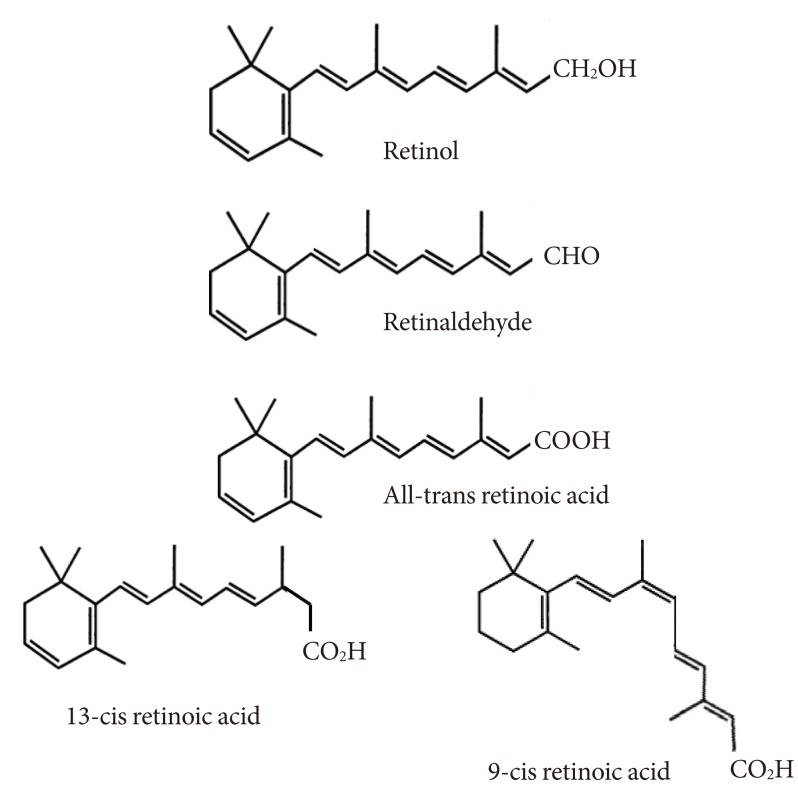
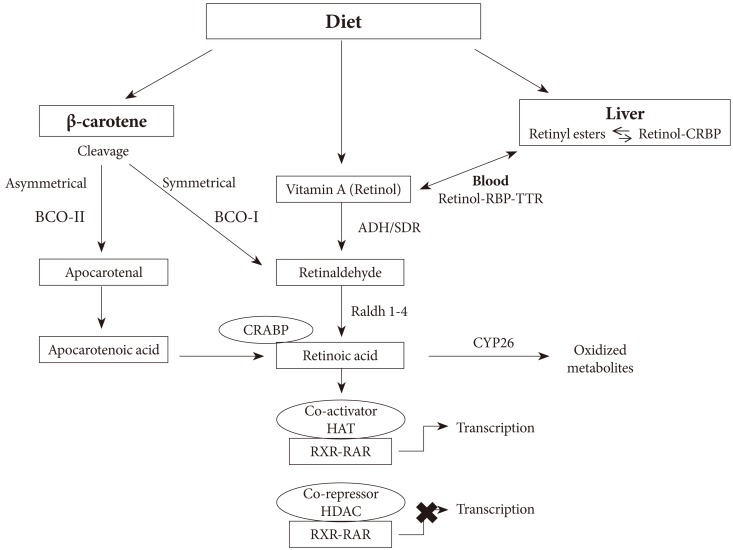
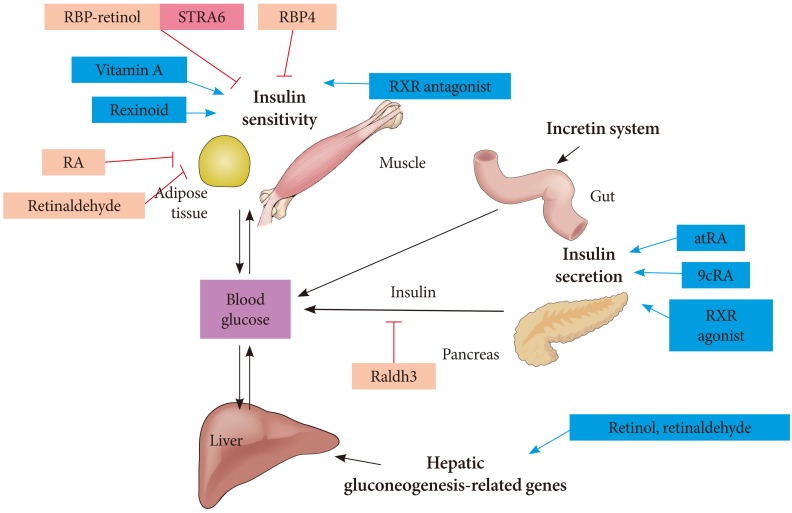
Retinoid acid is a metabolite of vitamin A and functions as an important factor in cell survival, differentiation and death. Most previous studies on retinoid metabolism have focused on its association with cancer, hematologic and dermatologic disorders. Given the special concern over the recent increase in the prevalence of diabetes worldwide, the role of retinoid metabolism on glucose metabolism and insulin resistance in the human body is of marked importance. Therefore, in this issue, we review the literature on the association of retinoid metabolism with glucose tolerance, with regard to insulin secretion, pancreatic autoimmunity, insulin sensitivity and lipid metabolism. Further, we tried to assess the possibility of using retinoids as a novel therapeutic strategy for diabetes.
Keywords: Diabetes mellitus; Retinoid; Rexinoid.
Conflict of interest statement
No potential conflict of interest relevant to this article was reported.
Figures
References
-
- Bendich A, Olson JA. Biological actions of carotenoids. FASEB J. 1989;3:1927–1932. - PubMed
-
- Napoli JL. Interactions of retinoid binding proteins and enzymes in retinoid metabolism. Biochim Biophys Acta. 1999;1440:139–162. - PubMed
-
- Prieur DJ, Fenstermacher JD, Guarino AM. A choroid plexus papilloma in an elasmobranch (Squalus acanthias) J Natl Cancer Inst. 1976;56:1207–1209. - PubMed
LinkOut - more resources
Full Text Sources
Other Literature Sources