


Our experience with split electrode array implant for obliterated cochlea
- PMID: 22754801
- PMCID: PMC3138962
- DOI: 10.1007/s12070-011-0153-6
Our experience with split electrode array implant for obliterated cochlea
Abstract
To study the outcomes of split electrode array cochlear implantation in ossified cochlea using the CAP scoring system. Retrospective case study. Tertiary referral center. Six cochleae in three adult and three pediatric patients with ossification.
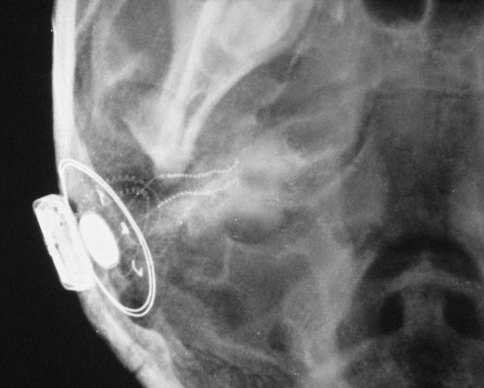
Intervention(s): All Patients underwent cochlear implantation with a split electrode array system. Major outcome parameter(s): Number of electrodes inserted during surgery, number of functioning electrodes on follow-up and auditory performance evaluation using the CAP score-Category of Auditory Perception [TSC Revised Version, based on Nottingham CI Program, 1995]. Six patients (three children and three adults) had insertion of split electrode array system. The mean number of electrodes inserted were 18.3 (range 15-21) and functioning electrodes at follow-up were mean of 14.3 (range 7-21). Auditory performance was measured using CAP score at 1 year post implant follow up, mean score in children was six and that in adult was eight. One pt had facial nerve twitching which was corrected by switching off the concerned electrode. No complications in sort of facial palsy or vestibular disorder were observed. Patients of ossified cochlea having profound deafness do well with split electrode array cochlear implantation as evaluated with CAP scoring system. The split electrode array results in more number of electrodes within the cochlear lumen. Retro graded apical array insertion has less chances of facial nerve stimulation as it is placed away from the nerve.
Keywords: Category of auditory perception (CAP); Cochlear ossification; Split electrode array.
Figures

References
-
- Shelton MM, Marks WA. Bacterial meningitis: an update. Neurol Clin. 1990;8:605–617. - PubMed
-
- Nadol JB, Jr, Hsu W. Histopathologic correlation of spiral ganglion cell count and new bone formation in the cochlea following meningogenic labyrinthitis and deafness. Ann Otol Rhinol Laryngol. 1991;100:111–113. - PubMed
-
- Ibrahim RA, Linthicum FH., Jr Labyrinthitis ossificans and cochlear implants. Arch Otolaryngol. 1980;106:111–113. - PubMed
-
- Green JD, Marion MS, Hinjosa R. Labyrinthitis ossificans: histopathologic consideration for cochlear implantation. Otolaryngol Head Neck Surg. 1991;104:320–326. - PubMed
LinkOut - more resources
Full Text Sources
Miscellaneous