


Gastrodin inhibits allodynia and hyperalgesia in painful diabetic neuropathy rats by decreasing excitability of nociceptive primary sensory neurons
- PMID: 22761855
- PMCID: PMC3382466
- DOI: 10.1371/journal.pone.0039647
Gastrodin inhibits allodynia and hyperalgesia in painful diabetic neuropathy rats by decreasing excitability of nociceptive primary sensory neurons
Abstract
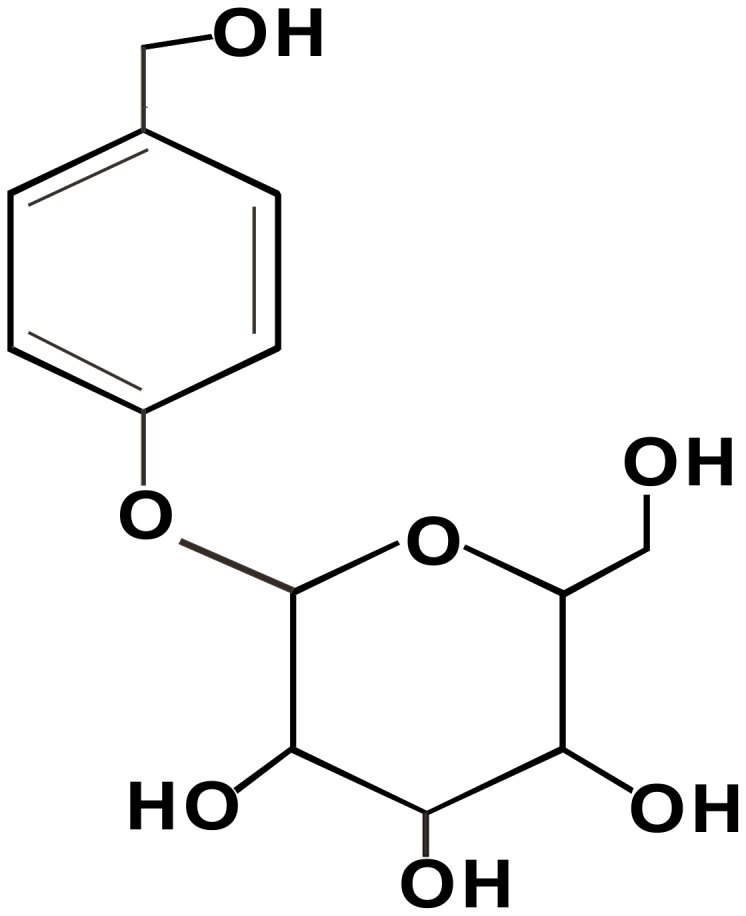
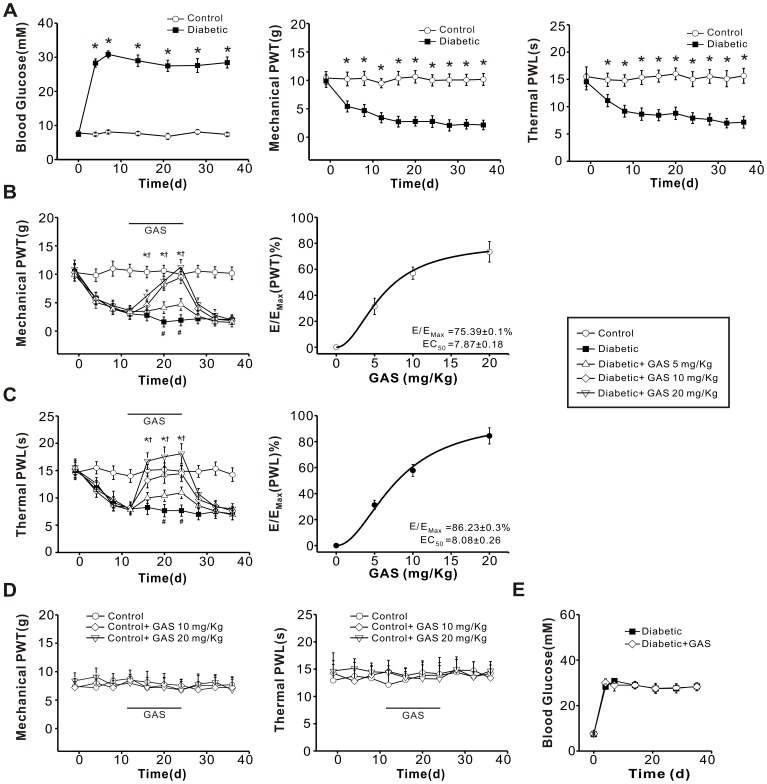
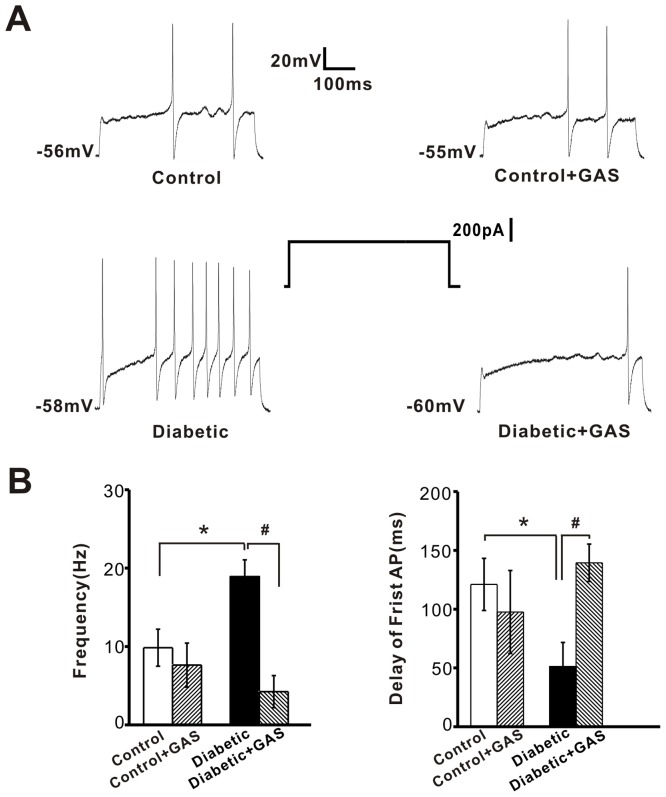
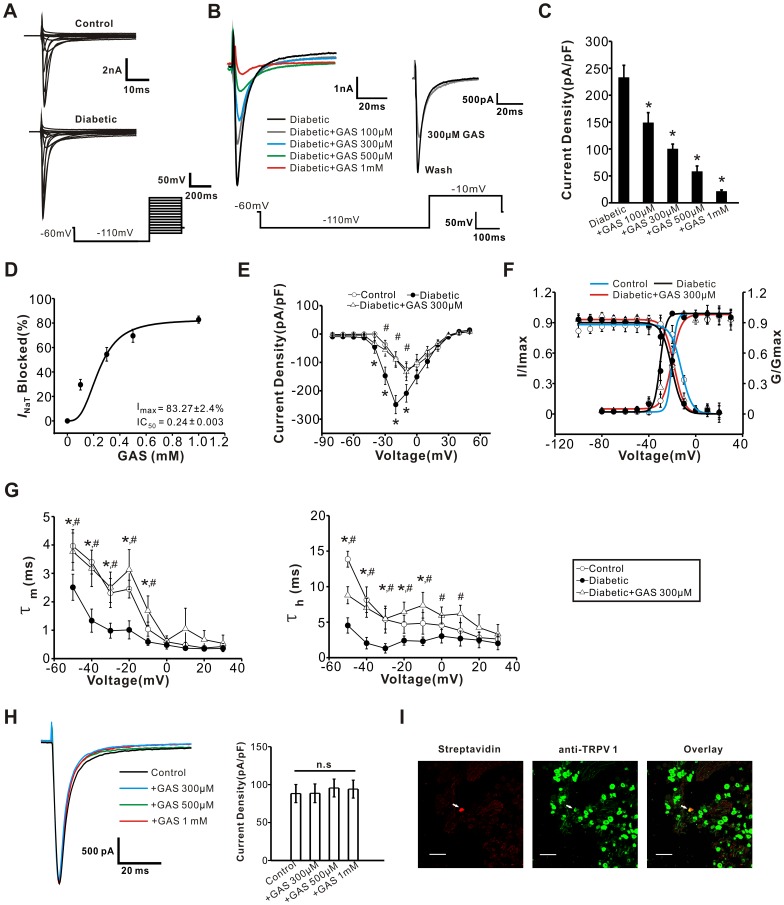
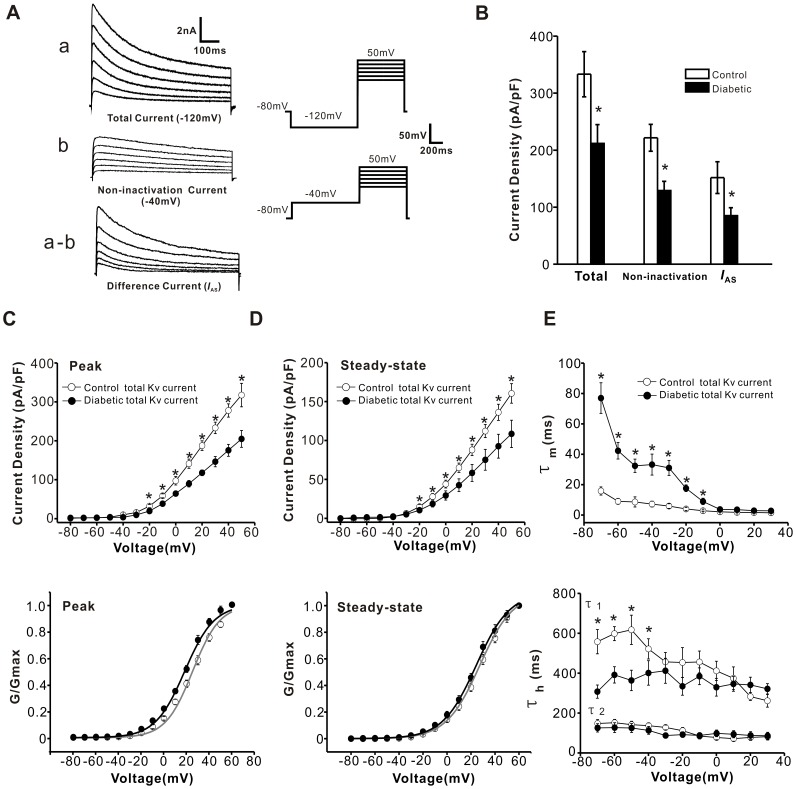
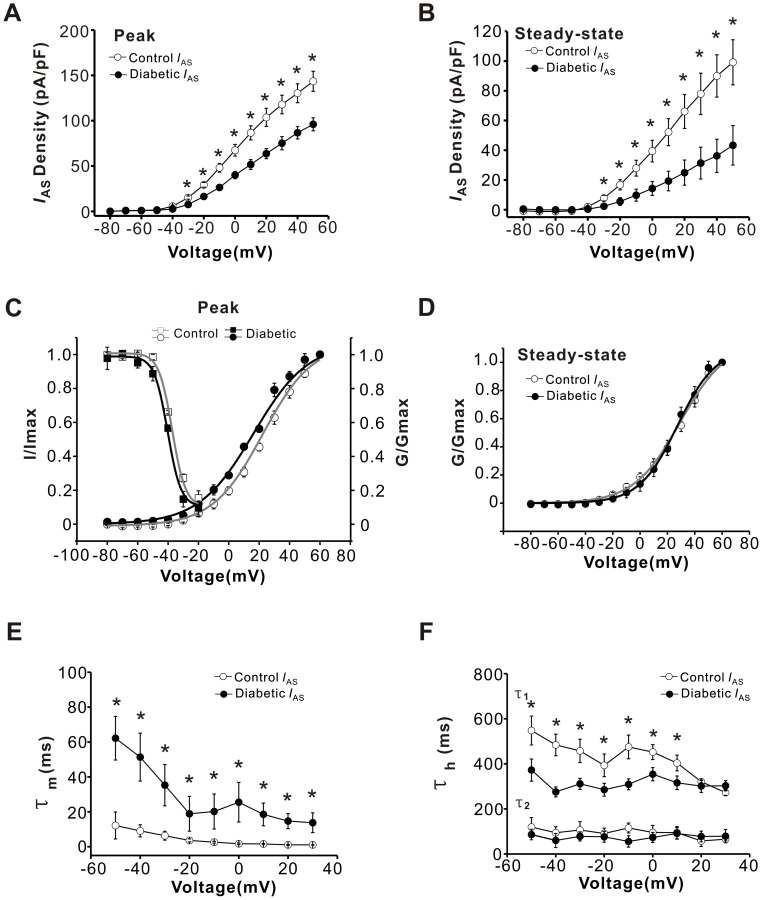
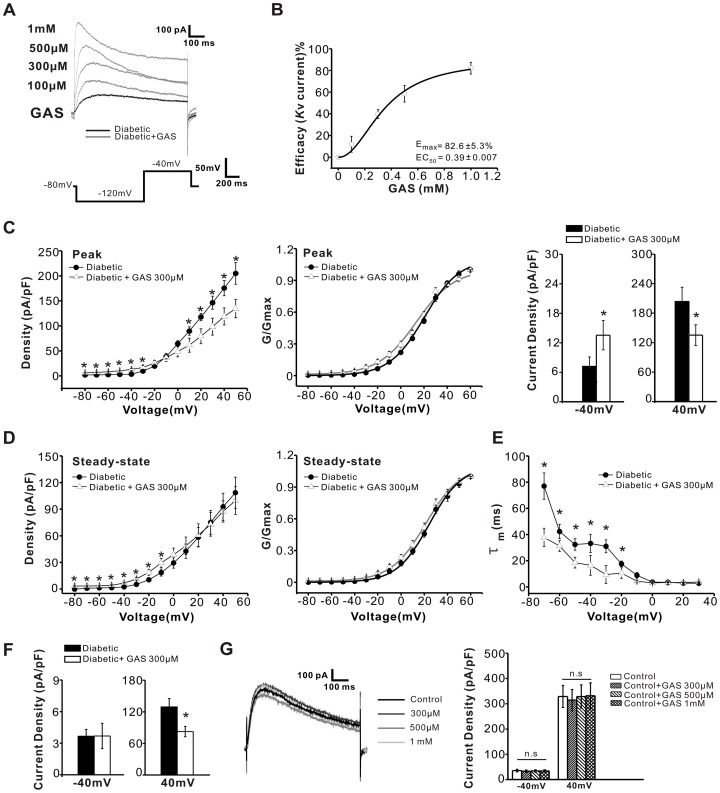
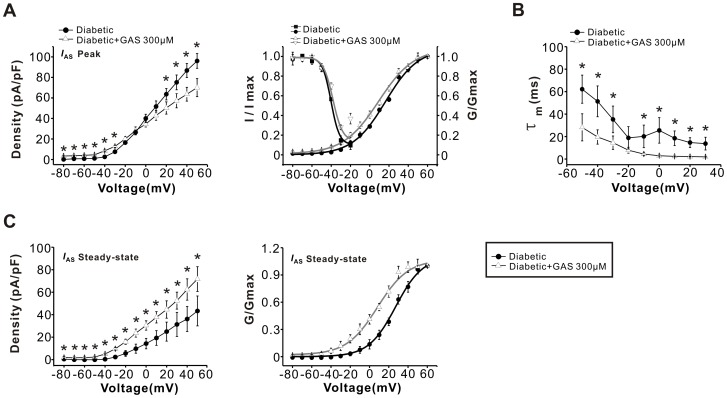
Painful diabetic neuropathy (PDN) is a common complication of diabetes mellitus and adversely affects the patients' quality of life. Evidence has accumulated that PDN is associated with hyperexcitability of peripheral nociceptive primary sensory neurons. However, the precise cellular mechanism underlying PDN remains elusive. This may result in the lacking of effective therapies for the treatment of PDN. The phenolic glucoside, gastrodin, which is a main constituent of the Chinese herbal medicine Gastrodia elata Blume, has been widely used as an anticonvulsant, sedative, and analgesic since ancient times. However, the cellular mechanisms underlying its analgesic actions are not well understood. By utilizing a combination of behavioral surveys and electrophysiological recordings, the present study investigated the role of gastrodin in an experimental rat model of STZ-induced PDN and to further explore the underlying cellular mechanisms. Intraperitoneal administration of gastrodin effectively attenuated both the mechanical allodynia and thermal hyperalgesia induced by STZ injection. Whole-cell patch clamp recordings were obtained from nociceptive, capsaicin-sensitive small diameter neurons of the intact dorsal root ganglion (DRG). Recordings from diabetic rats revealed that the abnormal hyperexcitability of neurons was greatly abolished by application of GAS. To determine which currents were involved in the antinociceptive action of gastrodin, we examined the effects of gastrodin on transient sodium currents (I(NaT)) and potassium currents in diabetic small DRG neurons. Diabetes caused a prominent enhancement of I(NaT) and a decrease of potassium currents, especially slowly inactivating potassium currents (I(AS)); these effects were completely reversed by GAS in a dose-dependent manner. Furthermore, changes in activation and inactivation kinetics of I(NaT) and total potassium current as well as I(AS) currents induced by STZ were normalized by GAS. This study provides a clear cellular basis for the peripheral analgesic action of gastrodin for the treatment of chronic pain, including PDN.
Conflict of interest statement
Figures
References
-
- Gooch C, Podwall D. The diabetic neuropathies. Neurologist. 2004;10:311–322. - PubMed
-
- Belmin J, Valensi P. Diabetic neuropathy in elderly patients. What can be done? Drugs Aging. 1996;8:416–429. - PubMed
-
- Wild S, Roglic G, Green A, Sicree R, King H. Global prevalence of diabetes: estimates for the year 2000 and projections for 2030. Diabetes Care. 2004;27:1047–1053. - PubMed
-
- Brown MJ, Asbury AK. Diabetic neuropathy. Ann Neurol. 1984;15:2–12. - PubMed
-
- Clark CJ, Lee DA. Prevention and treatment of the complications of diabetes mellitus. N Engl J Med. 1995;332:1210–1217. - PubMed
Publication types
MeSH terms
Substances
LinkOut - more resources
Full Text Sources
Other Literature Sources
Medical
Research Materials
