


Sarcoptic-mange detector dogs used to identify infected animals during outbreaks in wildlife
- PMID: 22776804
- PMCID: PMC3407749
- DOI: 10.1186/1746-6148-8-110
Sarcoptic-mange detector dogs used to identify infected animals during outbreaks in wildlife
Abstract
Background: One of the main aims of forensic investigation is the detection and location of people and substances of interest, such as missing people and illegal drugs. Dogs (Canis lupus var. familiaris) have had an important role in legal and forensic investigations for decades; nonetheless canines' keen sense of smell has never been utilized in either the surveillance or control of wildlife diseases. The rapid removal and treatment of infected carcasses and/or sick animals is a key task in the management of infectious diseases, but it is usually difficult or impractical to carry out in the wild.
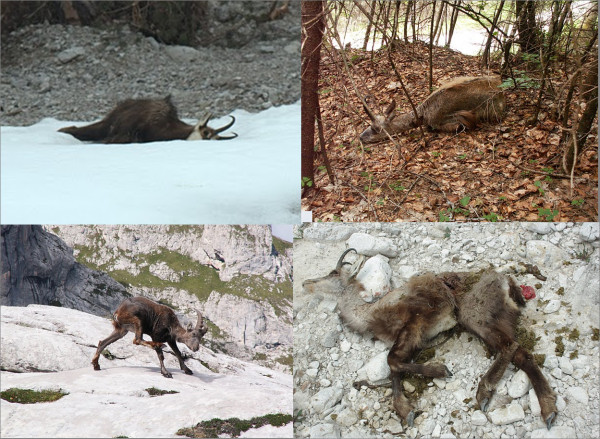
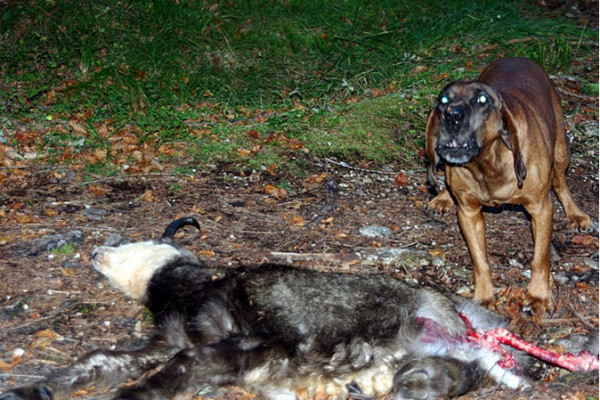
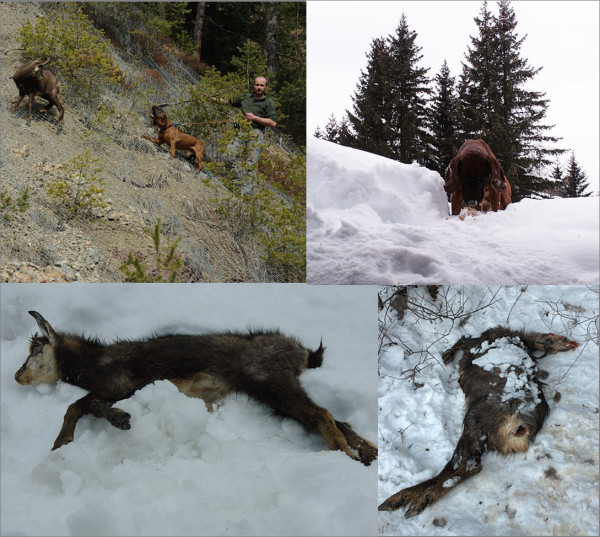
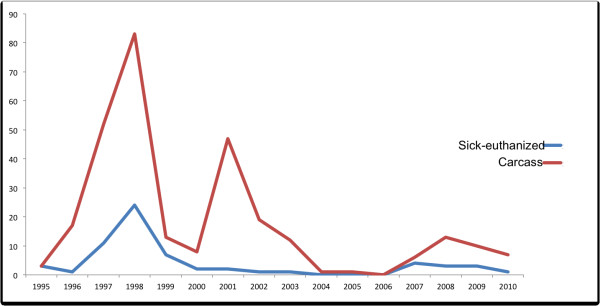
Results: In this paper we report on a study running over a period of 15 years, in which - for the first time to our knowledge - two disease-detector dogs were trained to follow the scent of Sarcoptes-infected animals and to find carcasses, even under the snow, and apparently no false positives were detected in fieldwork. Sarcoptic mange-detector dogs were used to collect the carcasses of 292 mangy wild animals and to identify, separate from their herd, and capture 63 mange-infected wild animals in the Italian Alps.
Conclusions: Properly trained disease-detector dogs are an efficient and straightforward tool for surveillance and control of sarcoptic mange in affected wild animal populations.
Figures
References
-
- Romanes GJ. Experiments on the sense of smell in dogs. Nature. 1887;36:273–274.
-
- Komar D. The use of cadaver dogs in locating scattered, scavenged human remains: preliminary field test results. J Forensic Sci. 1999;44:405–408. - PubMed
