


Human TOLLIP regulates TLR2 and TLR4 signaling and its polymorphisms are associated with susceptibility to tuberculosis
- PMID: 22778396
- PMCID: PMC3428135
- DOI: 10.4049/jimmunol.1103541
Human TOLLIP regulates TLR2 and TLR4 signaling and its polymorphisms are associated with susceptibility to tuberculosis
Abstract
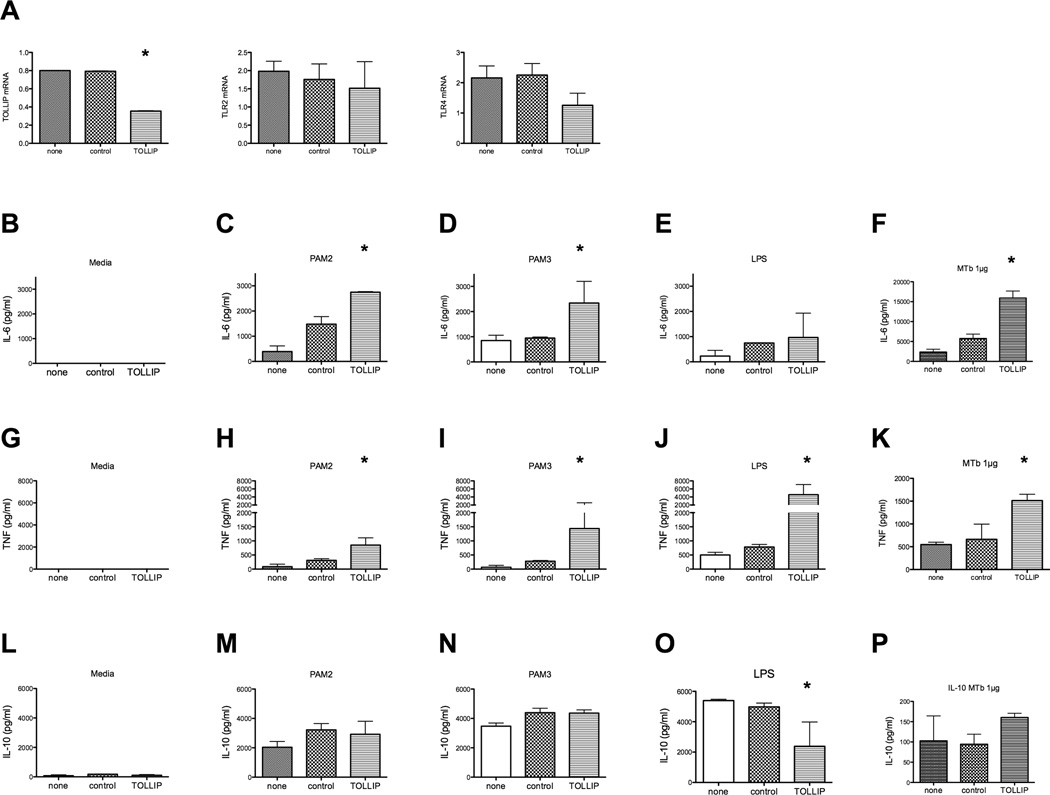
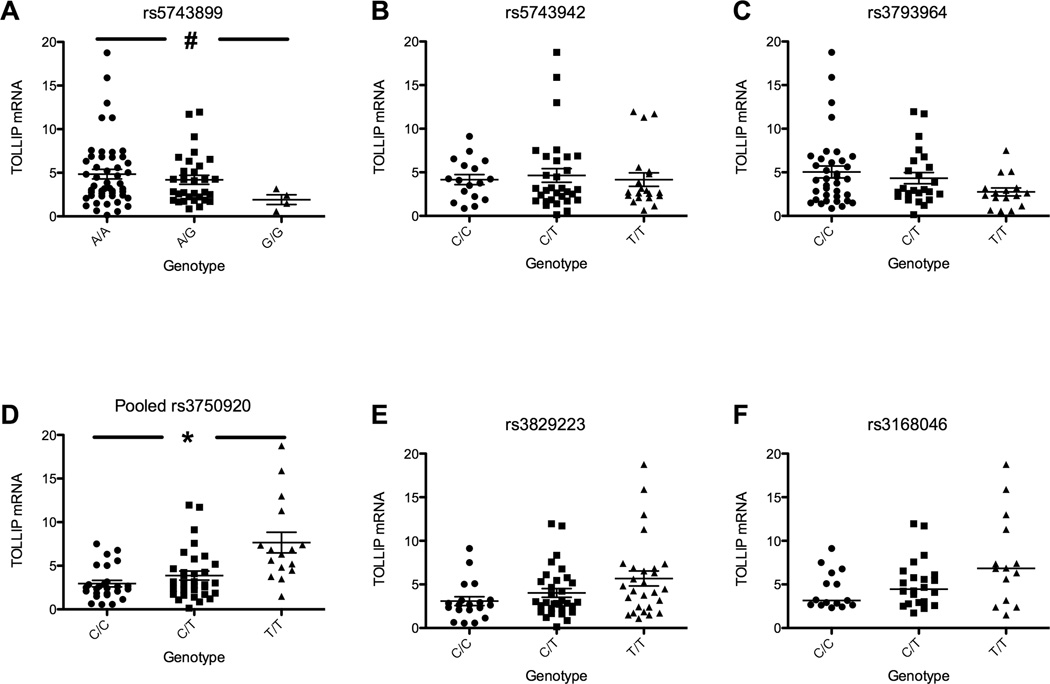
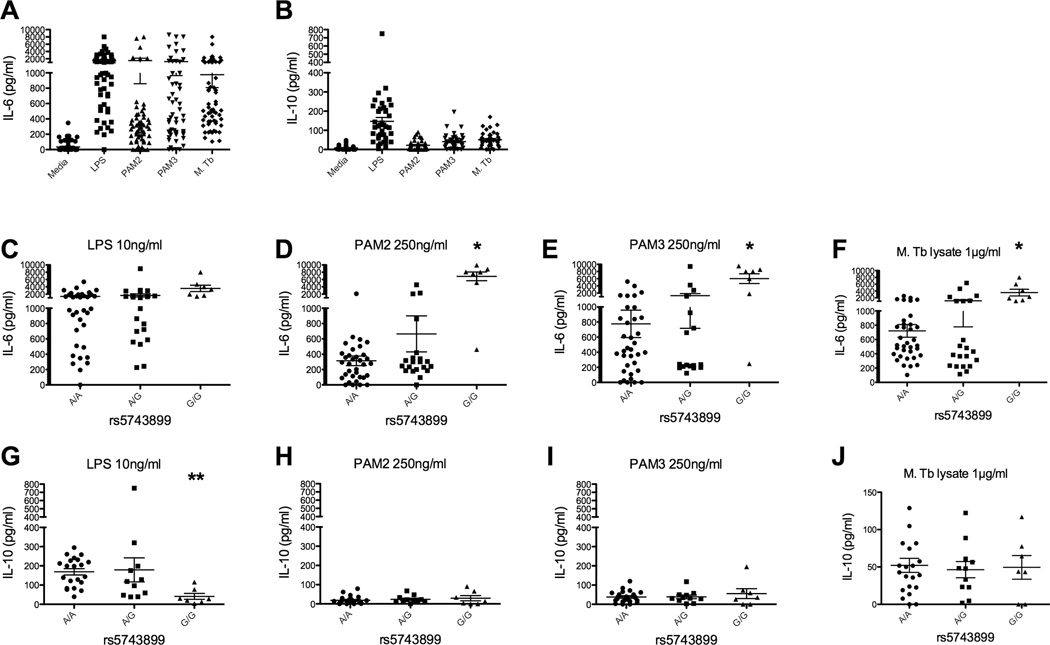
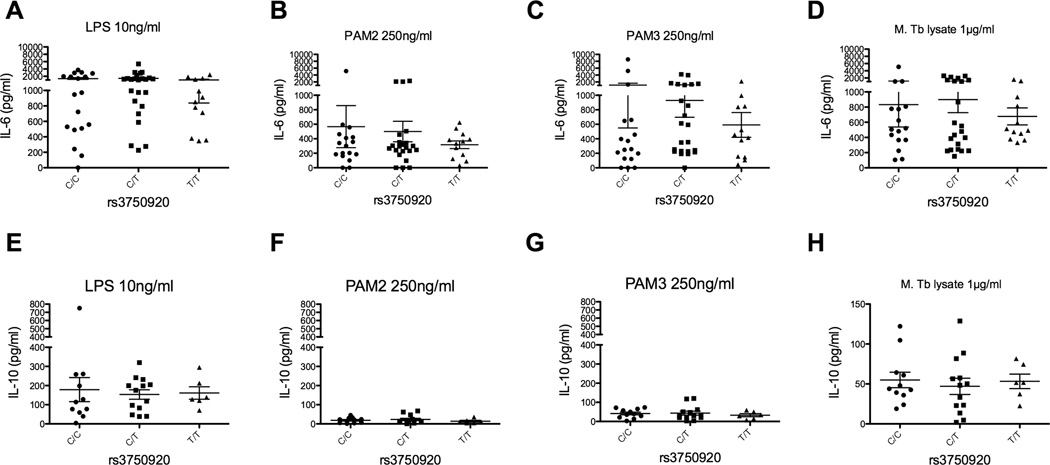
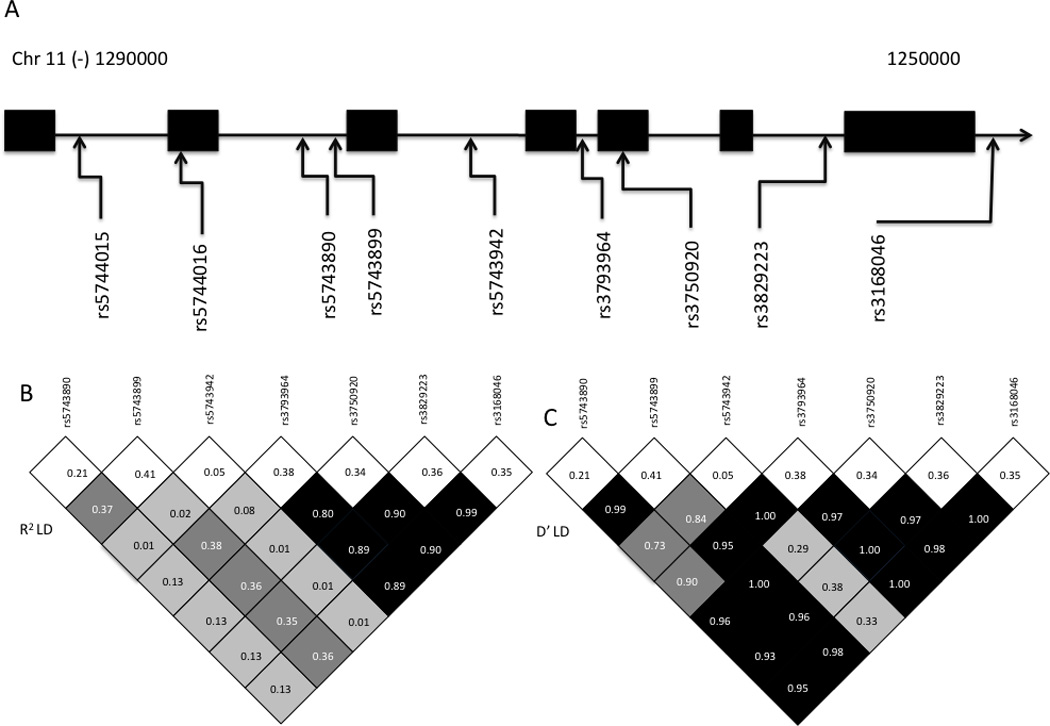
Tuberculosis, one of the leading causes of death worldwide, stimulates inflammatory responses with beneficial and pathologic consequences. The regulation and nature of an optimal inflammatory response to Mycobacterium tuberculosis remains poorly understood in humans. Insight into mechanisms of negative regulation of the TLR-mediated innate immune response to M. tuberculosis could provide significant breakthroughs in the design of new vaccines and drugs. We hypothesized that TOLLIP and its common variants negatively regulate TLR signaling in human monocytes and are associated with susceptibility to tuberculosis. Using short hairpin RNA knockdown of TOLLIP in peripheral blood human monocytes, we found that TOLLIP suppresses TNF and IL-6 production after stimulation with TLR2 and TLR4 ligands. In contrast, secretion of the anti-inflammatory cytokine IL-10 was induced by TOLLIP. We also discovered two common polymorphisms that are associated with either decreased levels of mRNA expression (rs3750920) or increased IL-6 production (rs5743899) in a sample of 56 healthy volunteers. Furthermore, in a case-population study in Vietnam with 760 cord blood samples and 671 TB case patients, we found that SNPs rs3750920 and rs5743899 were associated with susceptibility to tuberculosis (p = 7.03 × 10(-16) and 6.97 × 10(-7), respectively). These data demonstrate that TOLLIP has an anti-inflammatory effect on TLR signaling in humans and that TOLLIP deficiency is associated with an increased risk of tuberculosis. To our knowledge, these data also show the first associations of TOLLIP polymorphisms with any infectious disease. These data also implicate an unexpected mechanism of negative regulation of TLR signaling in human tuberculosis pathogenesis.
Figures
References
-
- WHO. Geneva: World Health Organization; 2011. Global tuberculosis control - surveillance, planning, financing.
-
- Dye C, Scheele S, Dolin P, Pathania V, Raviglione MC. Consensus statement. Global burden of tuberculosis: estimated incidence, prevalence, and mortality by country. WHO Global Surveillance and Monitoring Project. JAMA. 1999;282:677–686. - PubMed
-
- Medzhitov R. Toll-like receptors and innate immunity. Nat Rev Immunol. 2001;1:135–145. - PubMed
-
- Thuong NTT, Dunstan SJ, Chau TTH, Thorsson V, Simmons CP, Quyen NTH, Thwaites GE, Thi Ngoc Lan N, Hibberd M, Teo YY, Seielstad M, Aderem A, Farrar JJ, Hawn TR. Identification of tuberculosis susceptibility genes with human macrophage gene expression profiles. PLoS Pathog. 2008;4 e1000229. - PMC - PubMed
-
- Thoma-Uszynski S, Stenger S, Takeuchi O, Ochoa MT, Engele M, Sieling PA, Barnes PF, Rollinghoff M, Bolcskei PL, Wagner M, Akira S, Norgard MV, Belisle JT, Godowski PJ, Bloom BR, Modlin RL. Induction of direct antimicrobial activity through mammalian toll-like receptors. Science. 2001;291:1544–1547. - PubMed
Publication types
MeSH terms
Substances
Grants and funding
LinkOut - more resources
Full Text Sources
Other Literature Sources
Medical
