


Evaluation of the effects of acupuncture on blood flow in humans with ultrasound color Doppler imaging
- PMID: 22778772
- PMCID: PMC3388479
- DOI: 10.1155/2012/513638
Evaluation of the effects of acupuncture on blood flow in humans with ultrasound color Doppler imaging
Abstract
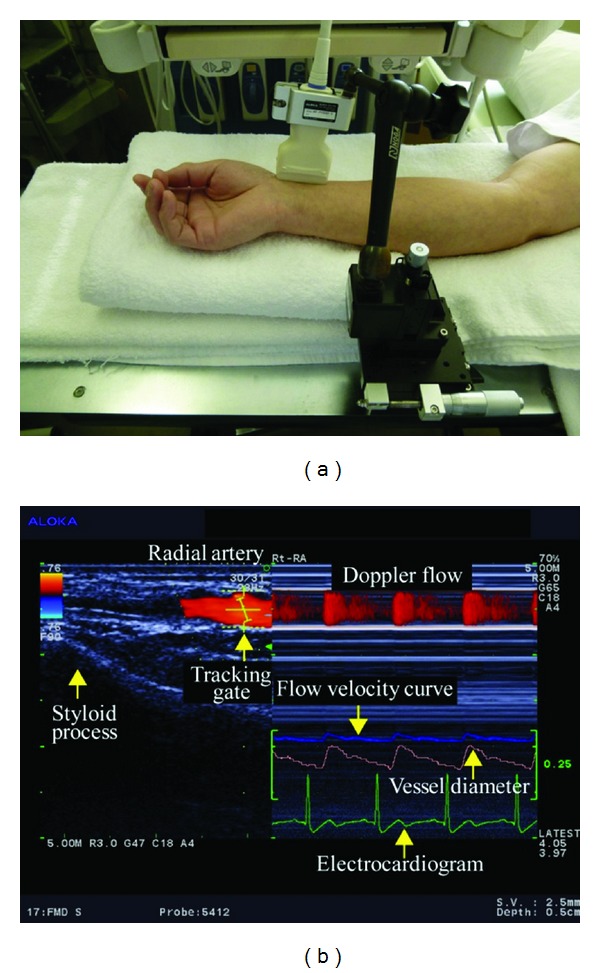
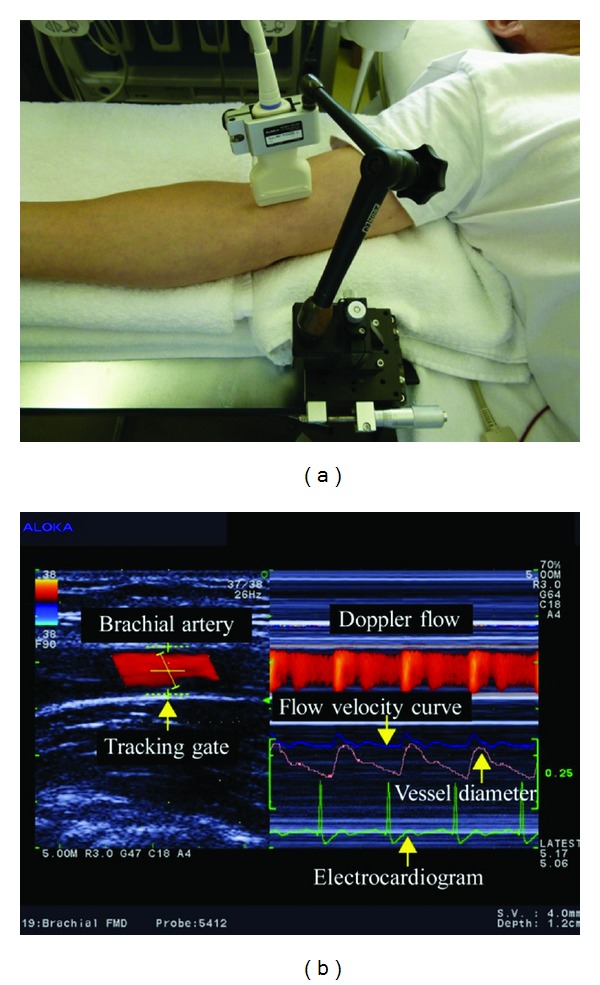
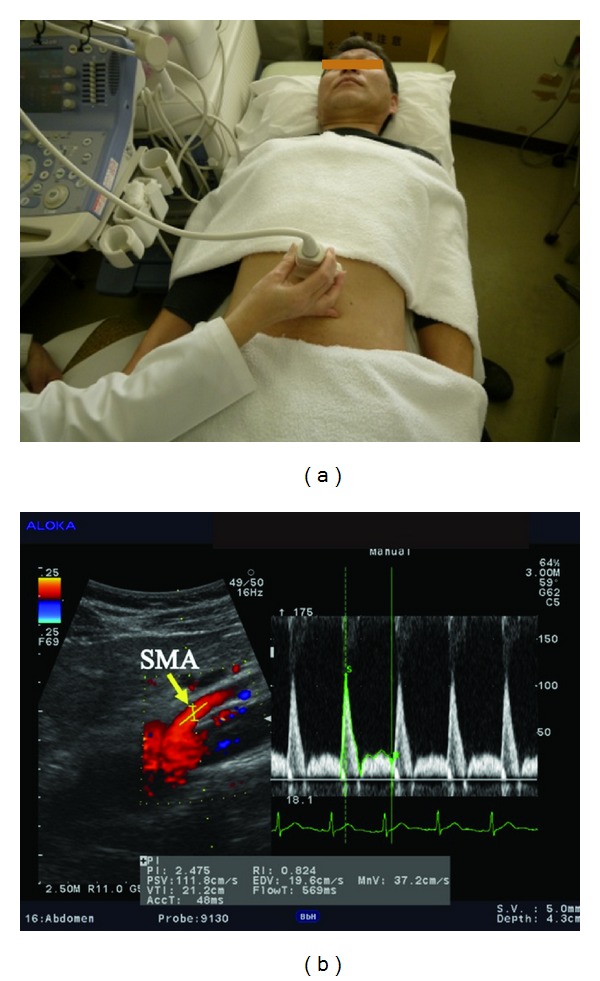
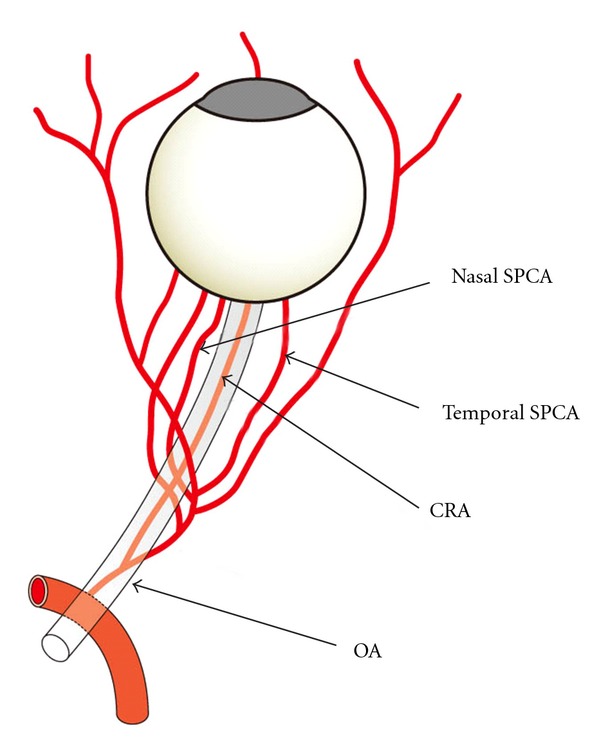
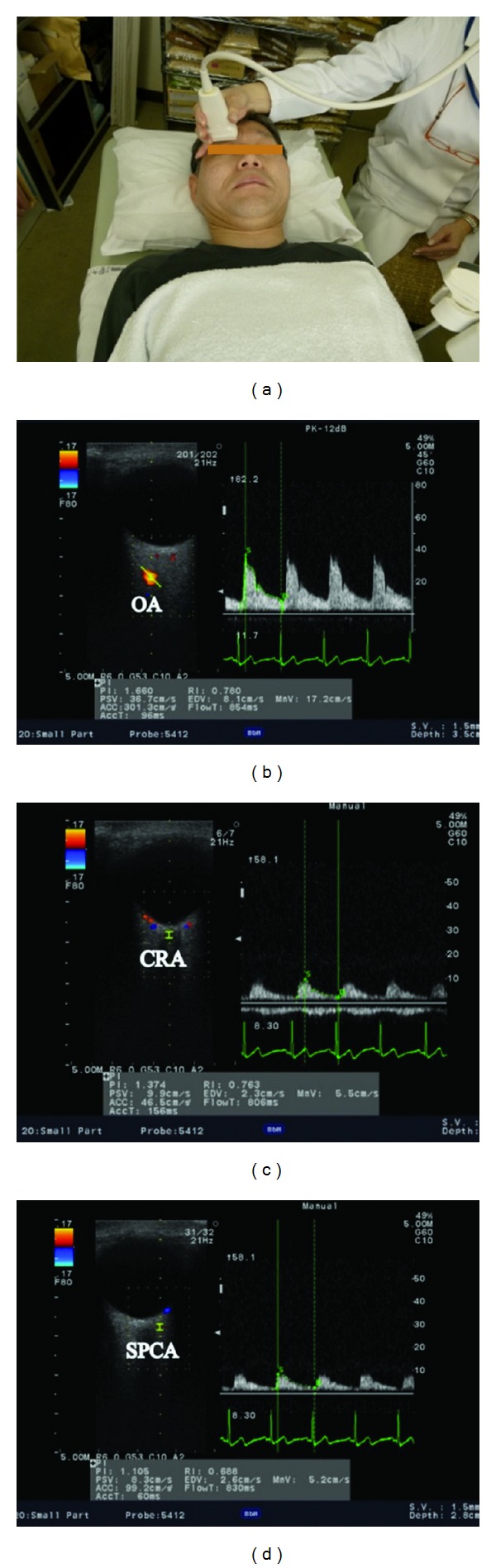
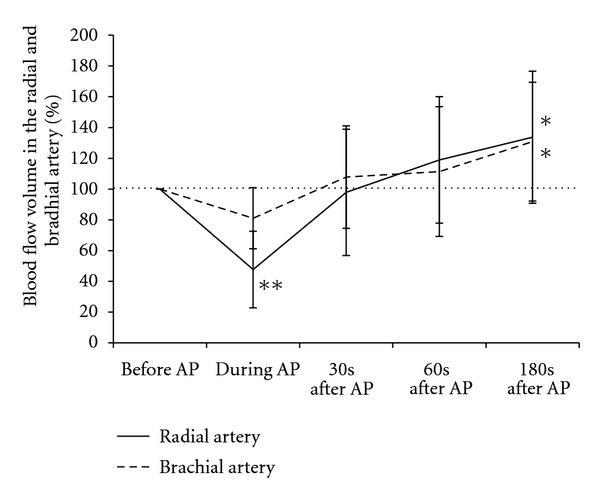
Color Doppler imaging (CDI) can be used to noninvasively create images of human blood vessels and quantitatively evaluate blood flow in real-time. The purpose of this study was to assess the effects of acupuncture on the blood flow of the peripheral, mesenteric, and retrobulbar arteries by CDI. Statistical significance was defined as P values less than 0.05. Blood flow in the radial and brachial arteries was significantly lower during needle stimulation on LR3 than before in healthy volunteers, but was significantly higher after needle stimulation than before. LR3 stimulation also resulted in a significant decrease in the vascular resistance of the short posterior ciliary artery and no significant change of blood flow through the superior mesenteric artery (SMA) during acupuncture. In contrast, ST36 stimulation resulted in a significant increase in blood flow through the SMA and no significant change in the vascular resistance of the retrobulbar arteries. Additionally, acupuncture at previously determined acupoints in patients with open-angle glaucoma led to a significant reduction in the vascular resistance of the central retinal artery and short posterior ciliary artery. Our results suggest that acupuncture can affect blood flow of the peripheral, mesenteric, and retrobulbar arteries, and CDI can be useful to evaluate hemodynamic changes by acupuncture.
Figures
Comment in
-
Exploring the physiological and physical effects of acupuncture using ultrasound.Acupunct Med. 2017 Jun;35(3):231-233. doi: 10.1136/acupmed-2016-011274. Epub 2016 Dec 13. Acupunct Med. 2017. PMID: 27965199 No abstract available.
References
-
- Takayama S, Seki T, Watanabe M, et al. Brief effect of acupuncture on the peripheral arterial system of the upper limb and systemic hemodynamics in humans. Journal of Alternative and Complementary Medicine. 2010;16(7):707–713. - PubMed
-
- Takayama S, Seki T, Sugita N, et al. Radial artery hemodynamic changes related to acupuncture. Explore. 2010;6(2):100–105. - PubMed
-
- Takayama S, Seki T, Watanabe M, et al. The effect of warming of the abdomen and of herbal medicine on superior mesenteric artery blood flow—a pilot study. Forschende Komplementarmedizin. 2010;17(4):195–201. - PubMed
LinkOut - more resources
Full Text Sources
