The lectin pathway of complement activation is a critical component of the innate immune response to pneumococcal infection
- PMID: 22792067
- PMCID: PMC3390405
- DOI: 10.1371/journal.ppat.1002793
The lectin pathway of complement activation is a critical component of the innate immune response to pneumococcal infection
Abstract
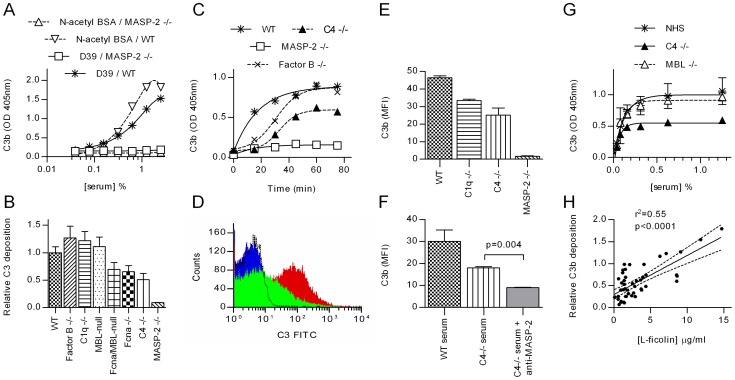
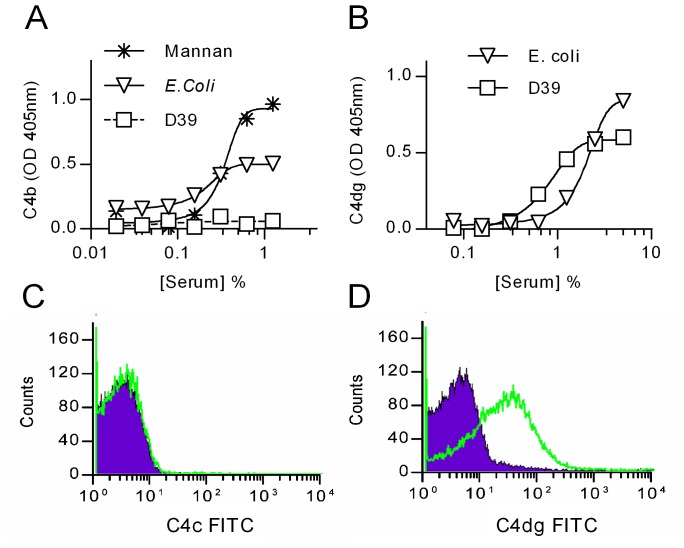
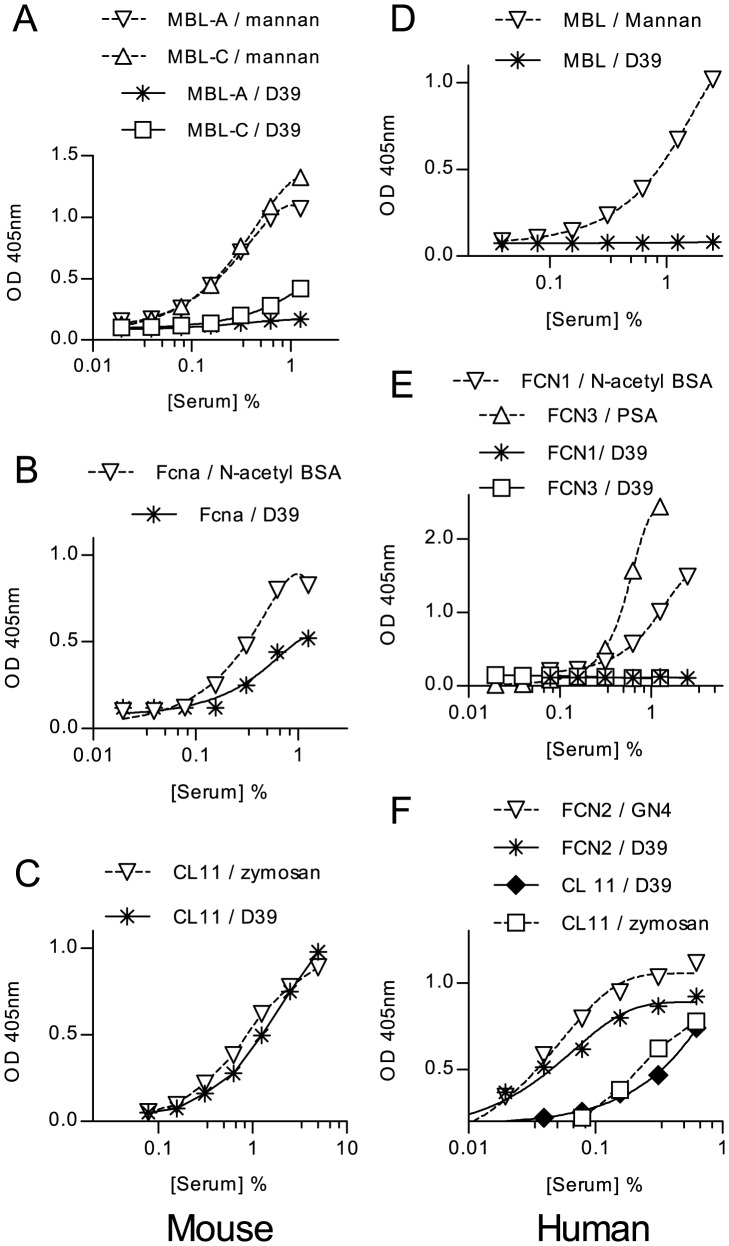
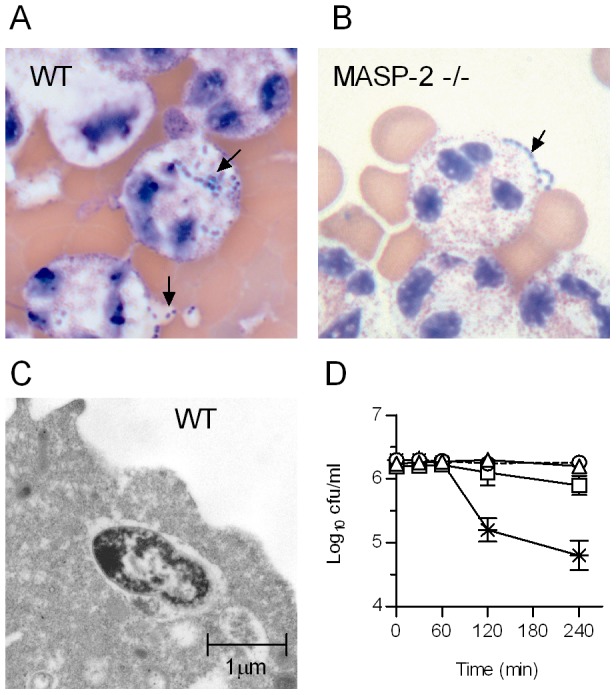
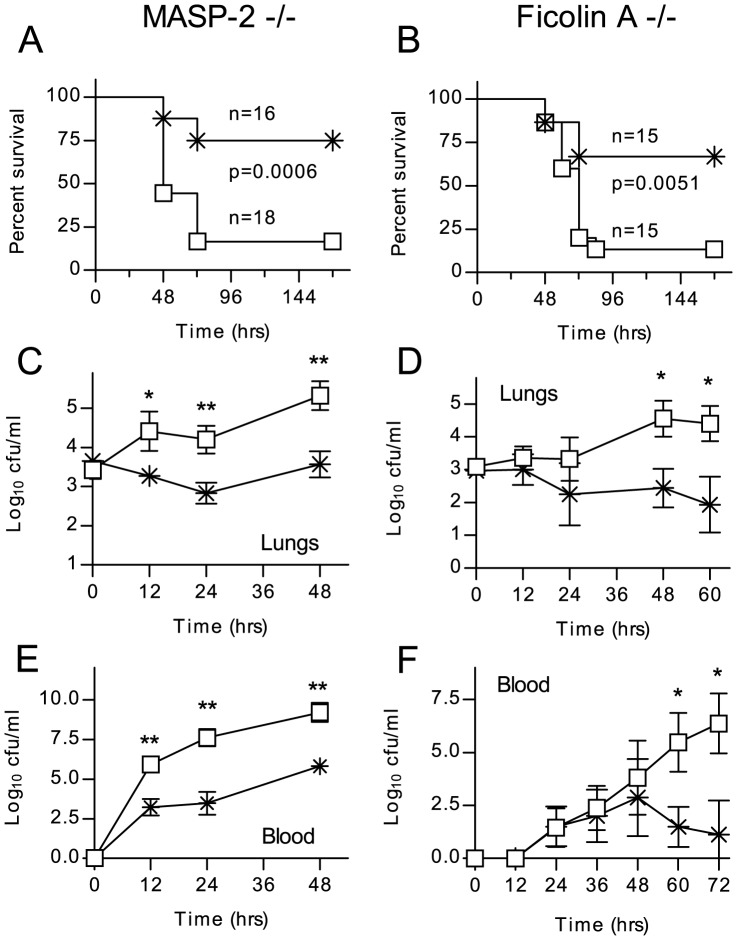
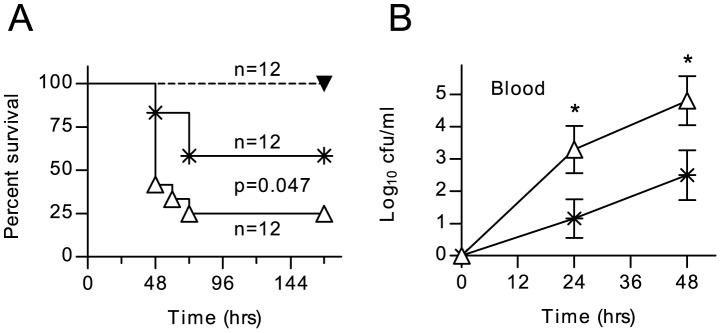
The complement system plays a key role in host defense against pneumococcal infection. Three different pathways, the classical, alternative and lectin pathways, mediate complement activation. While there is limited information available on the roles of the classical and the alternative activation pathways of complement in fighting streptococcal infection, little is known about the role of the lectin pathway, mainly due to the lack of appropriate experimental models of lectin pathway deficiency. We have recently established a mouse strain deficient of the lectin pathway effector enzyme mannan-binding lectin associated serine protease-2 (MASP-2) and shown that this mouse strain is unable to form the lectin pathway specific C3 and C5 convertases. Here we report that MASP-2 deficient mice (which can still activate complement via the classical pathway and the alternative pathway) are highly susceptible to pneumococcal infection and fail to opsonize Streptococcus pneumoniae in the none-immune host. This defect in complement opsonisation severely compromises pathogen clearance in the lectin pathway deficient host. Using sera from mice and humans with defined complement deficiencies, we demonstrate that mouse ficolin A, human L-ficolin, and collectin 11 in both species, but not mannan-binding lectin (MBL), are the pattern recognition molecules that drive lectin pathway activation on the surface of S. pneumoniae. We further show that pneumococcal opsonisation via the lectin pathway can proceed in the absence of C4. This study corroborates the essential function of MASP-2 in the lectin pathway and highlights the importance of MBL-independent lectin pathway activation in the host defense against pneumococci.
Conflict of interest statement
I have read the journal's policy and have the following conflicts: Thomas Dudler is an employee of Omeros Inc., which aims to market anti-MASP-2 monoclonal antibodies for therapeutic use. Thomas Dudler, Wilhelm J. Schwaeble, Cordula M. Stover and Teizo Fujita are named inventors on patents held by the University of Leicester, protecting the I.P. behind the therapeutic application of MASP-2 specific inhibitors for treating lectin pathway mediated inflammatory pathologies. This does not alter our adherence to all PLoS Pathogens policies on sharing data and materials.
Figures
References
-
- Miller E, Waight P, Efstratiou A, Brisson M, Johnson A, et al. Epidemiology of invasive and other pneumococcal disease in children in england and wales 1996–1998. Acta Paediatr. 2000;Suppl 89:11–16. - PubMed
-
- Kyaw MH, Christie P, Clarke SC, Mooney JD, Ahmed S, et al. Invasive pneumococcal disease in scotland, 1999–2001: Use of record linkage to explore associations between patients and disease in relation to future vaccination policy. Clin Infect Dis. 2003;37:1283–1291. - PubMed
-
- Bruyn GA, Zegers BJ, van Furth R. Mechanisms of host defense against infection with streptococcus pneumoniae. Clin Infect Dis. 1992;14:251–262. - PubMed
-
- Schwaeble W, Dahl MR, Thiel S, Stover C, Jensenius JC. The mannan-binding lectin-associated serine proteases (MASPs) and MAp19: Four components of the lectin pathway activation complex encoded by two genes. Immunobiology. 2002;205:455–466. - PubMed
-
- Fujita T. Evolution of the lectin-complement pathway and its role in innate immunity. Nat Rev Immunol. 2002;2:346–353. - PubMed
Publication types
MeSH terms
Substances
Grants and funding
LinkOut - more resources
Full Text Sources
Other Literature Sources
Medical
Molecular Biology Databases
Miscellaneous