


Perinatal maternal administration of Lactobacillus paracasei NCC 2461 prevents allergic inflammation in a mouse model of birch pollen allergy
- PMID: 22792257
- PMCID: PMC3391241
- DOI: 10.1371/journal.pone.0040271
Perinatal maternal administration of Lactobacillus paracasei NCC 2461 prevents allergic inflammation in a mouse model of birch pollen allergy
Abstract
Background: The hygiene hypothesis implies that microbial agents including probiotic bacteria may modulate foetal/neonatal immune programming and hence offer effective strategies for primary allergy prevention; however their mechanisms of action are poorly understood. We investigated whether oral administration of Lactobacillus paracasei NCC 2461 to mothers during gestation/lactation can protect against airway inflammation in offspring in a mouse model of birch pollen allergy, and examined the immune mechanisms involved.
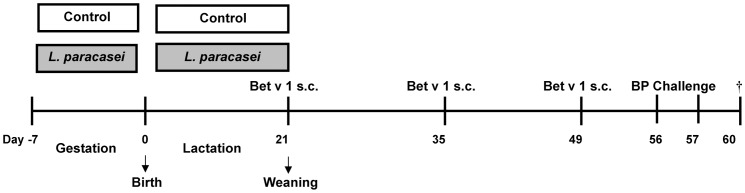
Methods: BALB/c mice were treated daily with L. paracasei in drinking water or drinking water alone in the last week of gestation and during lactation. Their offspring were sensitized with recombinant Bet v 1, followed by aerosol challenge with birch pollen extract.
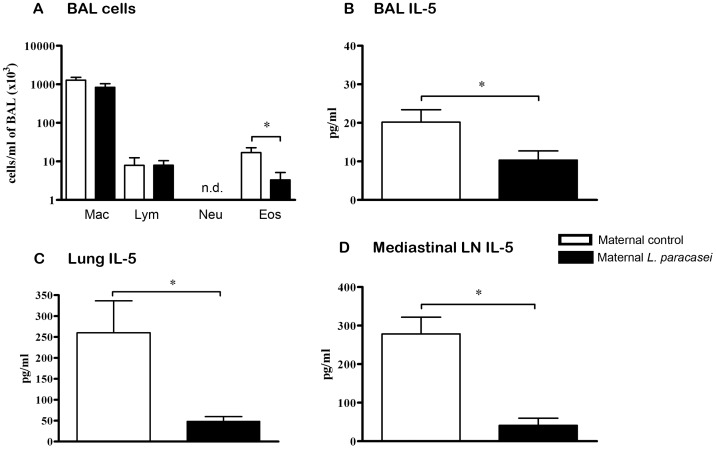
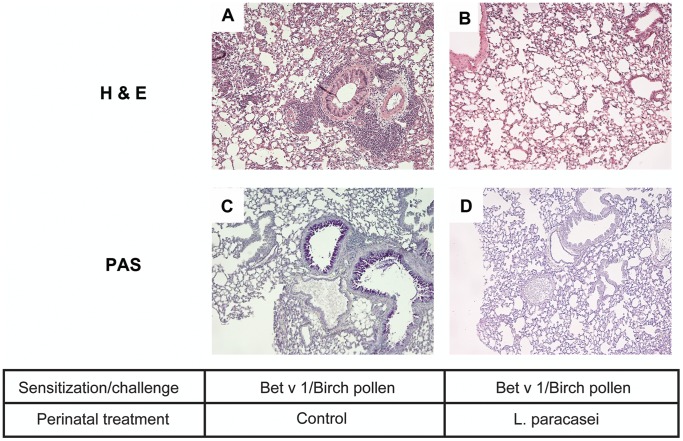
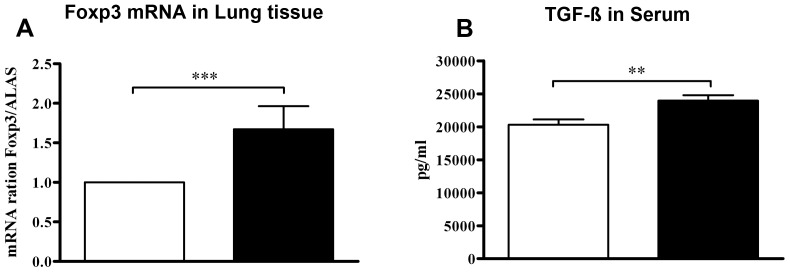
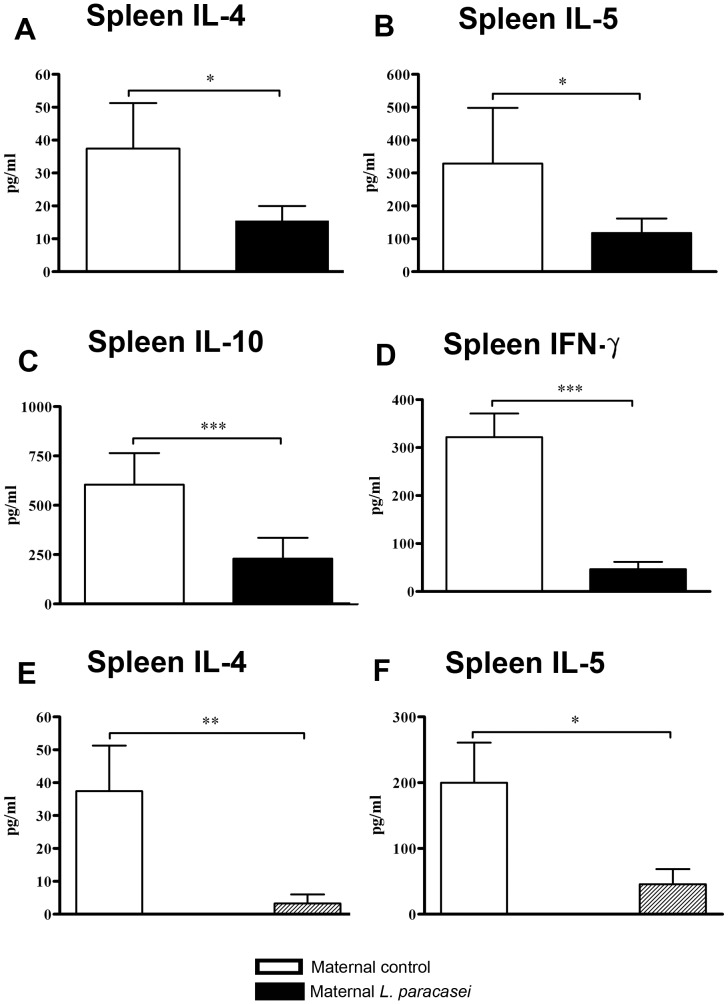
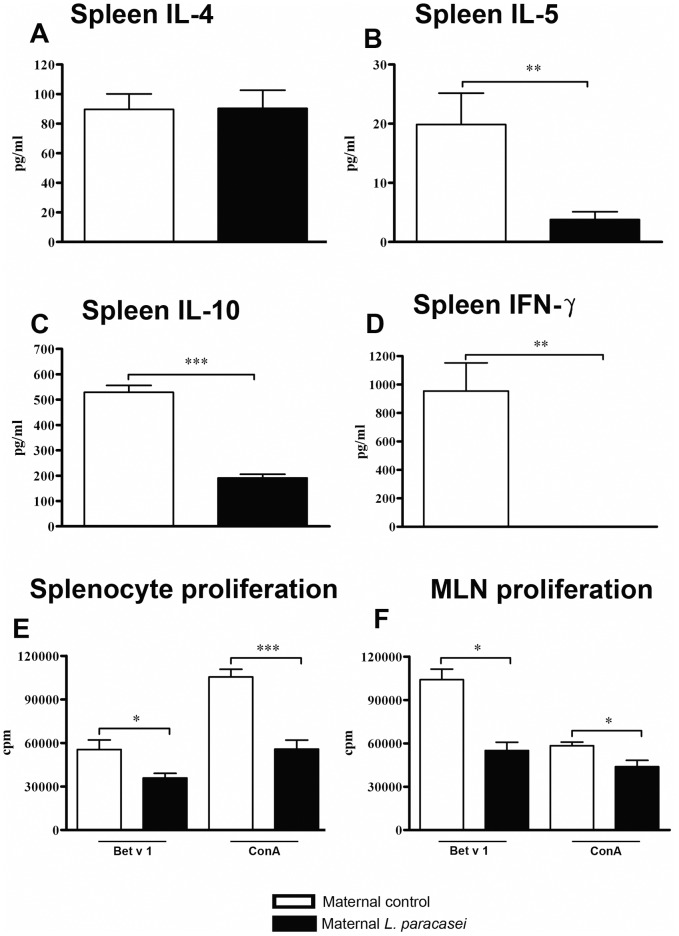
Results: Maternal exposure to L. paracasei prevented the development of airway inflammation in offspring, as demonstrated by attenuation of eosinophil influx in the lungs; reduction of IL-5 levels in bronchoalveolar lavage, and in lung and mediastinal lymph node cell cultures; and reduced peribronchial inflammatory infiltrate and mucus hypersecretion. While allergen-specific IgE and IgG antibody levels remained unchanged by the treatment, IL-4 and IL-5 production in spleen cell cultures were significantly reduced upon allergen stimulation in offspring of L. paracasei treated mice. Offspring of L. paracasei supplemented mothers had significantly reduced Bet v 1-specific as well as Concanavalin A-induced responses in spleen and mesenteric lymph node cell cultures, suggesting the modulation of both antigen-specific and mitogen-induced immune responses in offspring. These effects were associated with increased Foxp3 mRNA expression in the lungs and increased TGF-beta in serum.
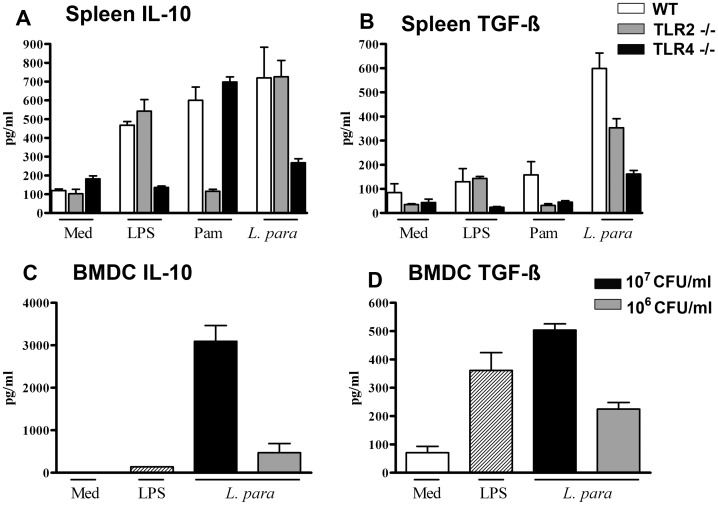
Conclusion: Our data show that in a mouse model of birch pollen allergy, perinatal administration of L. paracasei NCC 2461 to pregnant/lactating mothers protects against the development of airway inflammation in offspring by activating regulatory pathways, likely through TLR2/4 signalling.
Conflict of interest statement
Figures
References
-
- Moffatt MF, Kabesch M, Liang L, Dixon AL, Strachan D, et al. Genetic variants regulating ORMDL3 expression contribute to the risk of childhood asthma. Nature. 2007;448:470–473. - PubMed
-
- Vercelli D. Discovering susceptibility genes for asthma and allergy. Nat Rev Immunol. 2008;8:169–182. - PubMed
-
- Savino F, Cresi F, Pautasso S, Palumeri E, Tullio V, et al. Intestinal microflora in breastfed colicky and non-colicky infants. Acta Paediatr. 2004;93:825–829. - PubMed
-
- Savino F, Roana J, Mandras N, Tarasco V, Locatelli E, et al. Faecal microbiota in breast-fed infants after antibiotic therapy. Acta Paediatr. 2011;100:75–78. - PubMed
-
- Bjorksten B, Naaber P, Sepp E, Mikelsaar M. The intestinal microflora in allergic Estonian and Swedish 2-year-old children. Clin Exp Allergy. 1999;29:342–346. - PubMed
Publication types
MeSH terms
Substances
LinkOut - more resources
Full Text Sources
Other Literature Sources
Medical
