Crosstalk between metabolic and neuropsychiatric disorders
- PMID: 22802875
- PMCID: PMC3388805
- DOI: 10.3410/B4-14
Crosstalk between metabolic and neuropsychiatric disorders
Abstract
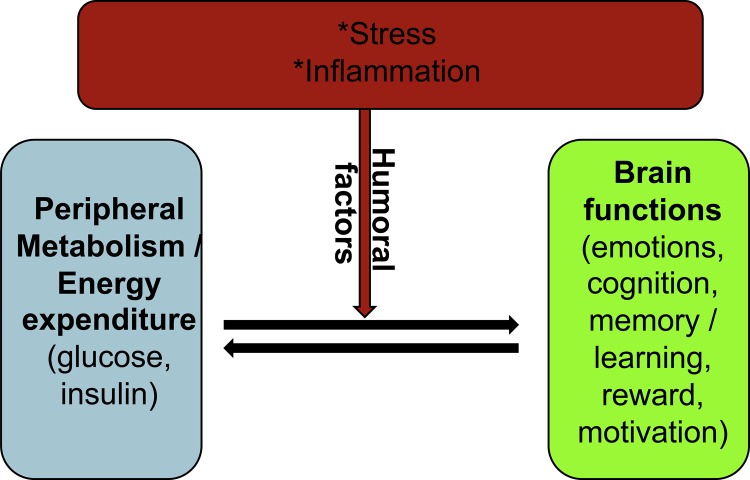
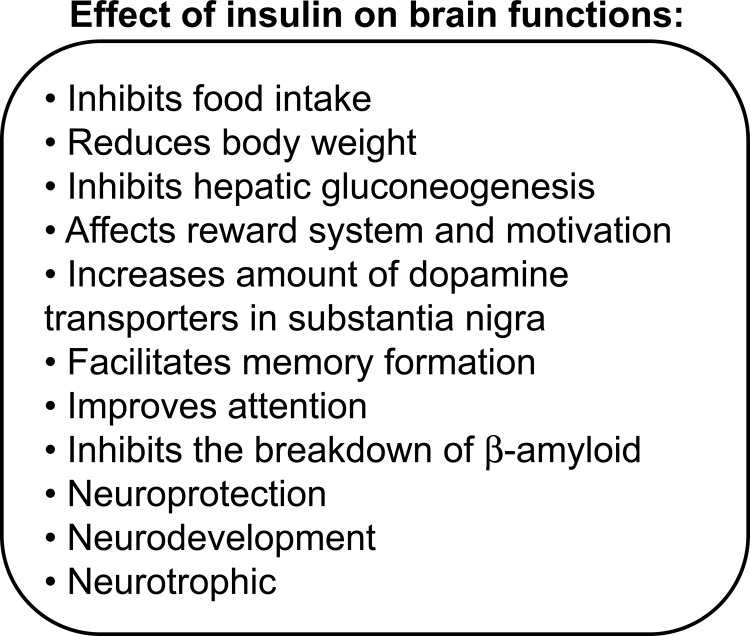
Evidence supporting the concurrence of metabolic disturbances (e.g. insulin resistance, diabetes and obesity) and neuropsychiatric disorders has been demonstrated in both human and animal studies, suggesting the possibility that they have shared pathophysiological mechanisms. During the past decade, our understanding for the role of insulin in both normal and abnormal central nervous system (CNS) processes has become increasingly refined. Evidence indicates that insulin is a pleiotropic peptide, critical to neurotrophism, neuroplasticity, and neuromodulation. Moreover, the role of insulin underscores its importance in the development of several neuropsychiatric disorders, including, but not limited to, mechanisms involved in the pathogenesis and progression towards diabetes, obesity, and neurodegenerative disorders, such as Alzheimer's disease. This review focuses on the insulin-mediated effects on normal and abnormal brain function and discusses why targeting insulin-related pathways in the brain may emerge as a new approach for refining treatment of neurological and psychiatric disorders.
Figures
References
-
- Willis T. Pharmaceuticerationalissivediatriba de medicamentorumoperationibus in humanocorpore. E TheatroSheldoniano M.DC.LXXV: Oxford; 1675. [ISBN: 978-1240416721]
-
- Menninger W. Psychological factors in etiology of diabetes. J NervMent Dis. 1935;81:1–13. doi: 10.1097/00005053-193501000-00001. - DOI
-
- Sakel M. The methodical use of hypoglycemia in the treatment of psychoses. 1937. Am J Psychiatry. 1994;151:240–7. - PubMed
LinkOut - more resources
Full Text Sources
Miscellaneous