Review
. 2012 Sep;7(9):831-47.
doi: 10.1517/17460441.2012.708335. Epub 2012 Jul 19.

Targeting iron assimilation to develop new antibacterials

Affiliations
Review

Targeting iron assimilation to develop new antibacterials

Timothy L Foley et al. Expert Opin Drug Discov. 2012 Sep.

Abstract

Introduction: Since the first application of antibiotics to treat bacterial infections, the development and spread of resistance has been a persistent threat. An ever evolving pipeline of next-generation therapeutics is required for modern medicine to remain one step ahead of pathogens.

Areas covered: This review describes recent efforts to develop drugs that interrupt the assimilation of iron by bacteria: a process that is vital to cellular homeostasis and is not currently targeted by antibiotics used in the clinic. This review also covers the mechanisms by which bacteria acquire iron for their environment, and details efforts to intervene in these processes, using small molecule inhibitors that target key steps in these pathways, with a special emphasis on recent advances published during the 2010 - 2012 period.

Expert opinion: For decades, the routes used by bacteria to assimilate iron from host and environmental settings have been the subject of intense study. While numerous investigations have identified inhibitors of these pathways, many have stopped short of translating the in vitro results to in vivo proof of concept experiments. The extension of preliminary findings in this manner will significantly increase the impact of the field.


Figures
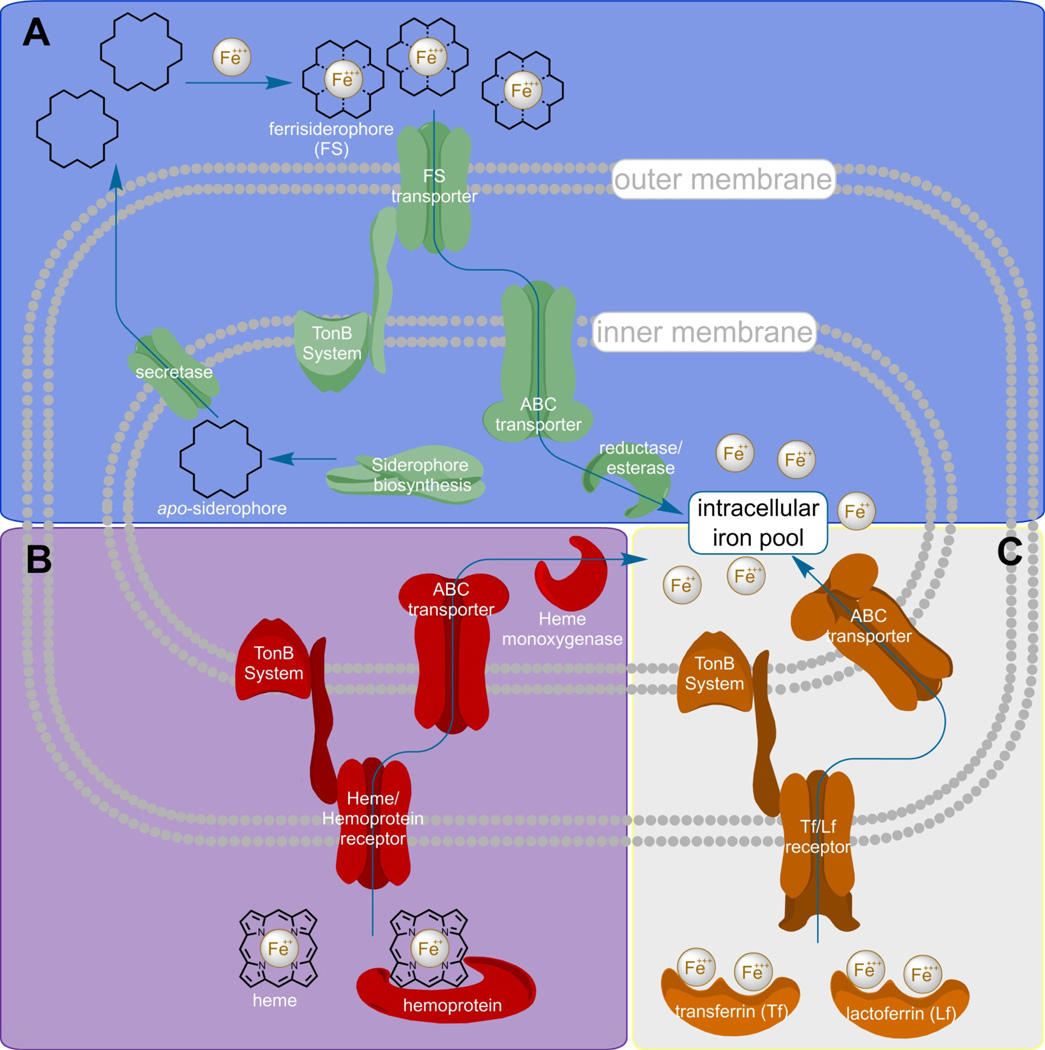
Figure 1
Figure 1. Gram negative bacterium pathways to iron acquisition during infection
The three general pathways used by Gram negative bacteria to procure iron from the host are diagrammed. A) After production of apo-siderophores by Siderophore biosynthesis machinery, the chelators are transported to the periplasmic space by a specific secretase. After being pumped into the extracellular environment, apo-siderophores strip iron from host proteins, and shuttle it back to the bacterium. Ferrisiderophore transporters bind the ferrisiderophore and translocate it to the periplasm through interaction with the TonB system. Ferrisiderophores are then shuttled to an ABC-transporter that pumps the Fe(III)-loaded molecule into the cytoplasm. Once inside the cell, the iron complex is dissociated by reductases/esterases to liberate the iron atom where it joins the intracellular iron pool. B) Heme and hemoprotein assimilation system initiate by the binding of heme or hemoproteins to specific receptors. In either case, only heme is translocated across the outer membrane though interaction of the receptors with the TonB energizing system. Heme is then trafficked to an ABC transporter embedded in the inner membrane where it is actively pumped into the cell. Finally, heme monooxygenase utilizes the chemistry of the ferrous iron center to perform a ring-opening oxidation of the porphyrin ring that releases iron to the intracellular iron pool. C) Accessing iron from host sequestration systems begins by binding of transferrin or lactoferrin to receptors on the outer membrane that are capable of removing Fe(III) from the host protein. These receptors translocate iron atoms to the periplasm where they are shuttled to ABC-transporters that pump the ferric ion into the cytosol where it joins the intracellular pool.
Figure 2
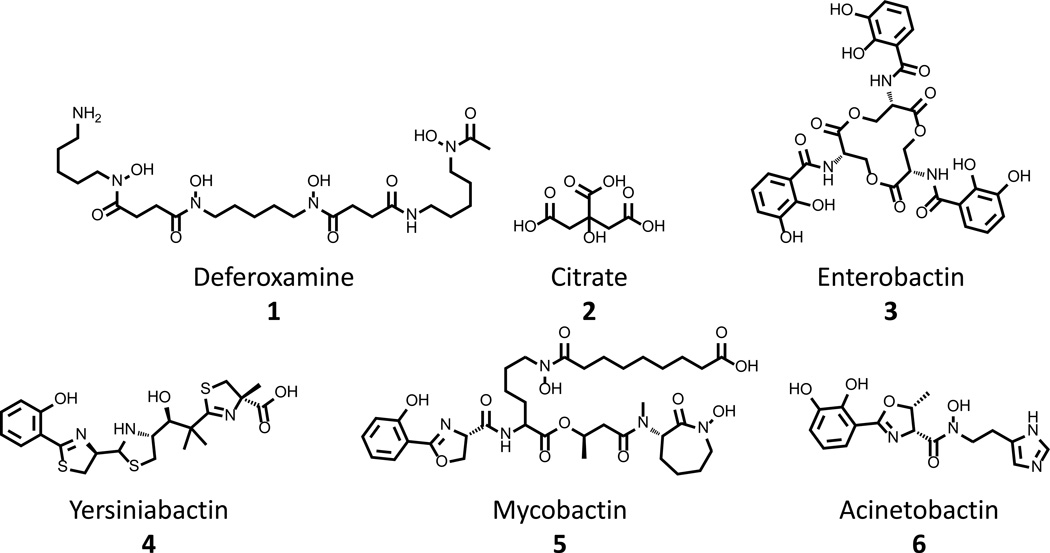
Figure 2. Select Representative structures of siderophores used by human pathogens
Deferoxamine 1, citrate 2, and enterobactin 3 are representative structures of the hydoxamate, α-hydroxyacid and catecholate classes of siderophores. Yersiniabactin 4, mycobactin 5, and acinetobactin 6 demonstrate the diverse structures of siderophores that mix functionalities from multiple classes in order to bind iron.
Figure 3
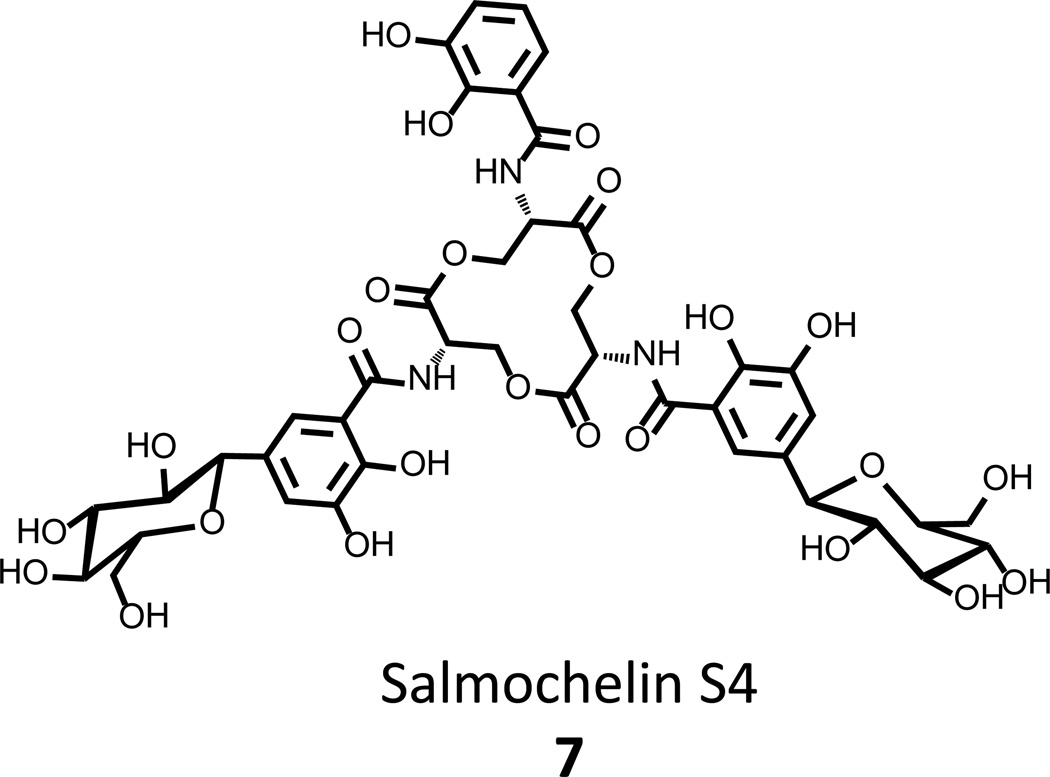
Figure 3. Salmochelin S4, a C-linked glucosyl derivative of enterobactin that evades the innate immune system
Figure 4
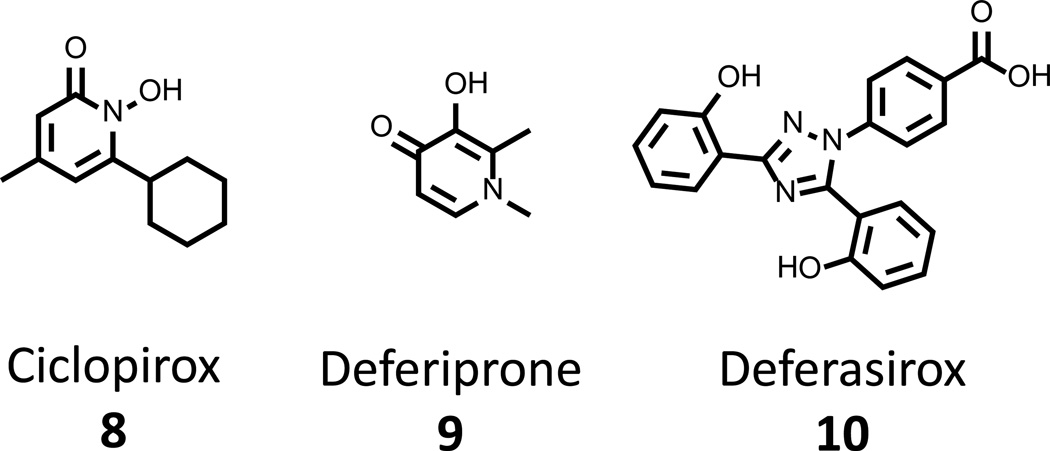
Figure 4. Chelation therapy agents with reported antibacterial activity
Ciclopirox 8, deferiprone 9 and deferasirox 10 are three FDA-approved chelation therapy agents that have been investigated for their antifungal activities.
Figure 5
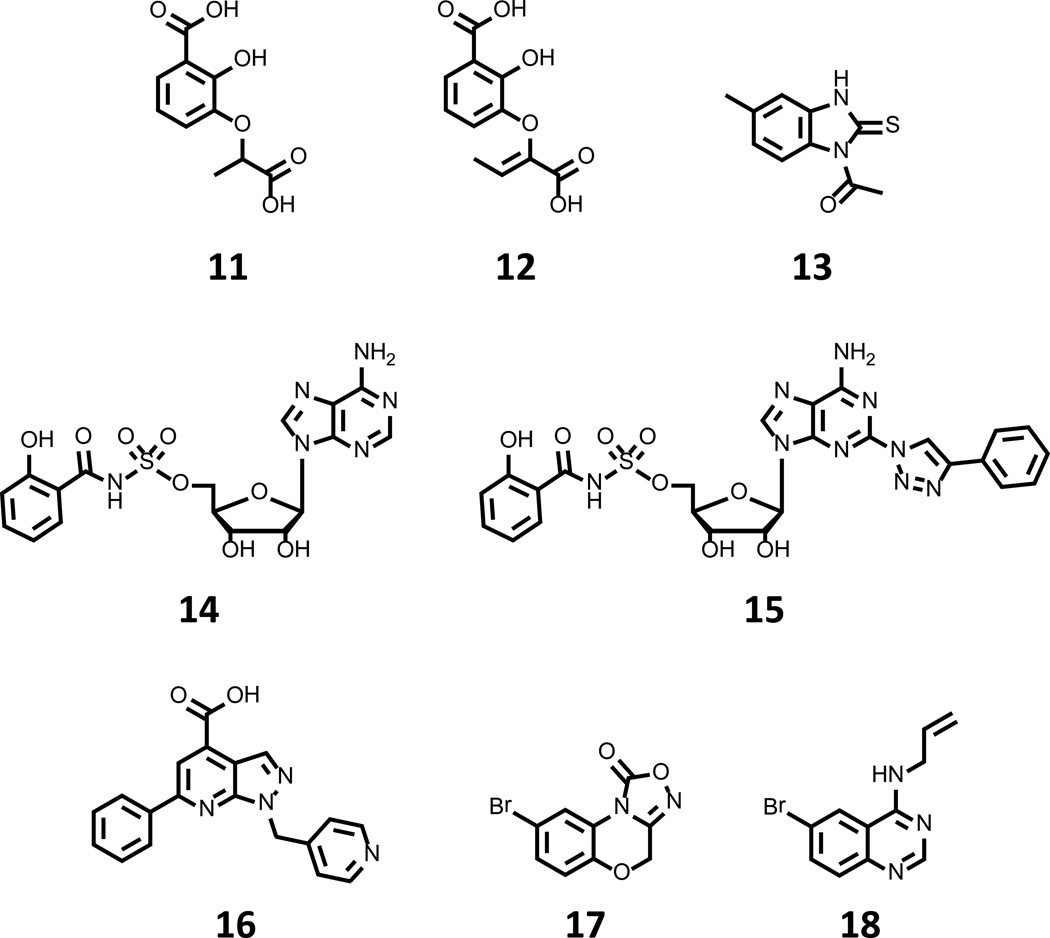
Figure 5. Compounds targeting siderophore biosynthetic pathways
Compounds 11–13 have been identified to possess modest in vitro inhibitory activity with salicylate synthase enzymes of Y. pestis and M. tuberculosis. 5’-O-[N-salicyl-O-sulfamoyl]-adenosine 14 is a transition state analog of the reaction intermediate generated by the salicyl adenyl transferase enzyme of siderophore biosynthetic pathways, and has been shown to possess modest anti-mycobacterial activity. 15 is an optimized lead originating from medicinal chemistry optimization of 14. High throughput screening against BasE identified 16 as a potent inhibitor of A. baumannii salicyl adenyl transferase. Compounds 17 and 18 are members of LOPAC1280 that inhibit P. aeruginosa PvdQ with modest affinity.
Figure 6
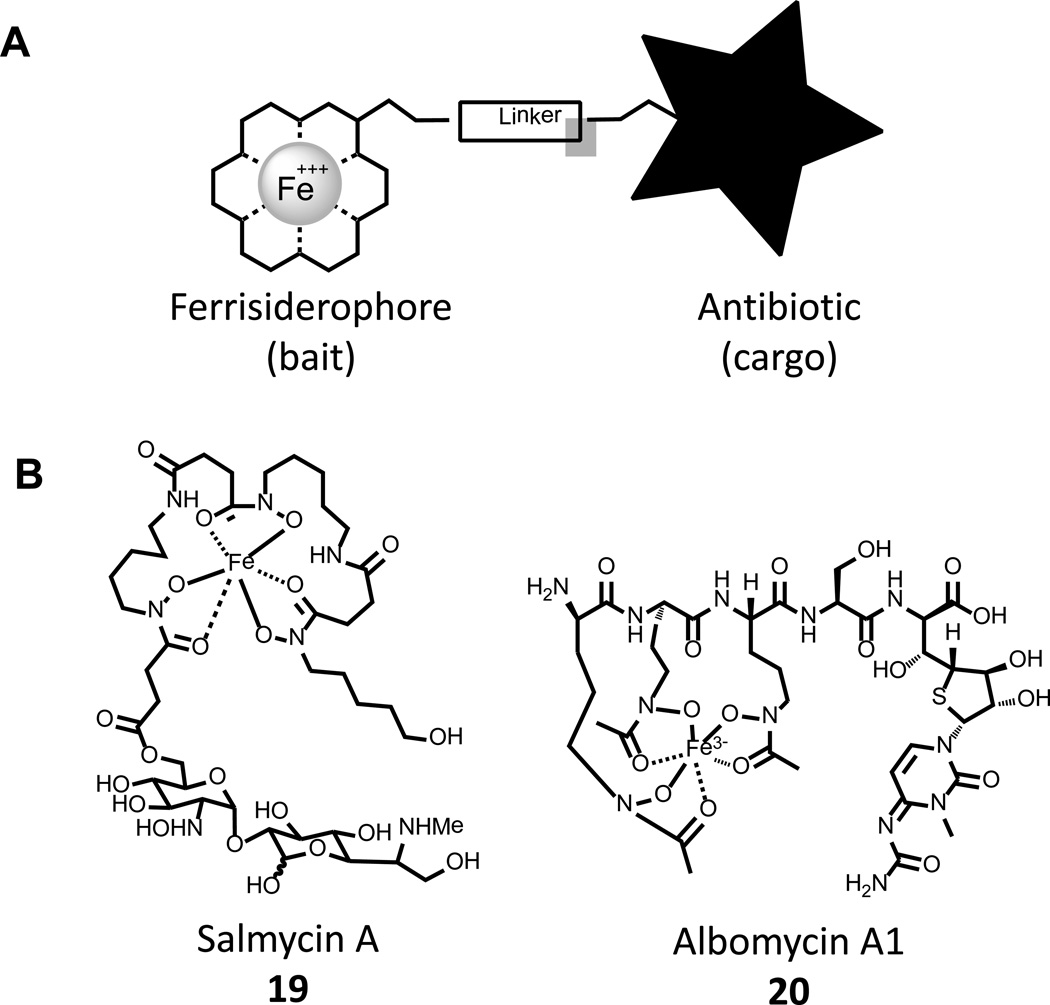
Figure 6. Sideromycins- “Trojan Horse” antibiotics
A) Sideromycins are bifunctional compounds that use a siderophore as bait to provide for the active transport of antibiotic molecules into bacterial cells. B) Natural sideromycins Salmycin A 19 and Albomycin A1 20.
Figure 7
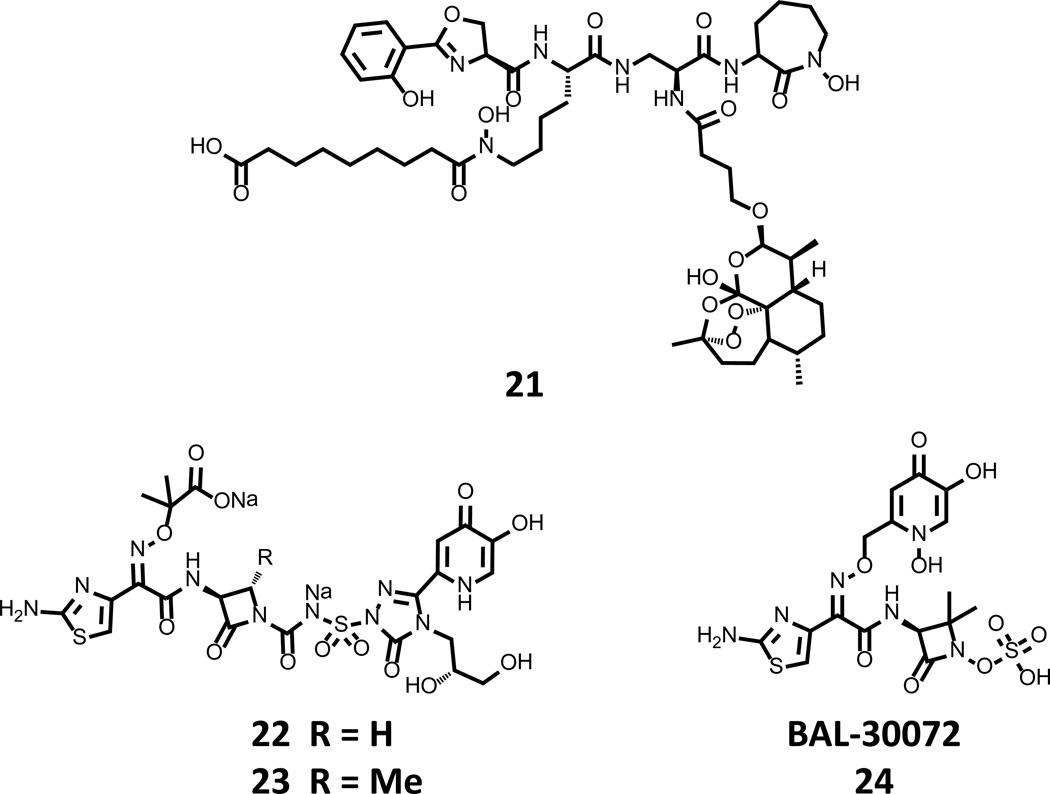
Figure 7. Recently disclosed synthetic siderophore-antibiotic conjugates
Compound 21, contains artemisinin functionality that is linked to mycobactin to afford for uptake by mycobacteria, as well as its proximal localization to a Fenton chemistry potentiator that activates the toxicity of the endoperoxide. Compounds 22 and 23 were recently described as leads by Pfizer, and are potent inhibitors of fluoroquin-resistant P. aeruginosa. BAL-30072 24 has successfully completed Phase I clinical trials and is cleared to start Phase II evaluations for effectiveness to treat multidrug resistant Gram negative infections.
Figure 8
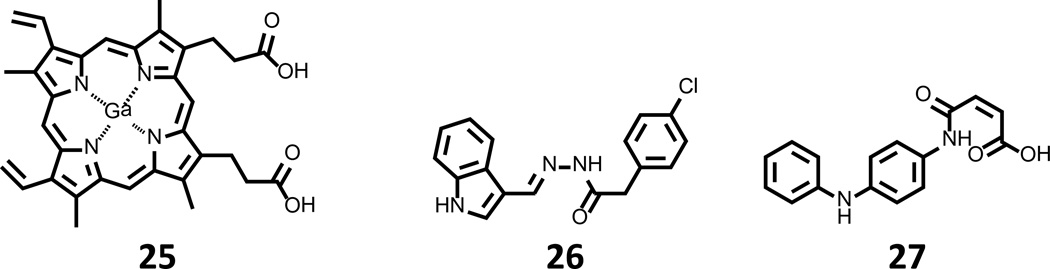
Figure 8. Inhibitors of heme assimilation
Gallium protoporphyrin IX 25 has been described as a possible inhibitor of heme monooxygenase, while 26 and 27 inhibit the formation of α-bilirubin in cell-based assays for heme monooxygenase.

References

    1. Power E. Impact of antibiotic restrictions: the pharmaceutical perspective. Clinical Microbiology and Infection. 2006 Aug;12:25–34. - PubMed
    1. Norrby R, Powell M. The bacterial challenge: time to react. Stockholm: European Centre for Disease Prevention and Control; 2009.
    1. Choffnes ER, Relman DA, Mack A. Antibiotic Resistance: Implications for global health and novel intervention strategies. Washington, D.C.: National Academies Press; 2010. - PubMed
    1. America IDSo. Bad bugs, no drugs: as antibiotic discovery stagnates… a public health crisis brews. Alexandria, VA: Infectious Disease Society of America; 2004.
    1. Gilbert DN, Guidos RJ, Boucher HW, et al. The 10 × '20 Initiative: Pursuing a Global Commitment to Develop 10 New Antibacterial Drugs by 2020. Clinical Infectious Diseases. 2010 Apr 15;50(8):1081–1083. Description of the Infectious Disease Society of America's intiative to bring 10 new antibacterial compounds to the clinic by 2020.

Publication types

MeSH terms