


Digital transcriptome analysis of putative sex-determination genes in papaya (Carica papaya)
- PMID: 22815863
- PMCID: PMC3397944
- DOI: 10.1371/journal.pone.0040904
Digital transcriptome analysis of putative sex-determination genes in papaya (Carica papaya)
Abstract
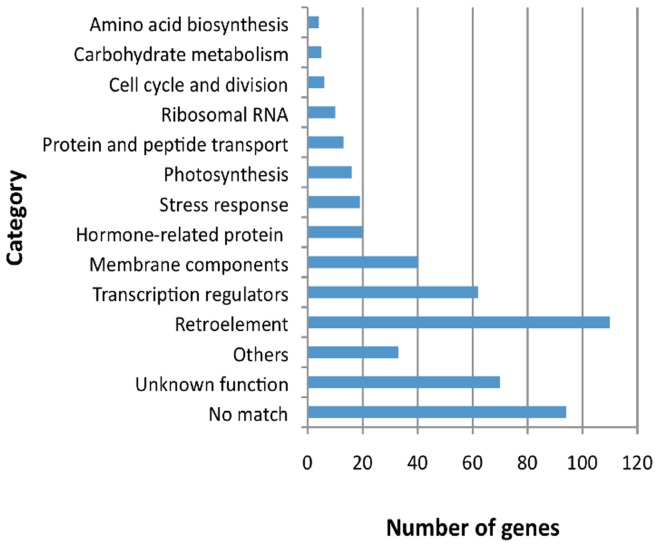
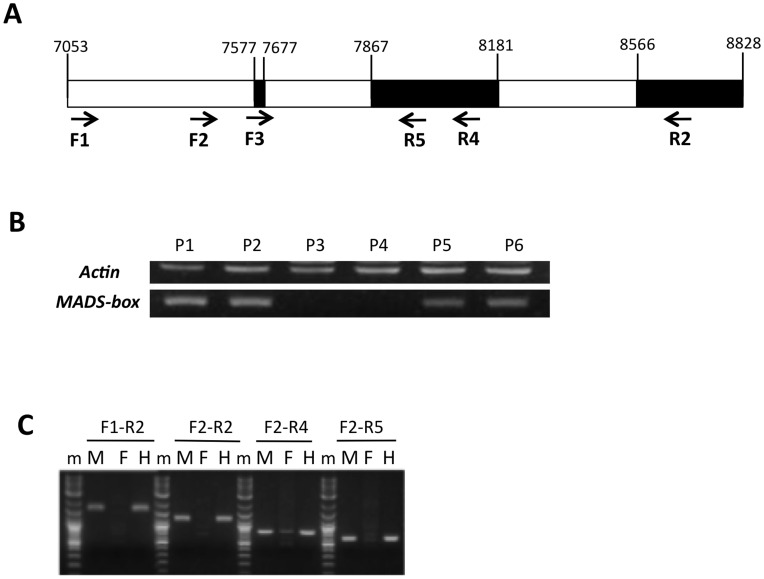
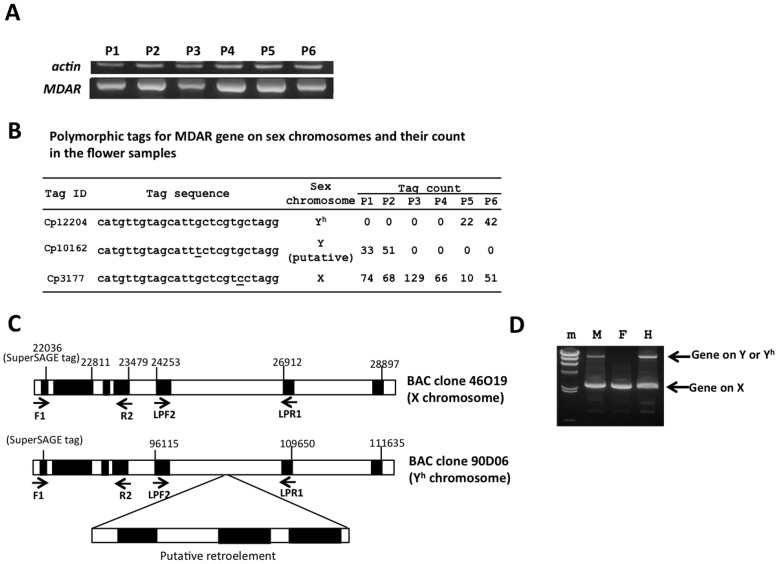
Papaya (Carica papaya) is a trioecious plant species that has male, female and hermaphrodite flowers on different plants. The primitive sex chromosomes genetically determine the sex of the papaya. Although draft sequences of the papaya genome are already available, the genes for sex determination have not been identified, likely due to the complicated structure of its sex-chromosome sequences. To identify the candidate genes for sex determination, we conducted a transcriptome analysis of flower samples from male, female and hermaphrodite plants using high-throughput SuperSAGE for digital gene expression analysis. Among the short sequence tags obtained from the transcripts, 312 unique tags were specifically mapped to the primitive sex chromosome (X or Y(h)) sequences. An annotation analysis revealed that retroelements are the most abundant sequences observed in the genes corresponding to these tags. The majority of tags on the sex chromosomes were located on the X chromosome, and only 30 tags were commonly mapped to both the X and Y(h) chromosome, implying a loss of many genes on the Y(h) chromosome. Nevertheless, candidate Y(h) chromosome-specific female determination genes, including a MADS-box gene, were identified. Information on these sex chromosome-specific expressed genes will help elucidating sex determination in the papaya.
Conflict of interest statement
Figures

References
-
- Arkle TD, Nakasone HY. Floral differentiation in the hermaphroditic papaya. HortScience. 1984;19:832–834.
-
- Tamaki M, Urasaki N, Sunakawa Y, Motomura K, Adaniya S. Seasonal variations in pollen germination ability, reproductive function of pistils, and seeds and fruit yield in papaya (Carica papaya L.) in Okinawa. J Japan Soc Hort Sci. 2011;80:156–163.
-
- Hofmeyr JDJ. Genetic studies of Carica papaya L. S Afr J Sci. 1938;35:300–304.
-
- Storey WB. Segregations of sex types in Solo papaya and their application to the selection of seed. Proc Am Soc Hort Sci. 1938;35:83–85.
-
- Storey WB. Genetics of papaya. J Hered. 1953;44:70–78.
Publication types
MeSH terms
Substances
LinkOut - more resources
Full Text Sources
Other Literature Sources
Molecular Biology Databases
