


Dose-related behavioral, subjective, endocrine, and psychophysiological effects of the κ opioid agonist Salvinorin A in humans
- PMID: 22817868
- PMCID: PMC3638802
- DOI: 10.1016/j.biopsych.2012.06.012
Dose-related behavioral, subjective, endocrine, and psychophysiological effects of the κ opioid agonist Salvinorin A in humans
Abstract
Background: Salvia divinorum (Salvia) is an increasingly popular recreational drug amongst adolescents and young adults. Its primary active ingredient, Salvinorin A (SA)-a highly selective agonist at the κ opiate receptor-is believed to be one of the most potent naturally occurring hallucinogens. However, there is little experimental data on the effects of SA in humans.
Methods: In a 3-day, double-blind, randomized, crossover, counterbalanced study, the behavioral, subjective, cognitive, psychophysiological, and endocrine effects of 0 mg, 8 mg, and 12 mg of inhaled SA were characterized in 10 healthy individuals who had previously used Salvia.
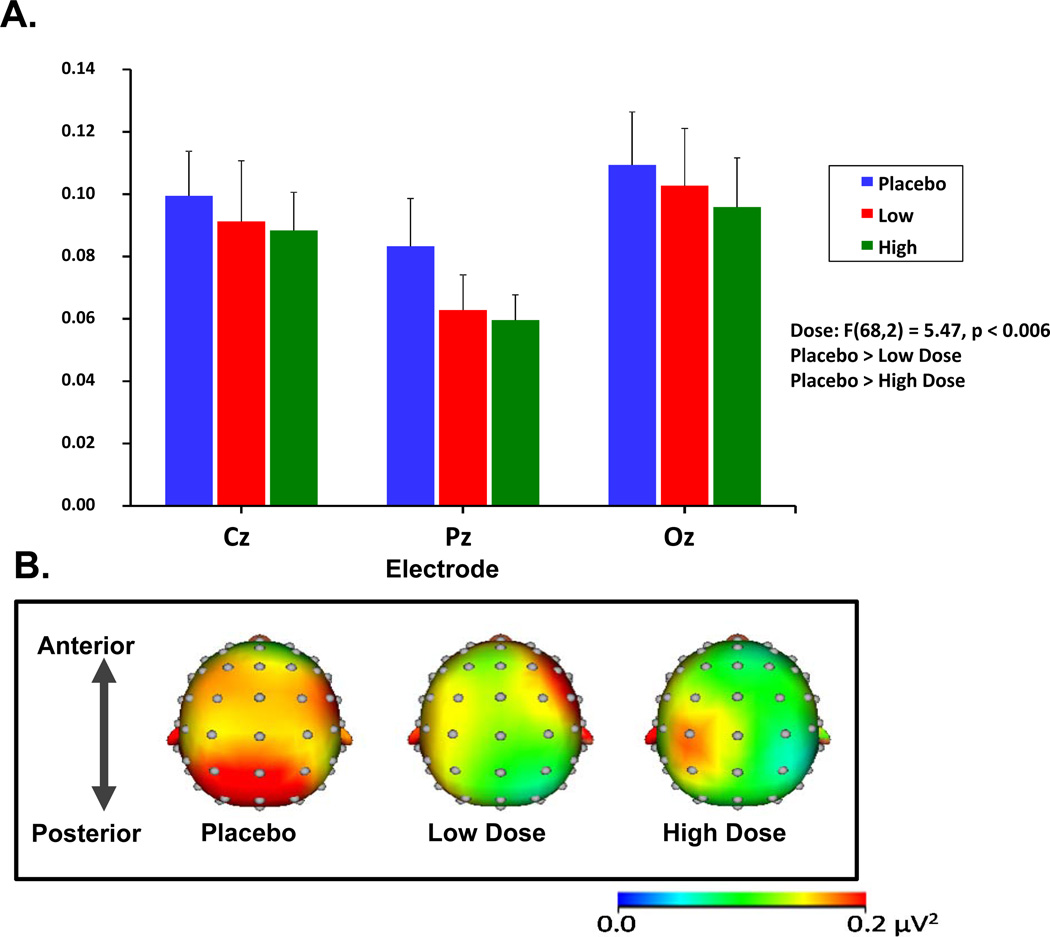
Results: SA produced psychotomimetic effects and perceptual alterations, including dissociative and somaesthetic effects, increased plasma cortisol and prolactin, and reduced resting electroencephalogram spectral power. The SA administration was associated with a rapid increase of its levels in the blood. SA did not produce euphoria, cognitive deficits, or changes in vital signs. The effects were transient and not dose-related. SA administration was very well-tolerated without acute or delayed adverse effects.
Conclusions: SA produced a wide range of transient effects in healthy subjects. The perceptual altering effects and lack of euphoric effects would explain its intermittent use pattern. Such a profile would also suggest a low addictive potential similar to other hallucinogens and consistent with κ opiate receptor agonism. Further work is warranted to carefully characterize a full spectrum of its effects in humans, to elucidate the underlying mechanisms involved, and to explore the basis for individual variability in its effects.
Copyright © 2012 Society of Biological Psychiatry. Published by Elsevier Inc. All rights reserved.
Conflict of interest statement
Patrick Skosnik, Ashley Schnakenberg, Brian Pittman, Andrew Sewell, Bruce Cohen report no biomedical financial interests or potential conflicts of interest.
Figures
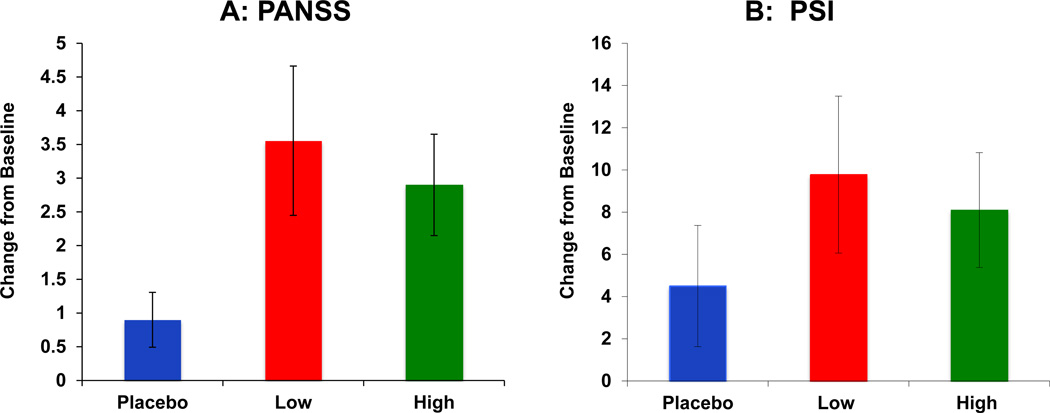
 Placebo
  Salvinorin A Low Dose (8 mg)
  Salvinorin A High Dose (12 mg) SA Doses are depicted as bars along the X axis. Change in PANSS (1A) and PSI scores (1B) are on the Y-axis. Error bars represent S.E.M. PANSS positive subscale scores range from 1–7 per item × 7 items. PSI scores range from 0–3 × 48 items.
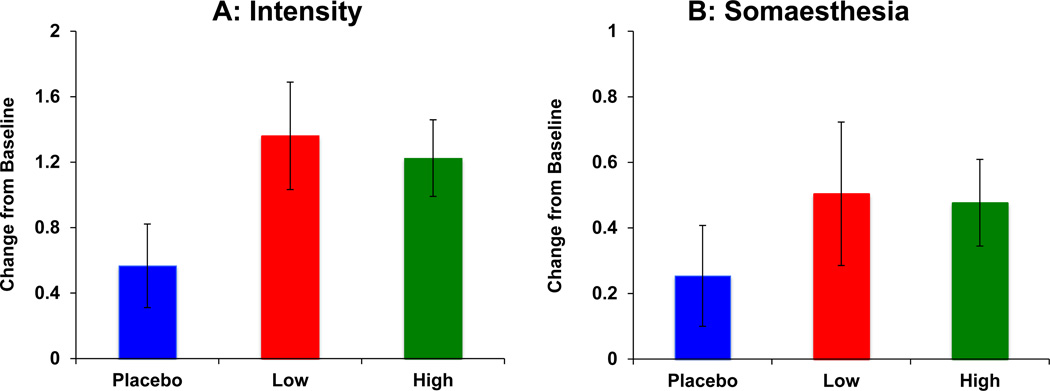 Placebo Salvinorin A Low Dose (8 mg) Salvinorin A High Dose (12 mg) SA Doses: Placebo, Low (8mg) and High (12mg) are depicted as bars along the X axis. Change in HRS scores is on the Y-axis. Error bars represent S.E.M. HRS scores range from 1–4.
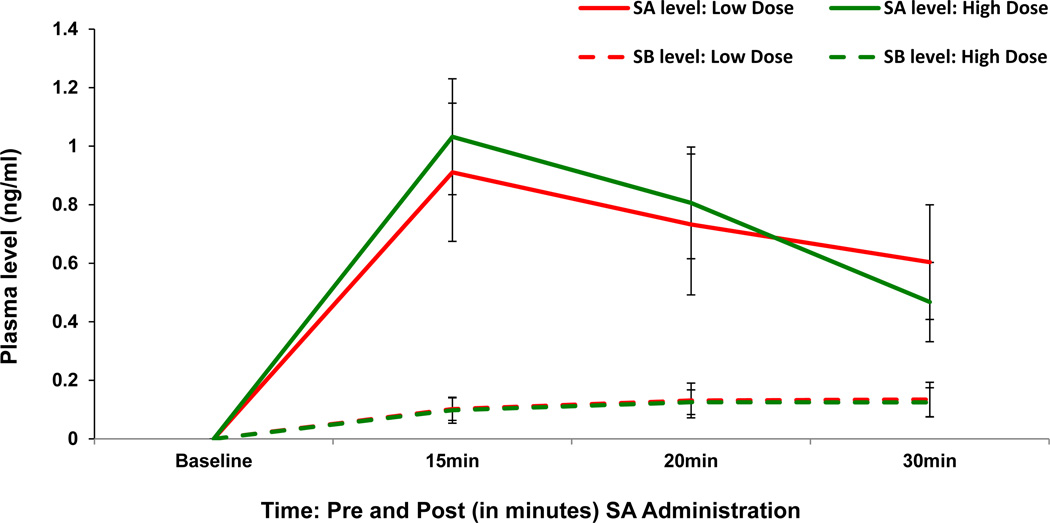 Placebo Salvinorin A Low Dose (8 mg) Salvinorin A High Dose (12 mg) Neither SA nor SB levels were detectable prior to drug administration (baseline). Time is on the X axis as Baseline (Pre) and 15, 20 and 30 minutes after SA administration Plasma levels of SA and SB are on the Y-axis. Separate lines depict the low and high dose of SA. Error bars represent S.E.M.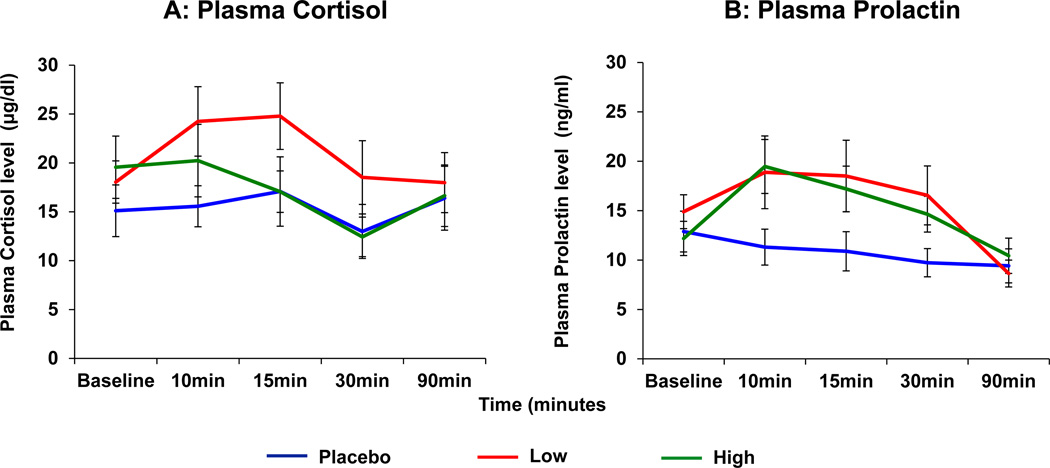
References
-
- Chavkin C, Sud S, Jin W, Stewart J, Zjawiony JK, Siebert DJ, et al. Salvinorin A, an active component of the hallucinogenic sage salvia divinorum is a highly efficacious kappa-opioid receptor agonist: structural and functional considerations. The Journal of pharmacology and experimental therapeutics. 2004;308:1197–1203. - PubMed
-
- Gonzalez D, Riba J, Bouso JC, Gomez-Jarabo G, Barbanoj MJ. Pattern of use and subjective effects of Salvia divinorum among recreational users. Drug and Alcohol Dependence. 2006;85:157–162. - PubMed
-
- Ford JA, Watkins WC, Blumenstein L. Correlates of Salvia divinorum use in a national sample: findings from the 2009 National Survey on Drug Use and Health. Addictive Behaviors. 2011;36:1032–1037. - PubMed
-
- Baggott MJ, Erowid E, Erowid F, Galloway GP, Mendelson J. Use patterns and self-reported effects of Salvia divinorum: an internet-based survey. Drug and Alcohol Dependence. 2010;111:250–256. - PubMed
Publication types
MeSH terms
Substances
Grants and funding
LinkOut - more resources
Full Text Sources
