


Therapeutic hypothermia as a neuroprotective strategy in neonatal hypoxic-ischemic brain injury and traumatic brain injury
- PMID: 22834830
- PMCID: PMC4173077
- DOI: 10.2174/156652412803833517
Therapeutic hypothermia as a neuroprotective strategy in neonatal hypoxic-ischemic brain injury and traumatic brain injury
Abstract
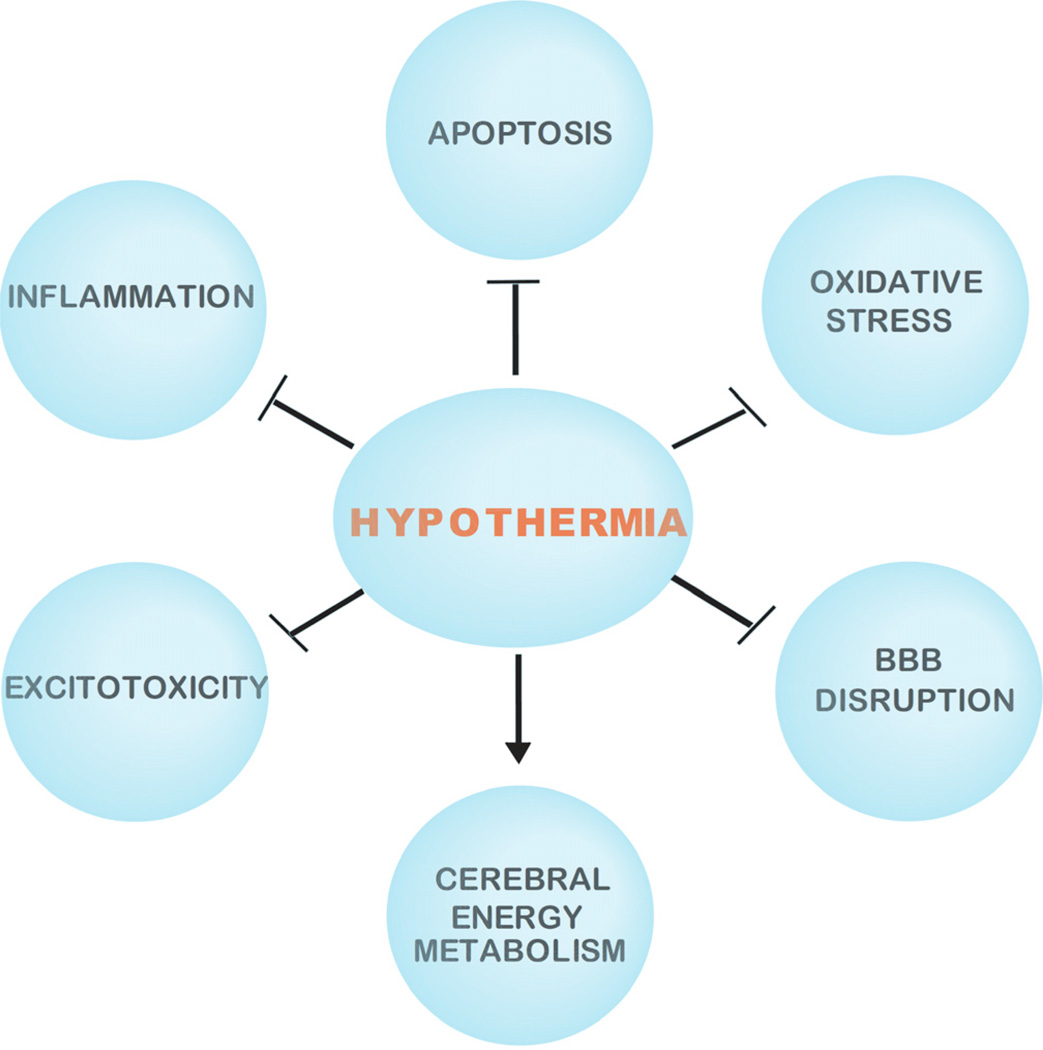
Evidence shows that artificially lowering body and brain temperature can significantly reduce the deleterious effects of brain injury in both newborns and adults. Although the benefits of therapeutic hypothermia have long been known and applied clinically, the underlying molecular mechanisms have yet to be elucidated. Hypoxic-ischemic brain injury and traumatic brain injury both trigger a series of biochemical and molecular events that cause additional brain insult. Induction of therapeutic hypothermia seems to ameliorate the molecular cascade that culminates in neuronal damage. Hypothermia attenuates the toxicity produced by the initial injury that would normally produce reactive oxygen species, neurotransmitters, inflammatory mediators, and apoptosis. Experiments have been performed on various depths and levels of hypothermia to explore neuroprotection. This review summarizes what is currently known about the beneficial effects of therapeutic hypothermia in experimental models of neonatal hypoxic-ischemic brain injury and traumatic brain injury, and explores the molecular mechanisms that could become the targets of novel therapies. In addition, this review summarizes the clinical implications of therapeutic hypothermia in newborn hypoxic-ischemic encephalopathy and adult traumatic brain injury.
Conflict of interest statement
The authors confirm that this article content has no conflicts of interest.
Figures
References
-
- Ginsberg MD, Sternau LL, Globus MY, Dietrich WD, Busto R. Therapeutic modulation of brain temperature: relevance to ischemic brain injury. Cerebrovasc Brain Metab Rev. 1992;4:189–225. - PubMed
-
- Smith LW, Fay T. Observations on human beings with cancer, maintained at reduced temperatures of 75–90 °F. Am J Clin Pathol. 1940;10:1–11.
-
- Fay T. Observations on prolonged human refrigeration. N Y State J Med. 1940;40:1351–1354.
-
- Fay T. Observations on generalized refrigeration in cases of severe cerebral trauma. Assoc Res Nerv Ment Dis Proc. 1943;24:611–619.
-
- Spencer FC, Bahnson HT. The present role of hypothermia in cardiac surgery. Circulation. 1962;26:292–300. - PubMed
Publication types
MeSH terms
Substances
Grants and funding
LinkOut - more resources
Full Text Sources
Other Literature Sources