


Low nigrostriatal reserve for motor parkinsonism in nonhuman primates
- PMID: 22836146
- PMCID: PMC3443325
- DOI: 10.1016/j.expneurol.2012.07.008
Low nigrostriatal reserve for motor parkinsonism in nonhuman primates
Abstract
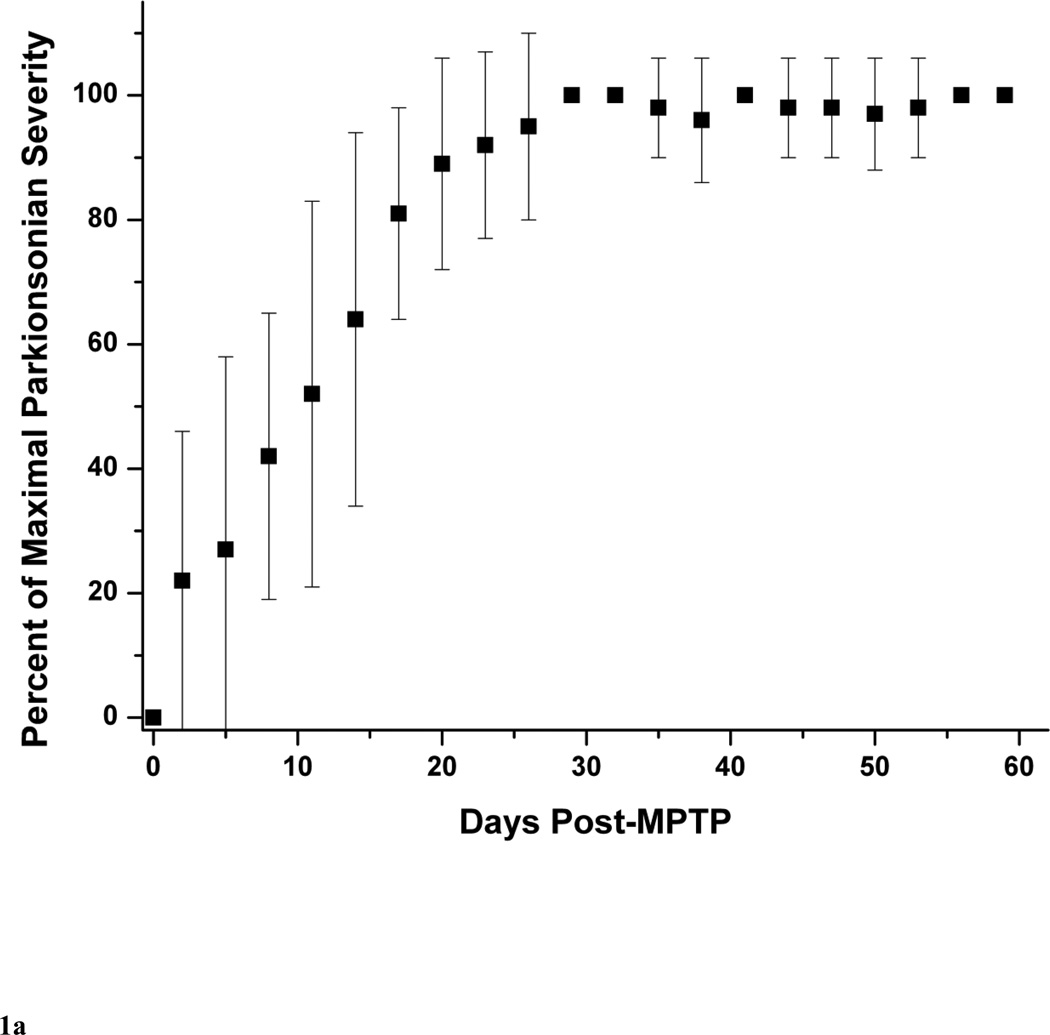
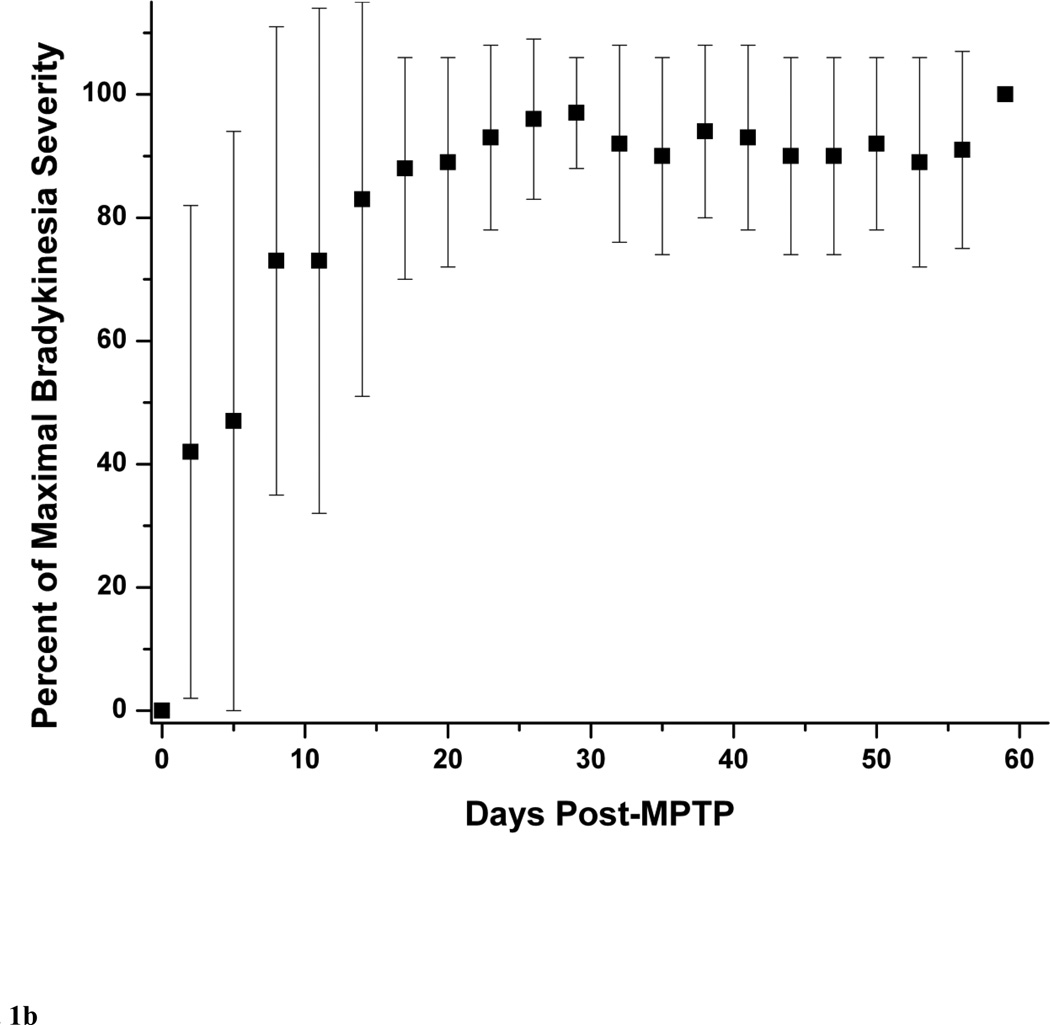
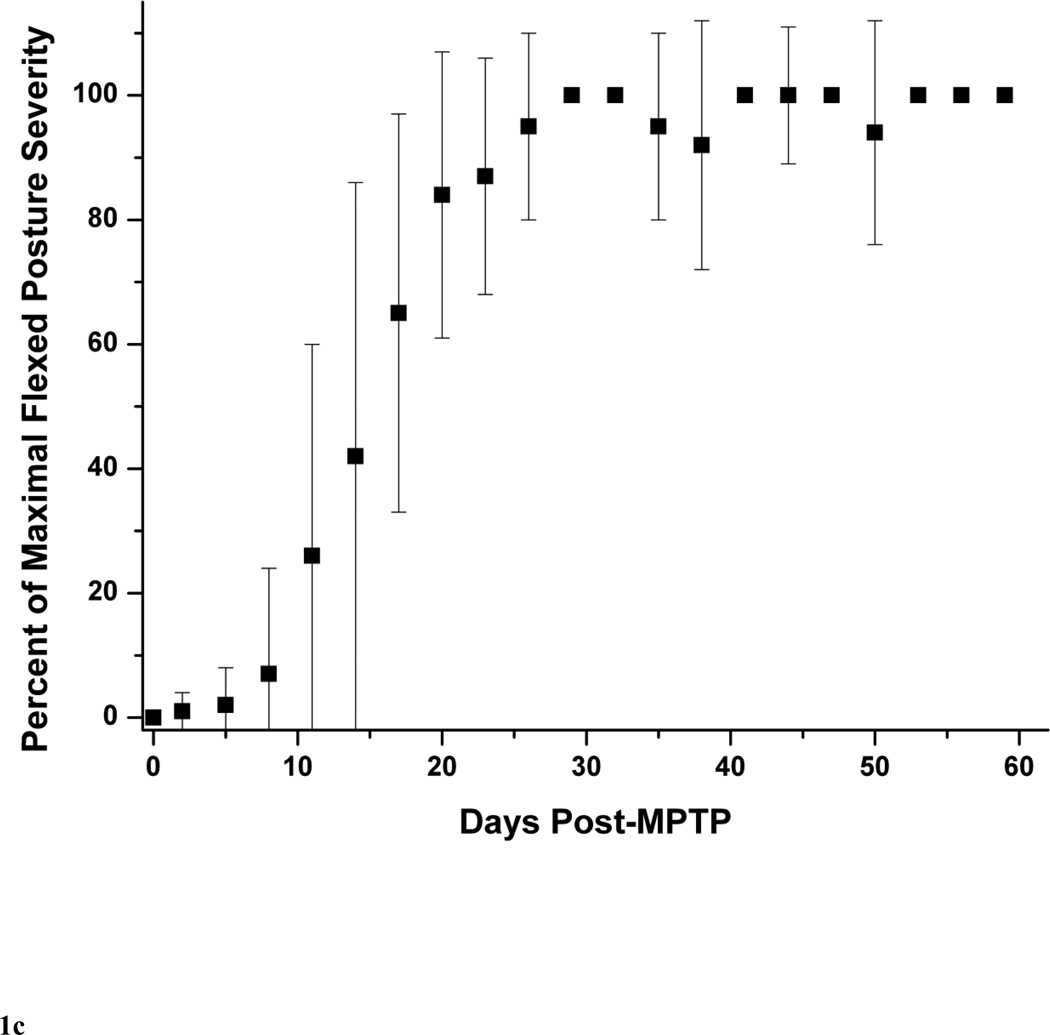
Objective: Nigrostriatal reserve refers to the threshold of neuronal injury to dopaminergic cell bodies and their terminal fields required to produce parkinsonian motor deficits. Inferential studies have estimated striatal dopamine reserve to be at least 70%. Knowledge of this threshold is critical for planning interventions to prevent symptom onset or reverse nigrostriatal injury sufficient to restore function in people with Parkinson disease. In this study, we determine the nigrostriatal reserve in a non-human primate model that mimics the motor manifestations of Parkinson disease.
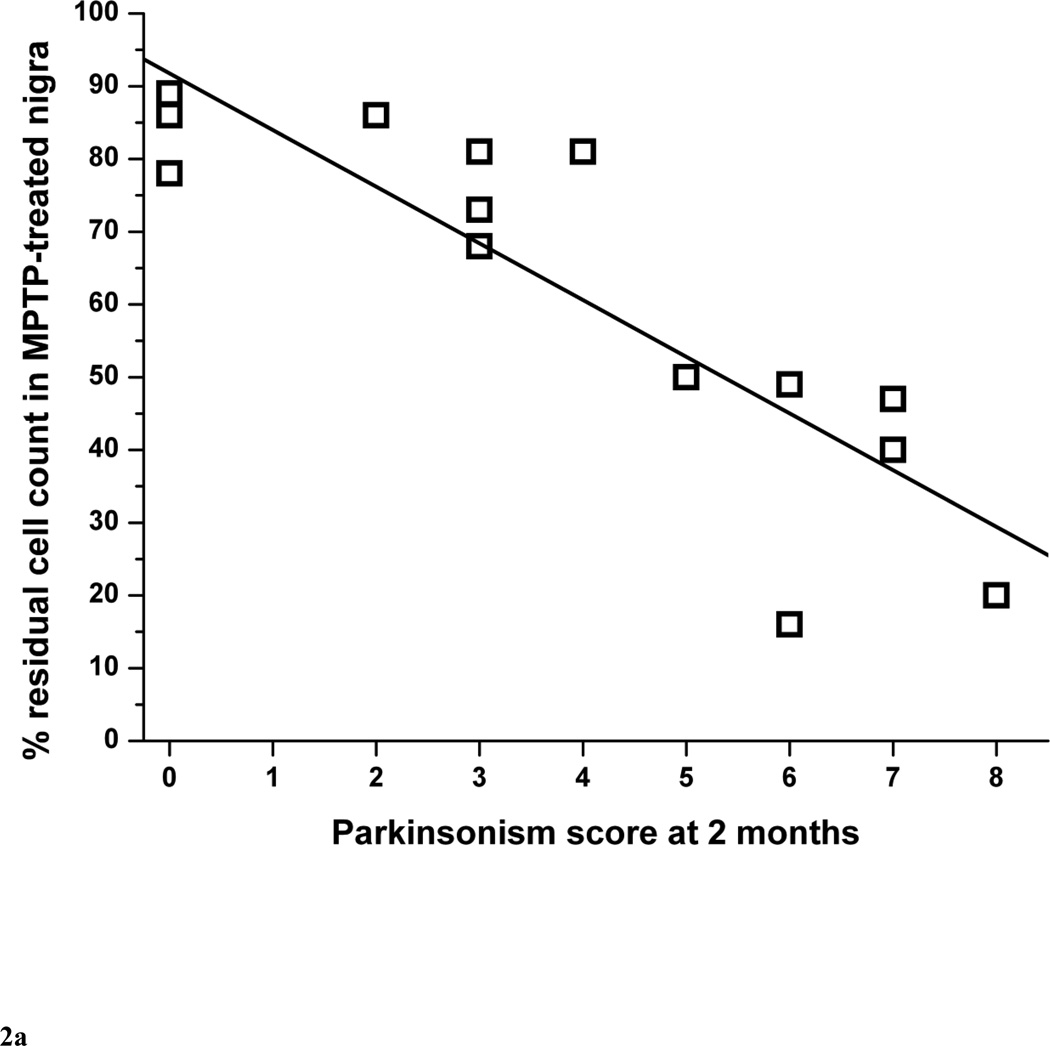
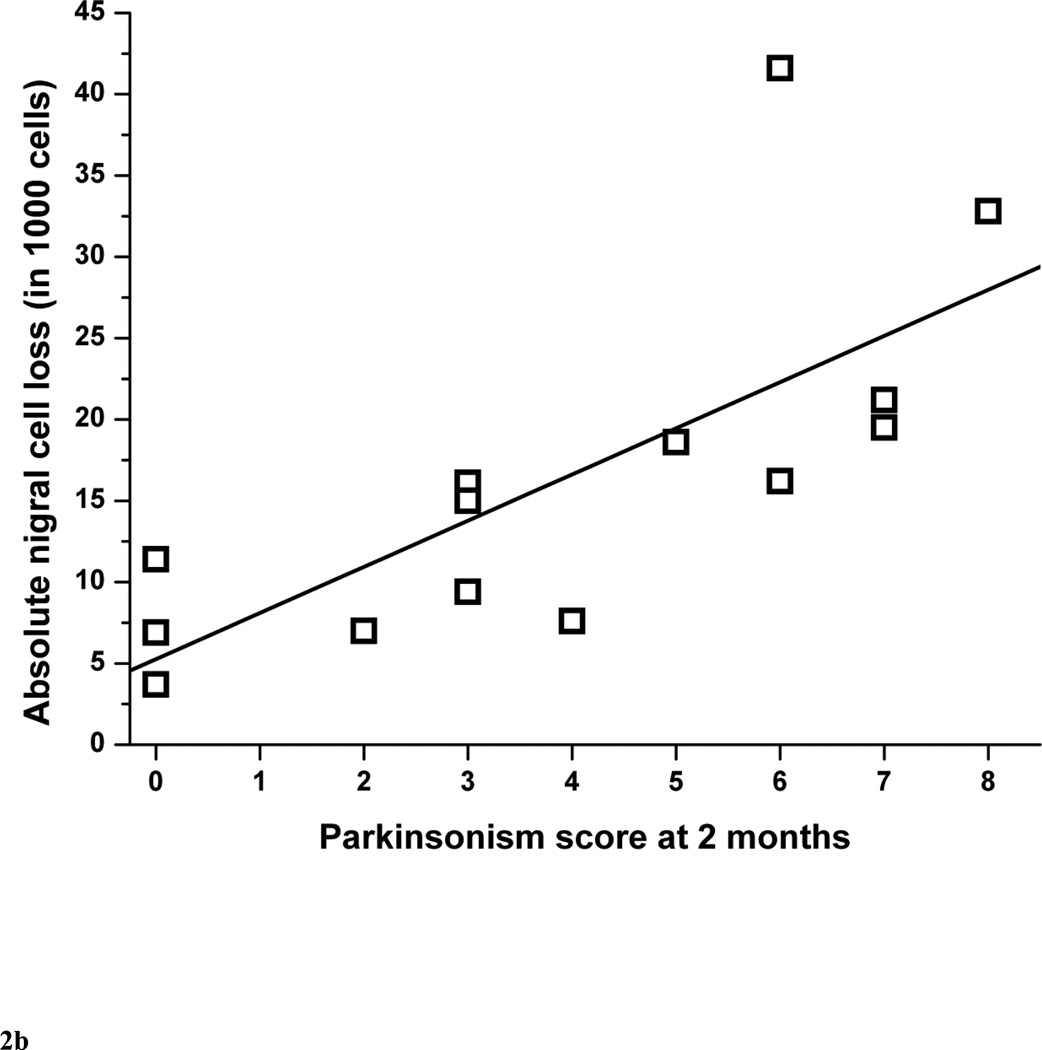
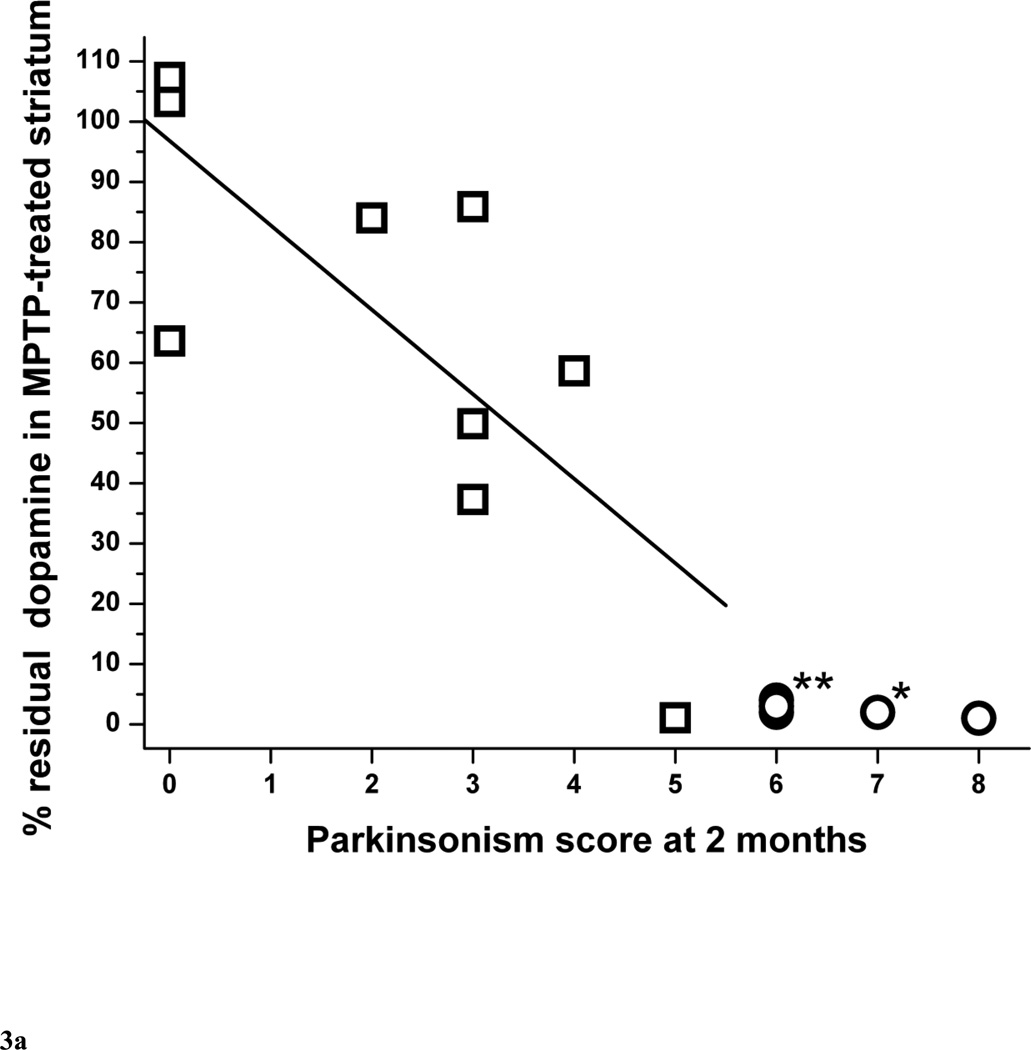
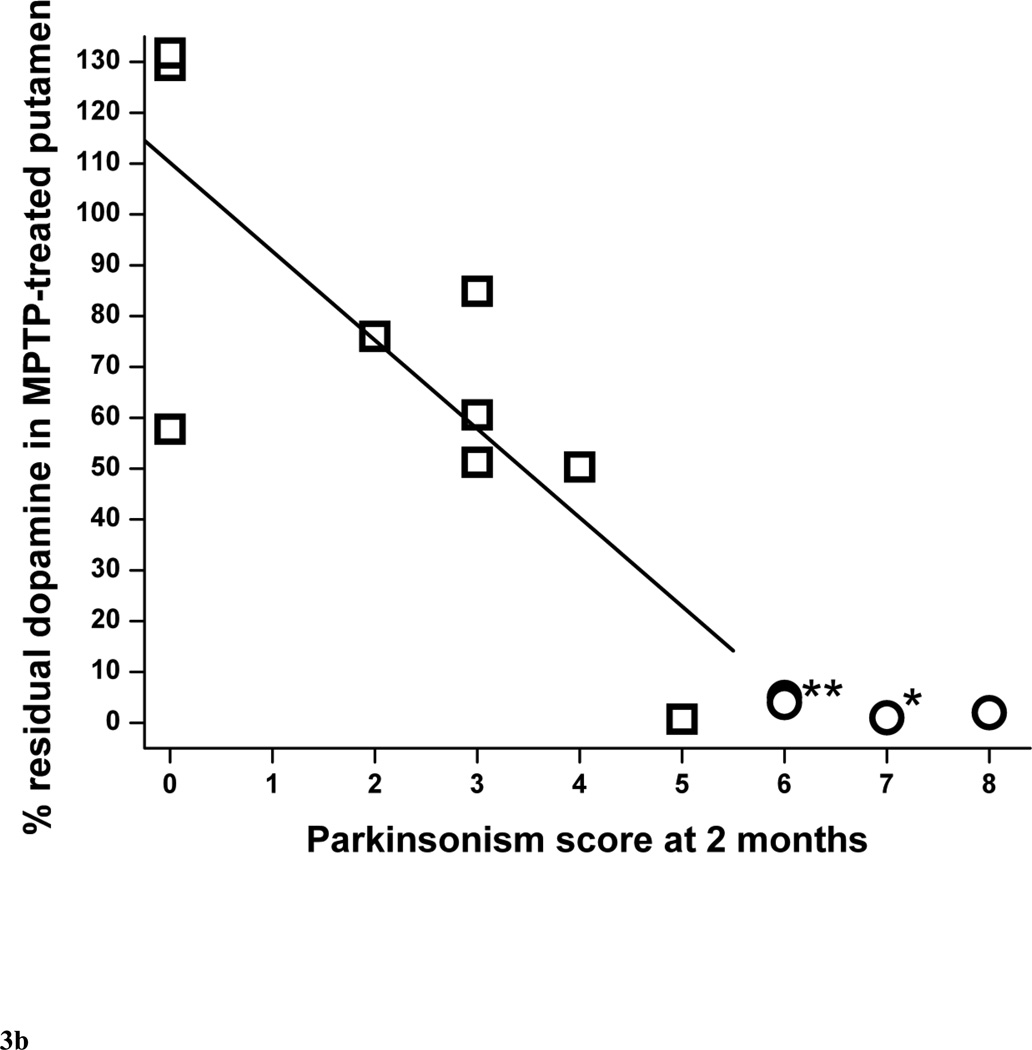
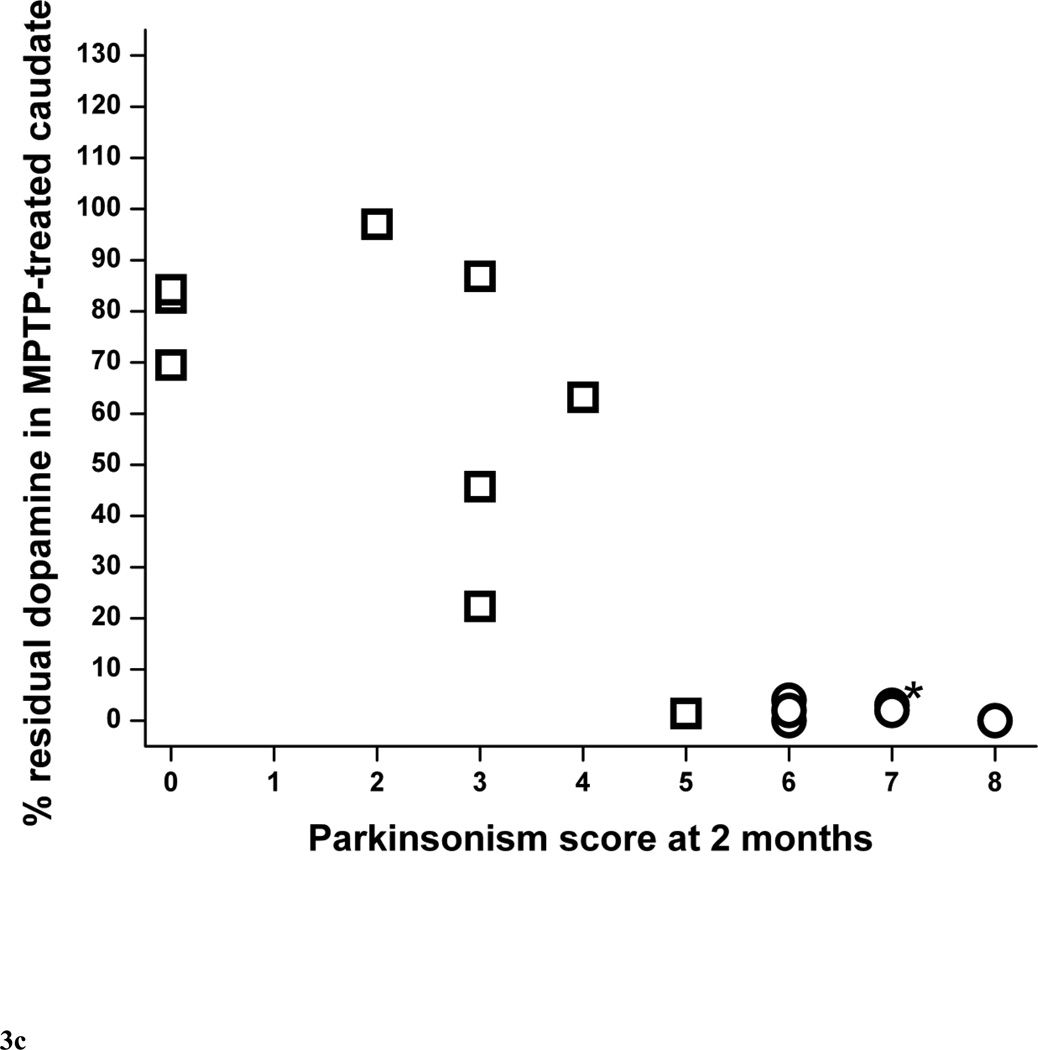
Methods: Fifteen macaque monkeys received unilateral randomized doses of the selective dopaminergic neuronal toxin 1-methyl-4-phenyl-1,2,3,6-tetrahydropyridine. We compared blinded validated ratings of parkinsonism to in vitro measures of striatal dopamine and unbiased stereologic counts of nigral neurons after tyrosine hydroxylase immunostaining.
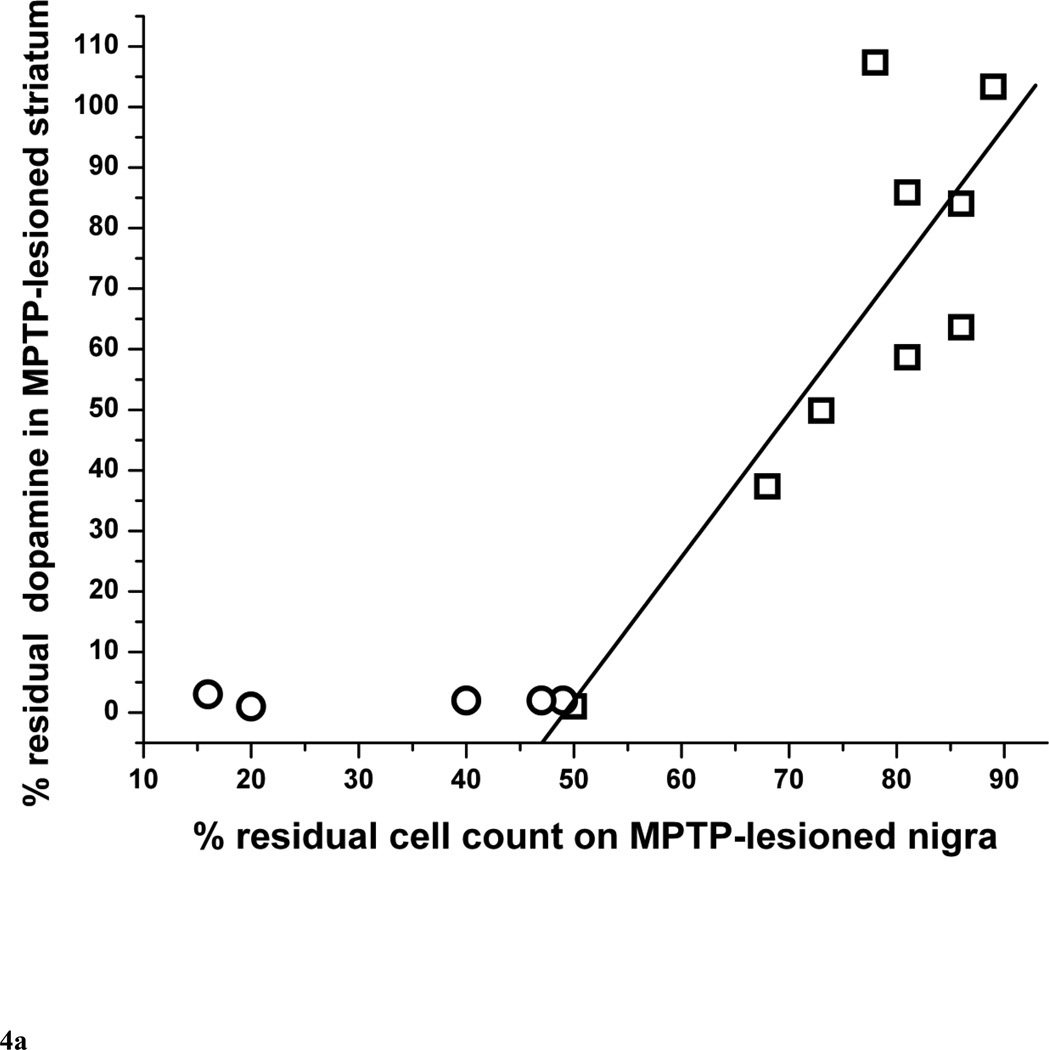
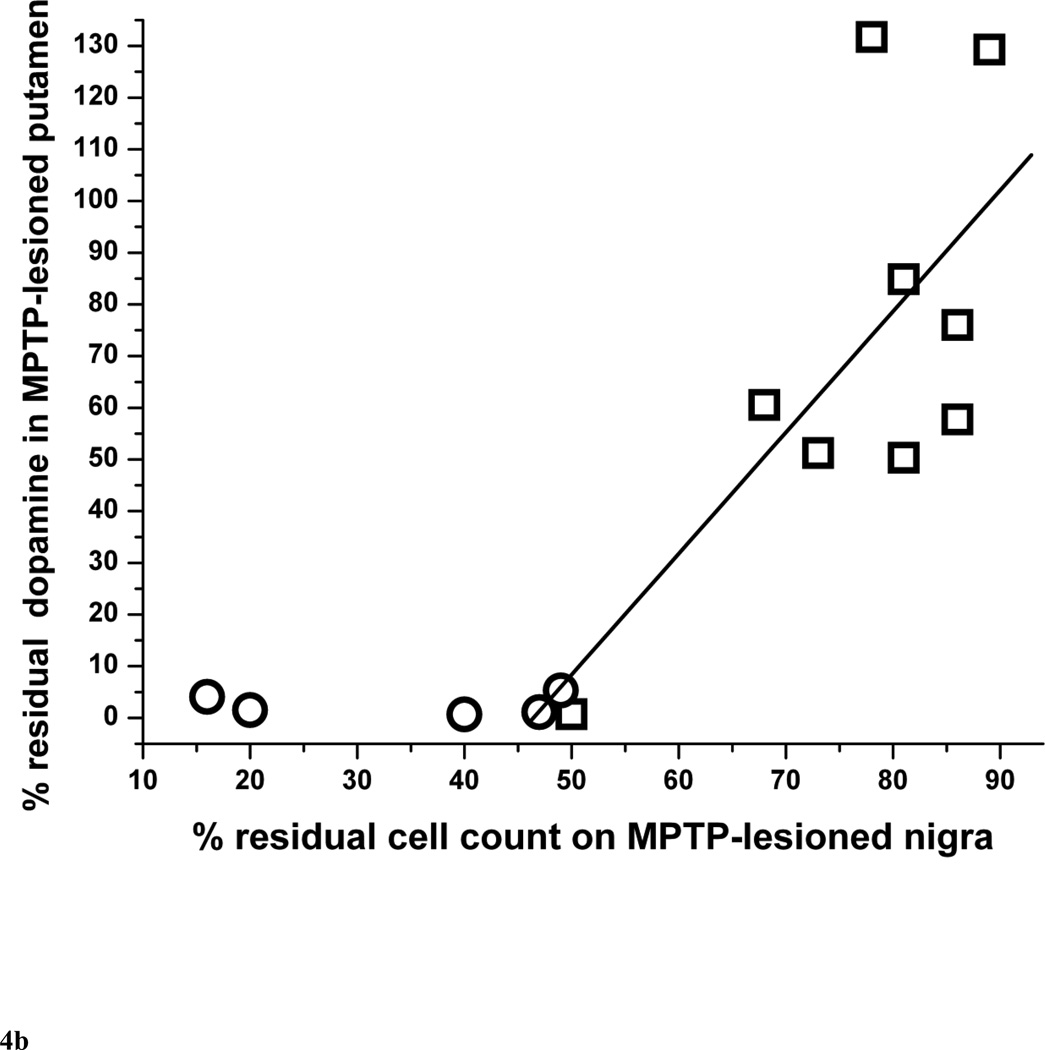
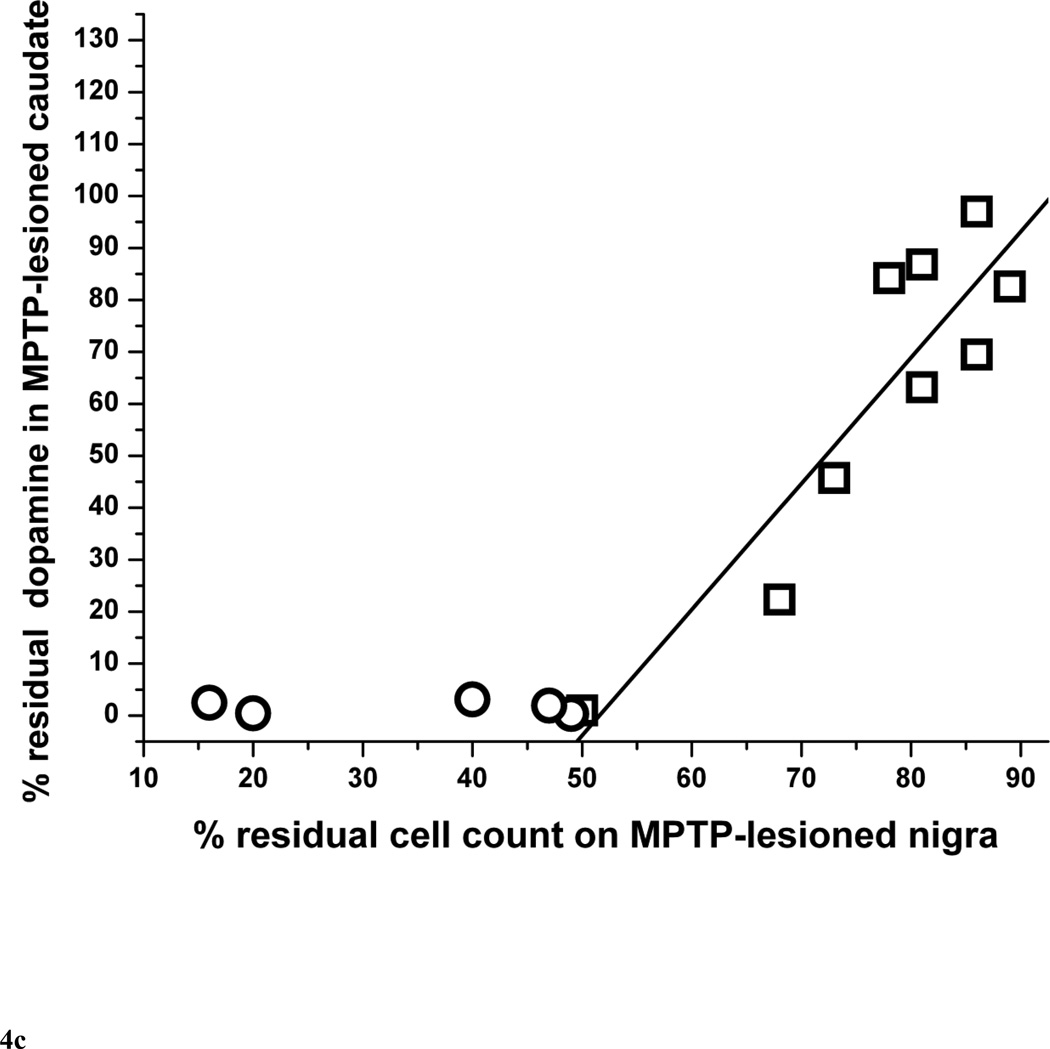
Results: The percent of residual cell counts in lesioned nigra correlated linearly with the parkinsonism score at 2 months (r=-0.87, p<0.0001). The parkinsonism score at 2 months correlated linearly with the percent residual striatal dopamine (r=-0.77, p=0.016) followed by a flooring effect once nigral cell loss exceeded 50%. A reduction of about 14 to 23% of nigral neuron counts or 14% to 37% of striatal dopamine was sufficient to induce mild parkinsonism.
Conclusions: The nigral cell body and terminal field injury needed to produce parkinsonian motor manifestations may be much less than previously thought.
Copyright © 2012 Elsevier Inc. All rights reserved.
Figures
References
-
- Ballard PA, Tetrud JW, Langston JW. Permanent Human Parkinsonism Due to 1-Methyl-4-Phenyl-1,2,3,6-Tetrahydropyridine (MPTP) - 7 Cases. Neurology. 1985;35:949–956. - PubMed
-
- Bernheimer H, Birkmayer W, Hornykiewicz O, Jellinger K, Seitelberger F. Brain Dopamine and Syndromes of Parkinson and Huntington - Clinical, Morphological and Neurochemical Correlations. Journal of the Neurological Sciences. 1973;20:415–455. - PubMed
-
- Bezard E, Dovero S, Prunier C, Ravenscroft P, Chalon S, Guilloteau D, Crossman AR, Bioulac B, Brotchie JM, Gross CE. Relationship between the appearance of symptoms and the level of nigrostriatal degeneration in a progressive 1-methyl-4-phenyl-1,2,3,6-tetrahydropyridine-lesioned macaque model of Parkinson's disease. Journal of Neuroscience. 2001;21:6853–6861. - PMC - PubMed
-
- Blesa J, Juri C, Collantes M, Penuelas I, Prieto E, Iglesias E, Marti-Climent J, Arbizu J, Zubieta JL, Rodriguez-Oroz MC, Garcia-Garcia D, Richter JA, Cavada C, Obeso JA. Progression of dopaminergic depletion in a model of MPTP-induced Parkinsonism in non-human primates. An F-18-DOPA and C-11-DTBZ PET study. Neurobiology of Disease. 2010;38:456–463. - PubMed
Publication types
MeSH terms
Substances
Grants and funding
LinkOut - more resources
Full Text Sources
