


An electronic diary on a palm device for headache monitoring: a preliminary experience
- PMID: 22842873
- PMCID: PMC3444534
- DOI: 10.1007/s10194-012-0473-2
An electronic diary on a palm device for headache monitoring: a preliminary experience
Abstract
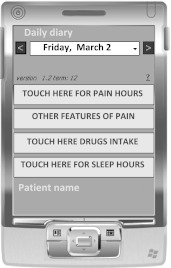
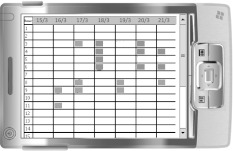
Patients suffering from headache are usually asked to use charts to allow monitoring of their disease. These diaries, providing they are regularly filled in, become crucial in the diagnosis and management of headache disorders because they provide further information on attack frequency and temporal pattern, drug intake, trigger factors, and short-/long-term responses to treatment. Electronic tools could facilitate diary monitoring and thus the management of headaches. Medication overuse headache (MOH) is a chronic and disabling condition that can be treated by withdrawing the overused drug(s) and adopting specific approaches that focus on the development of a close doctor-patient relationship in the post-withdrawal phase. Although the headache diary is, in this context, an essential tool for the constant, reliable monitoring of these patients to prevent relapses, very little is known about the applicability of electronic diaries in MOH patients. The purpose of this study was to evaluate the acceptability of and patient compliance with an electronic headache diary (palm device) as compared with a traditional diary chart in a group of headache inpatients with MOH. A palm diary device, developed in accordance with the ICHD-II criteria, was given to 85 MOH inpatients during the detoxification phase. On the first day of hospitalization, the patients were instructed in the use of the diary and were then required to fill it in daily for the following 7 days. Data on the patients' opinions on the electronic diary and the instructions given, its screen and layout, as well as its convenience and ease of use, in comparison with the traditional paper version, were collected using a numerical rating scale. A total of 504 days with headache were recorded in both the electronic and the traditional headache diaries simultaneously. The level of patient compliance was good. The patients appreciated the electronic headache diary, deeming it easy to understand and to use (fill in); most of the patients rated the palm device handier than the traditional paper version.
Figures
References
-
- Tassorelli C, Sances G, Allena M, Ghiotto N, Bendtsen L, Olesen J, Nappi G, Jensen R. The usefulness and applicability of a basic headache diary before first consultation: results of a pilot study conducted in two centres. Cephalalgia. 2008;28:1023–1030. doi: 10.1111/j.1468-2982.2008.01639.x. - DOI - PubMed
-
- Goldberg J, Wolf A, Silberstein S, Gebeline-Myers C, Hopkins M, Einhorn K, Tolosa JE. Evaluation of an electronic diary as a diagnostic tool to study headache and premenstrual symptoms in migraineurs. Headache. 2007;47:84–96. - PubMed
Publication types
MeSH terms
Substances
LinkOut - more resources
Full Text Sources
Medical
