


Discussing some basic critique on Journal Impact Factors: revision of earlier comments
- PMID: 22844166
- PMCID: PMC3399074
- DOI: 10.1007/s11192-012-0677-x
Discussing some basic critique on Journal Impact Factors: revision of earlier comments
Abstract
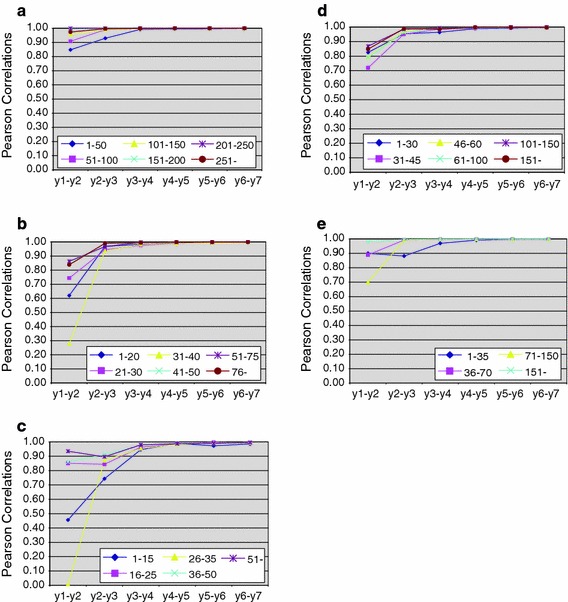
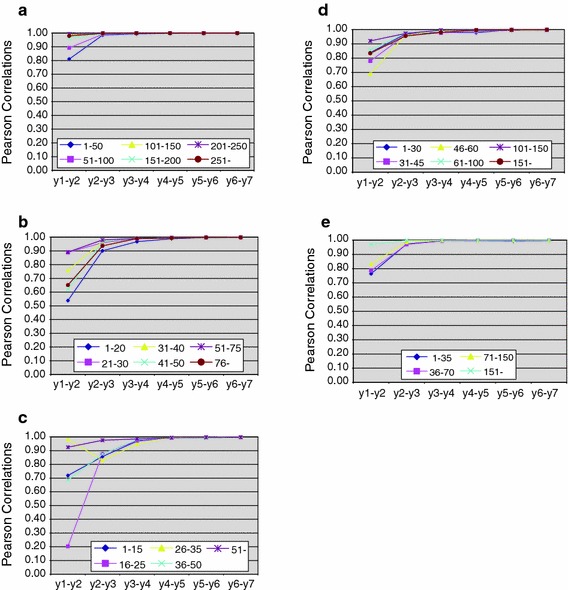
In this study the issue of the validity of the argument against the applied length of citation windows in Journal Impact Factors calculations is critically re-analyzed. While previous studies argued against the relatively short citation window of 1-2 years, this study shows that the relative short term citation impact measured in the window underlying the Journal Impact Factor is a good predictor of the citation impact of the journals in the next years to come. Possible exceptions to this observation relate to journals with relatively low numbers of publications, and the citation impact related to publications in the year of publication. The study focuses on five Journal Subject Categories from the science and social sciences, on normal articles published in these journals, in the 2 years 2000 and 2004.
Figures
References
-
- Garfield, E. (1976). Is the ratio between number of citations and publications cited a true constant? Current contents, February 1976 (Also published in: Essays of an information scientist, 1974–1976, Vol. 2, pp. 419–420). Philadelphia: ISI Press.
-
- Harzing, A.W. (2010). Working with ISI data: Beware of categorisation problems. Retrieved January 16, 2012 from http://www.harzing.com/ISI_categories.htm.
-
- Moed HF, van Leeuwen Th N, Reedijk J. A new classification system to describe the ageing of scientific journals and their impact factors. Journal of Documentation. 1998;54:387–419. doi: 10.1108/EUM0000000007175. - DOI
LinkOut - more resources
Full Text Sources