The strategic retention of task-relevant objects in visual working memory
- PMID: 22845068
- PMCID: PMC3855846
- DOI: 10.1037/a0029496
The strategic retention of task-relevant objects in visual working memory
Abstract
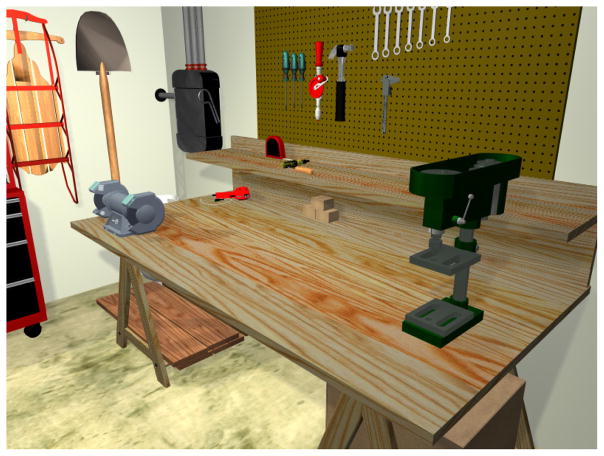
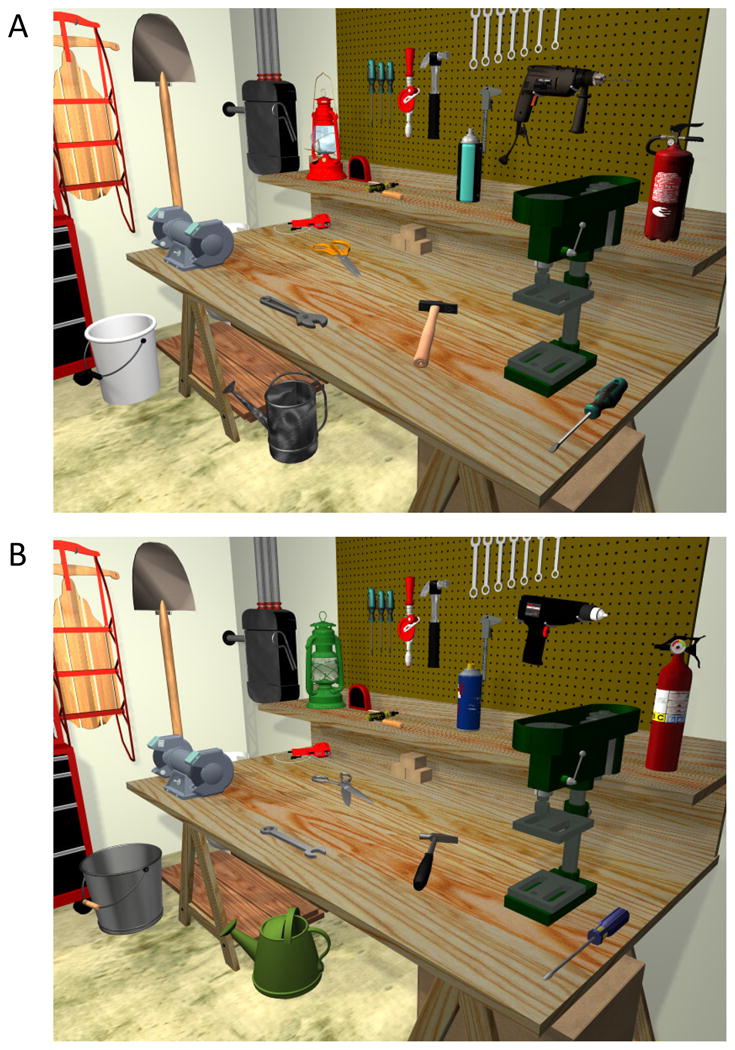
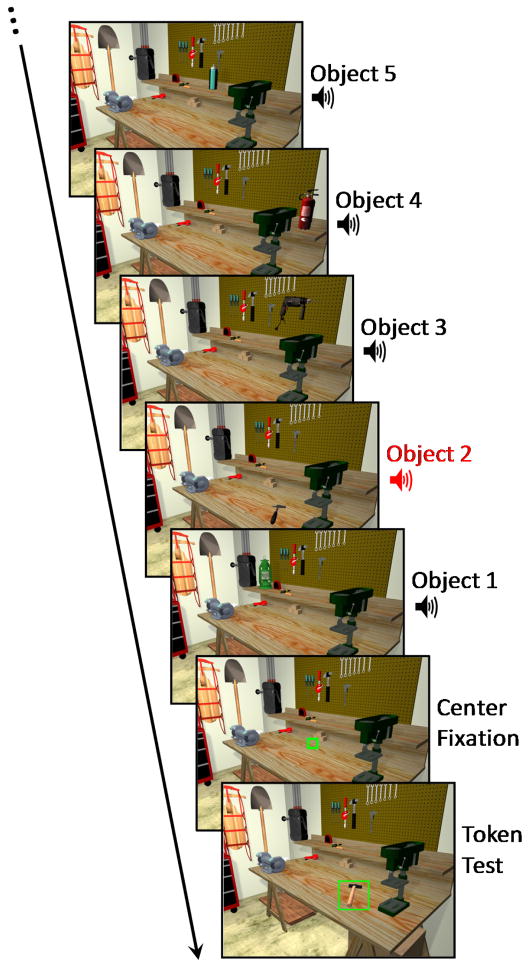
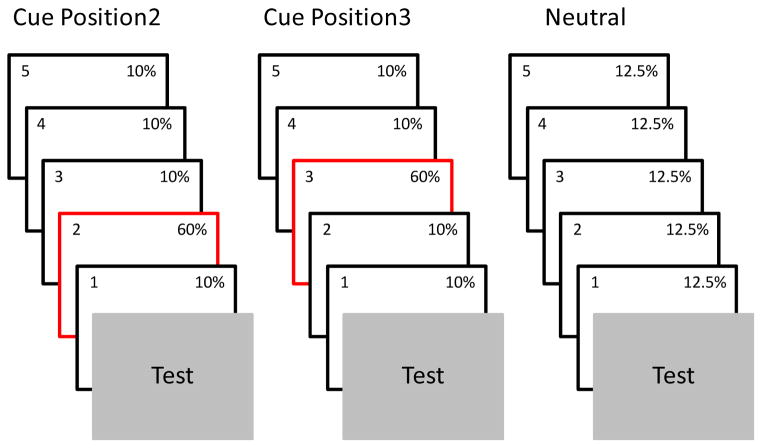
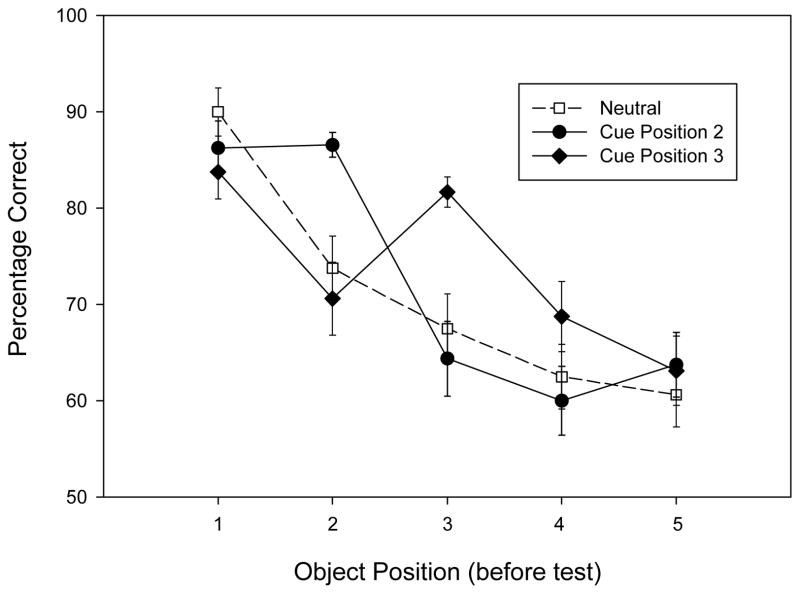
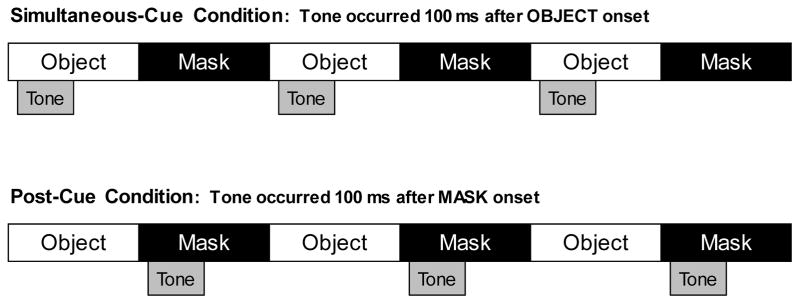
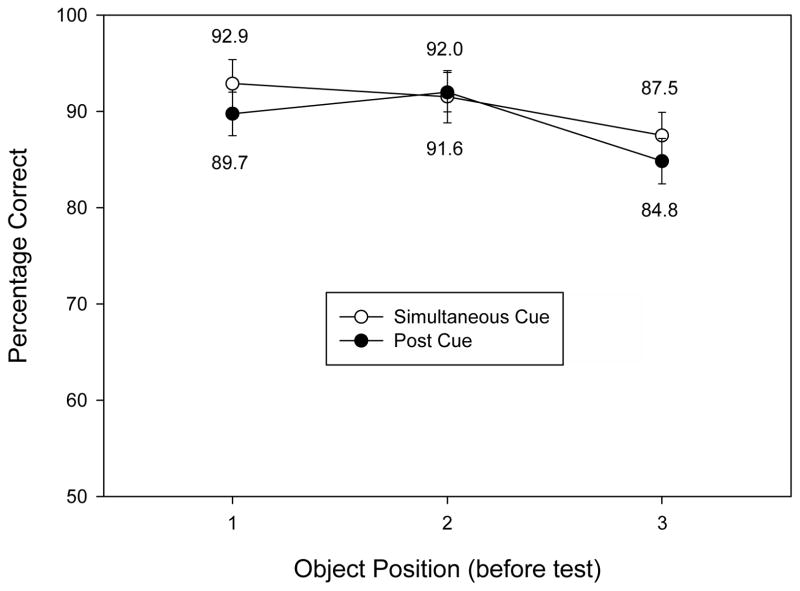
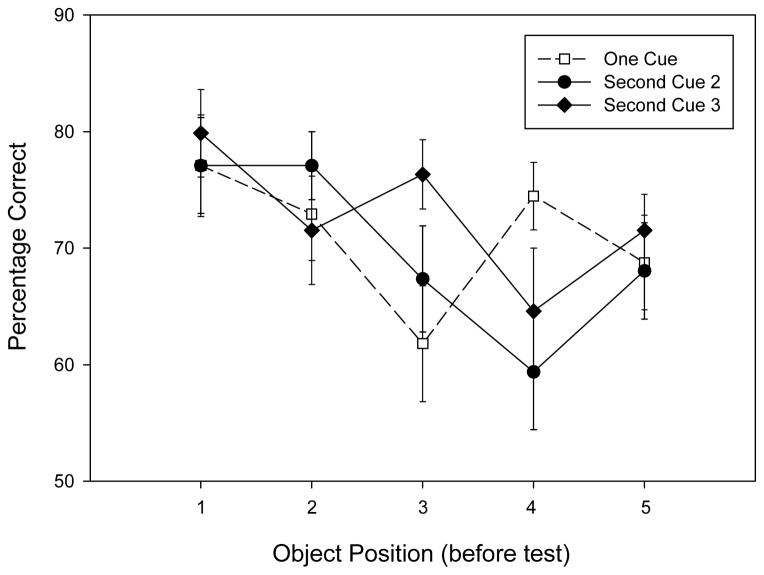
The serial and spatially extended nature of many real-world visual tasks suggests the need for control over the content of visual working memory (VWM). We examined the management of VWM in a task that required participants to prioritize individual objects for retention during scene viewing. There were 5 principal findings: (a) Strategic retention of task-relevant objects was effective and was dissociable from the current locus of visual attention; (b) strategic retention was implemented by protection from interference rather than by preferential encoding; (c) this prioritization was flexibly transferred to a new object as task demands changed; (d) no-longer-relevant items were efficiently eliminated from VWM; and (e) despite this level of control, attended and fixated objects were consolidated into VWM regardless of task relevance. These results are consistent with a model of VWM control in which each fixated object is automatically encoded into VWM, replacing a portion of the content in VWM. However, task-relevant objects can be selectively protected from replacement.
Figures
References
MeSH terms
Grants and funding
LinkOut - more resources
Full Text Sources
Other Literature Sources