


Systemic inflammatory load in young and old ringdoves is modulated by consumption of a Jerte Valley cherry-based product
- PMID: 22846077
- PMCID: PMC3407386
- DOI: 10.1089/jmf.2011.0233
Systemic inflammatory load in young and old ringdoves is modulated by consumption of a Jerte Valley cherry-based product
Abstract
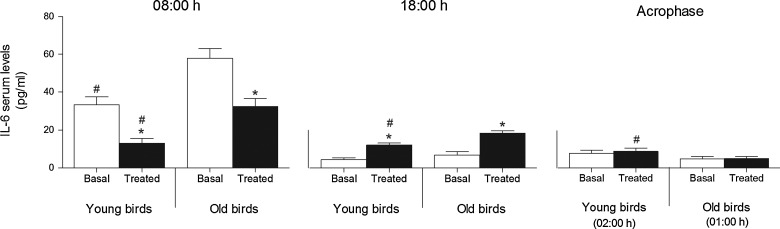
A chronic subclinical inflammatory status that coexists with immune dysfunction is commonly found in the elderly population. Consumption of foods rich in antioxidants (e.g., cherries) is an attractive strategy to reduce risk from chronic diseases. Based on previous studies showing the antioxidant effect of a Jerte Valley cherry derivative product in humans, the objective of this work was to evaluate the effect of the intake of a Jerte Valley cherry-based beverage on inflammatory load in both young and old ringdoves (Streptopelia risoria). To this purpose, circulating levels of pro-inflammatory and anti-inflammatory cytokines as well as serum levels of different acute-phase proteins were measured before and after a 10-day treatment with the Jerte Valley cherry-based beverage. Thus, the 10-day treatment with the cherry-based beverage modulated the balance of pro- and anti-inflammatory cytokines in both young and old ringdoves by down-regulating the levels of pro-inflammatory cytokines (interleukin [IL]-1β, tumor necrosis factor-α, and interferon-γ) and up-regulating the levels of anti-inflammatory cytokines (IL-4, IL-2, and IL-10). Moreover, the 10-day treatment with the Jerte Valley cherry-based product reduced the levels of several proteins involved in acute-phase responses, such as C-reactive protein, haptoglobin, α(2)-macroglobulin, and serum amyloid P component. On the other hand, old birds showed imbalanced levels of inflammatory markers toward a pro-inflammatory status, thereby underlining the fact that aging is usually accompanied by systemic inflammation and inflammation-related chronic diseases. To sum up, the data suggest a potential health benefit by consuming the cherry-based beverage, especially in aged populations, through their anti-inflammatory properties.
Figures

References
-
- Han J. Ulevitch RJ. Limiting inflammatory responses during activation of innate immunity. Nat Immunol. 2005;6:1198–1205. - PubMed
-
- Aggarwal BB. Shishodia S. Sandur SK. Pandey MK. Sethi G. Inflammation and cancer: How hot is the link? Biochem Pharmacol. 2006;72:1605–1621. - PubMed
-
- Giugliano D. Ceriello A. Esposito K. The effects of diet on inflammation—emphasis on the metabolic syndrome. J Am Coll Cardiol. 2006;48:677–685. - PubMed
-
- Heber D. Vegetables, fruits and phytoestrogens in the prevention of diseases. J Postgrad Med. 2004;50:145–149. - PubMed
Publication types
MeSH terms
Substances
LinkOut - more resources
Full Text Sources
Research Materials
