


A mutation deleting sequences encoding the amino terminus of human cytomegalovirus UL84 impairs interaction with UL44 and capsid localization
- PMID: 22855486
- PMCID: PMC3457161
- DOI: 10.1128/JVI.01379-12
A mutation deleting sequences encoding the amino terminus of human cytomegalovirus UL84 impairs interaction with UL44 and capsid localization
Abstract
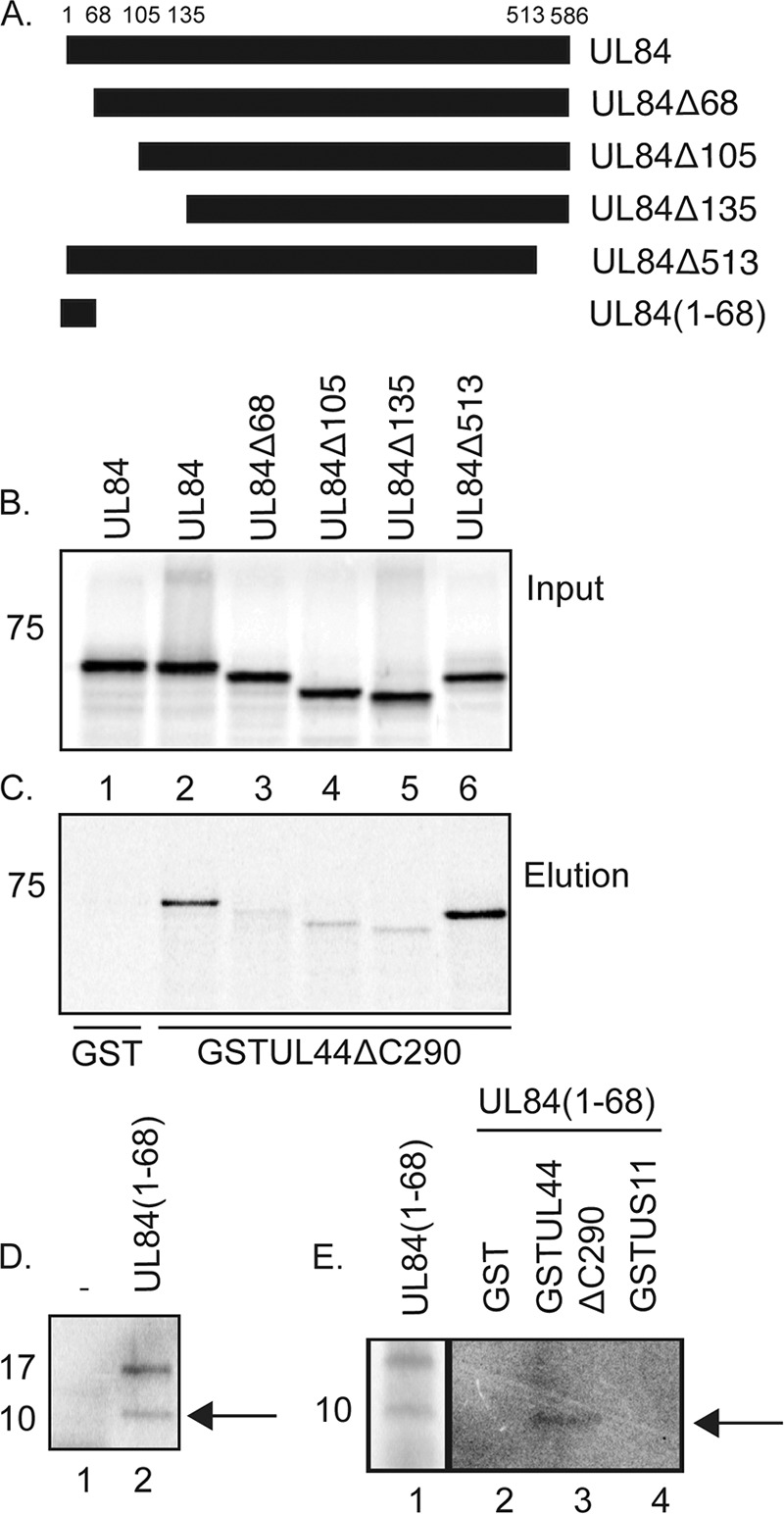
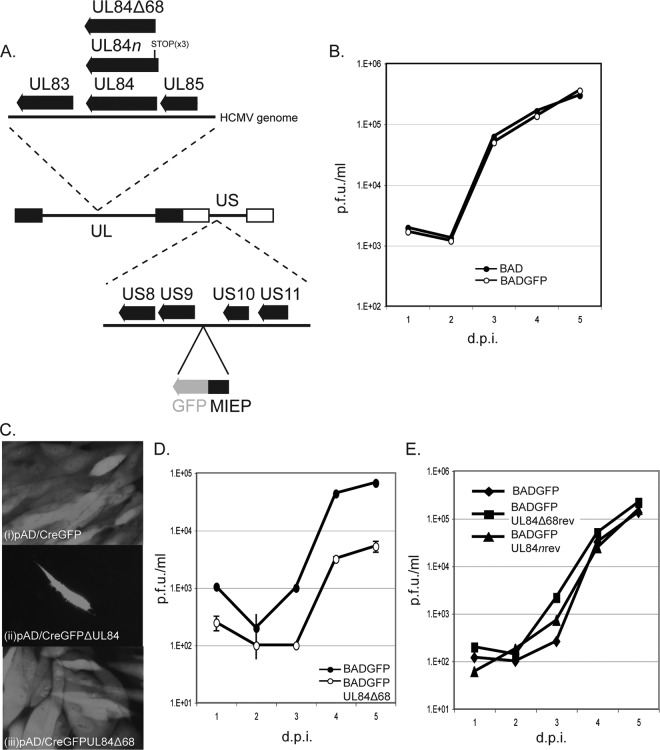
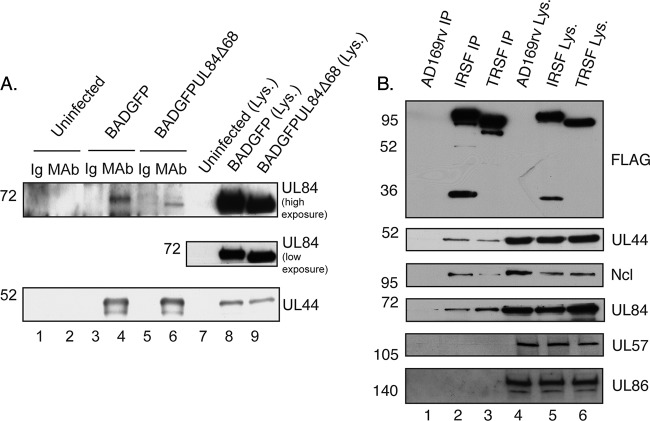
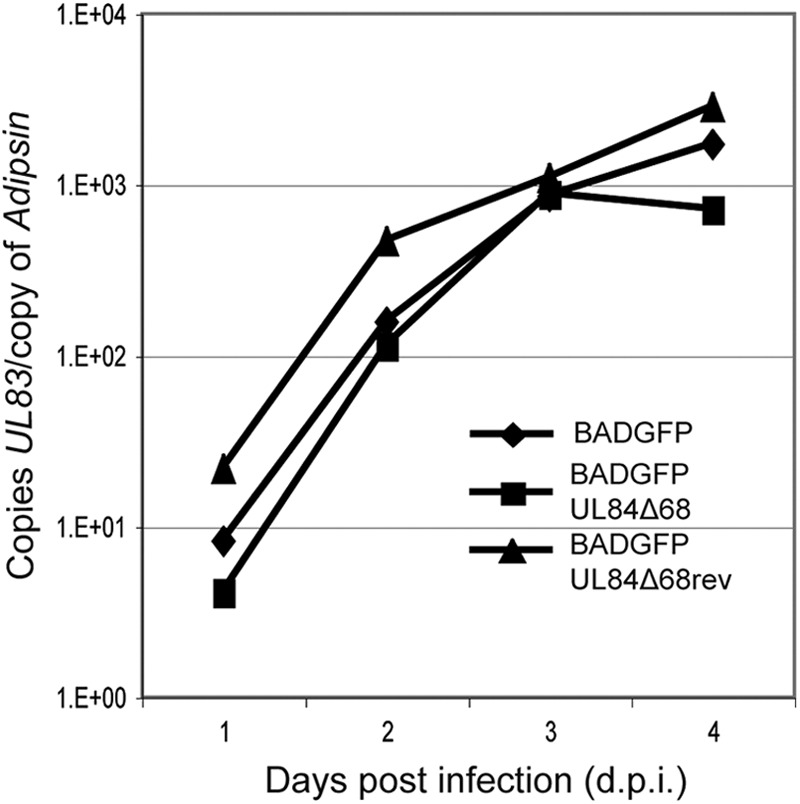
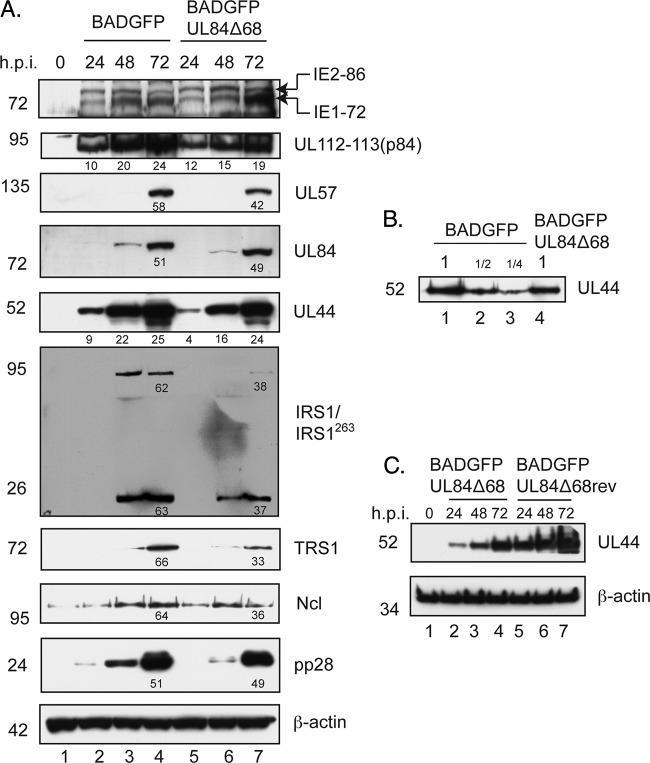
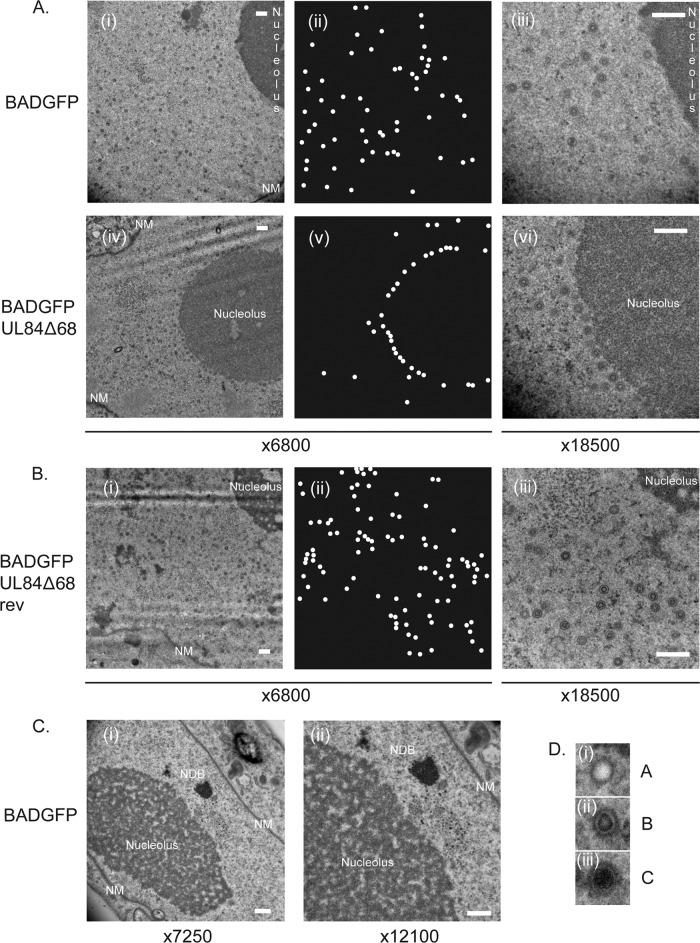
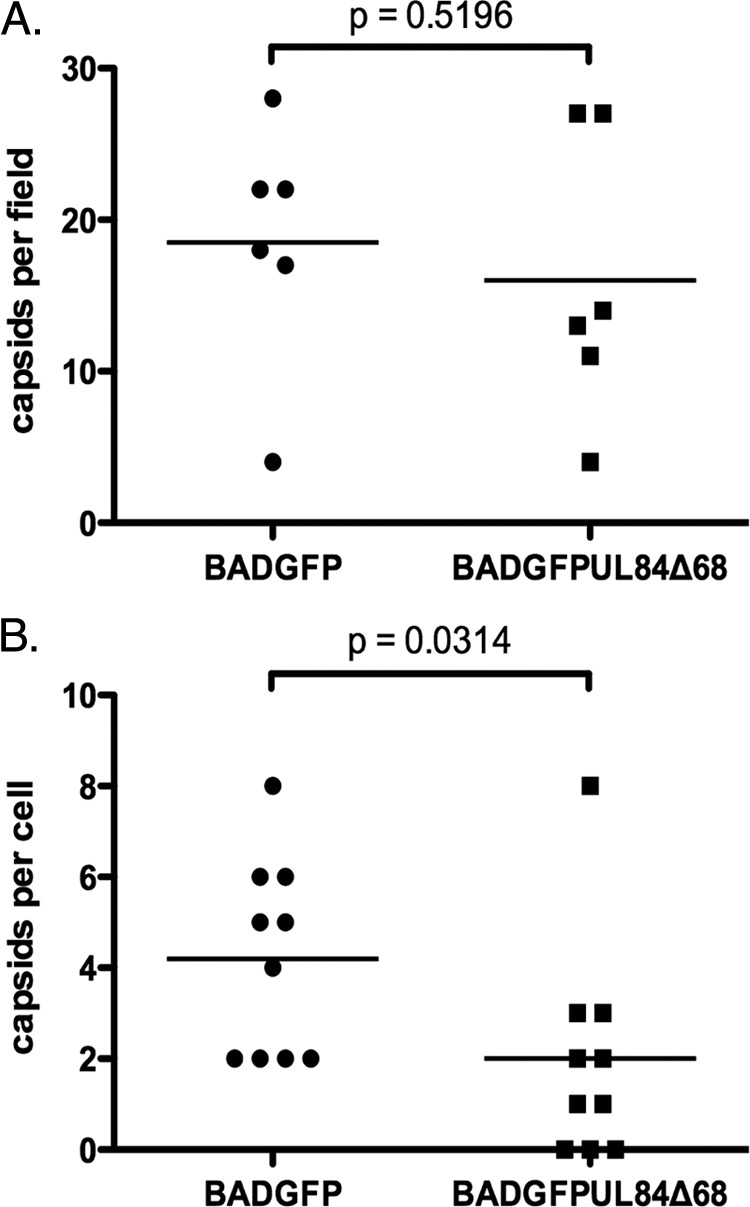
Protein-protein interactions are required for many biological functions. Previous work has demonstrated an interaction between the human cytomegalovirus DNA polymerase subunit UL44 and the viral replication factor UL84. In this study, glutathione S-transferase pulldown assays indicated that residues 1 to 68 of UL84 are both necessary and sufficient for efficient interaction of UL84 with UL44 in vitro. We created a mutant virus in which sequences encoding these residues were deleted. This mutant displayed decreased virus replication compared to wild-type virus. Immunoprecipitation assays showed that the mutation decreased but did not abrogate association of UL84 with UL44 in infected cell lysate, suggesting that the association in the infected cell can involve other protein-protein interactions. Further immunoprecipitation assays indicated that IRS1, TRS1, and nucleolin are candidates for such interactions in infected cells. Quantitative real-time PCR analysis of viral DNA indicated that the absence of the UL84 amino terminus does not notably affect viral DNA synthesis. Western blotting experiments and pulse labeling of infected cells with [(35)S]methionine demonstrated a rather modest downregulation of levels of multiple proteins and particularly decreased levels of the minor capsid protein UL85. Electron microscopy demonstrated that viral capsids assemble but are mislocalized in nuclei of cells infected with the mutant virus, with fewer cytoplasmic capsids detected. In sum, deletion of the sequences encoding the amino terminus of UL84 affects interaction with UL44 and virus replication unexpectedly, not viral DNA synthesis. Mislocalization of viral capsids in infected cell nuclei likely contributes to the observed decrease in virus replication.
Figures

References
-
- Appleton BA, et al. 2006. Crystal structure of the cytomegalovirus DNA polymerase subunit UL44 in complex with the C terminus from the catalytic subunit. Differences in structure and function relative to unliganded UL44. J. Biol. Chem. 281:5224–5232 - PubMed
-
- Appleton BA, Loregian A, Filman DJ, Coen DM, Hogle JM. 2004. The cytomegalovirus DNA polymerase subunit UL44 forms a C clamp-shaped dimer. Mol. Cell 15:233–244 - PubMed
Publication types
MeSH terms
Substances
Grants and funding
LinkOut - more resources
Full Text Sources
