


Endogenous molecules stimulating N-acylethanolamine-hydrolyzing acid amidase (NAAA)
- PMID: 22860206
- PMCID: PMC3382453
- DOI: 10.1021/cn300007s
Endogenous molecules stimulating N-acylethanolamine-hydrolyzing acid amidase (NAAA)
Abstract
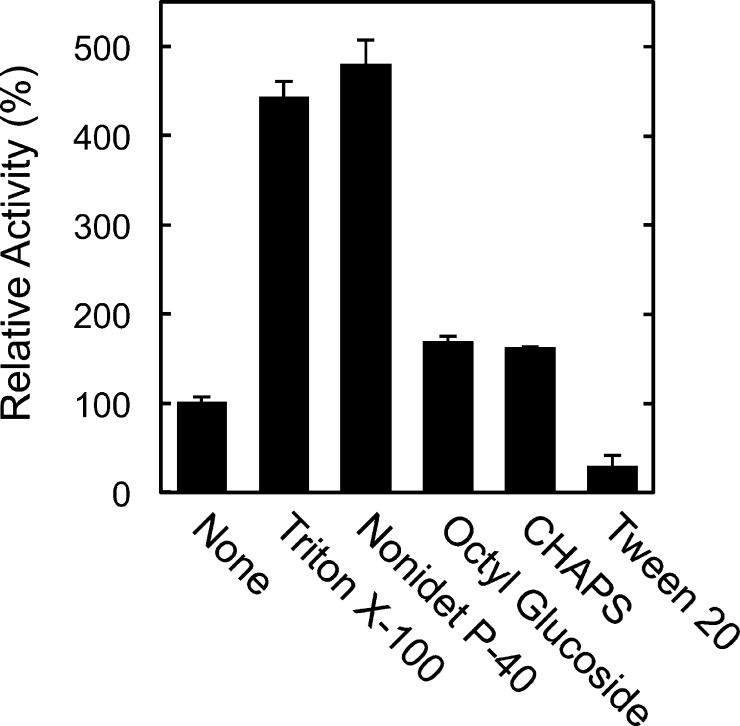
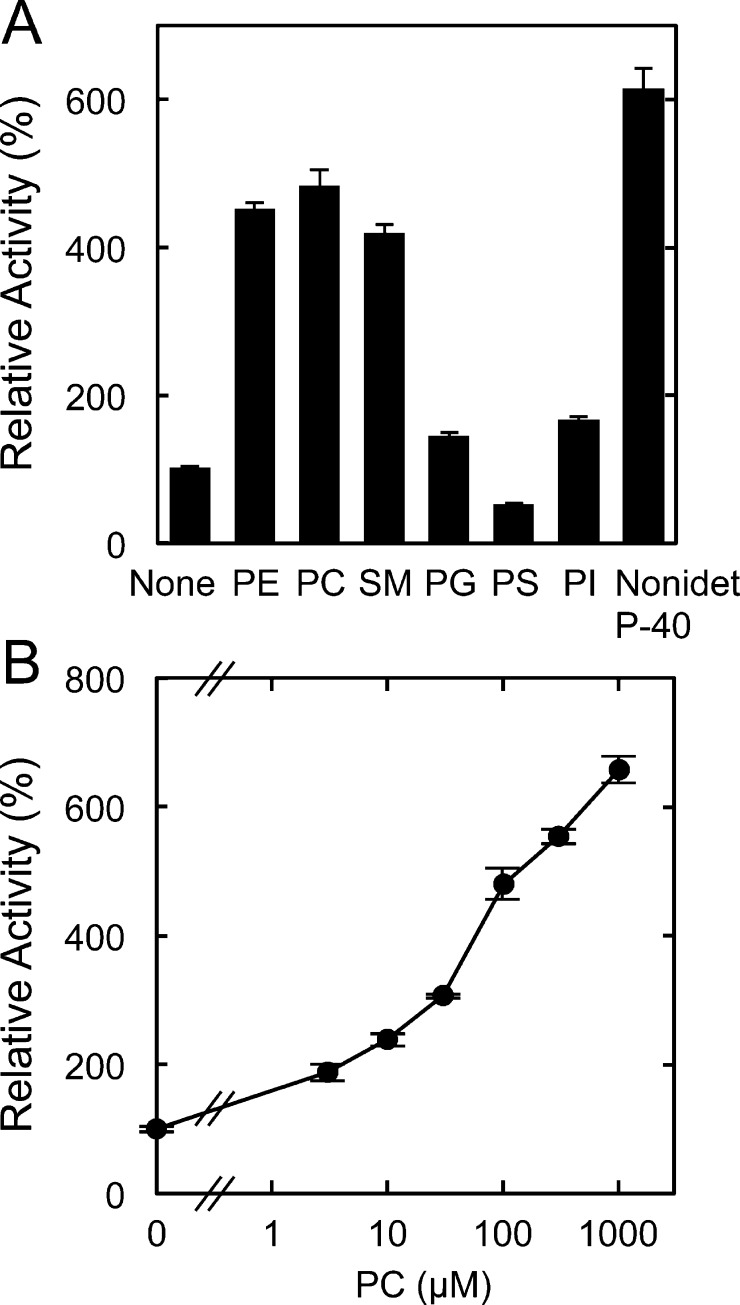
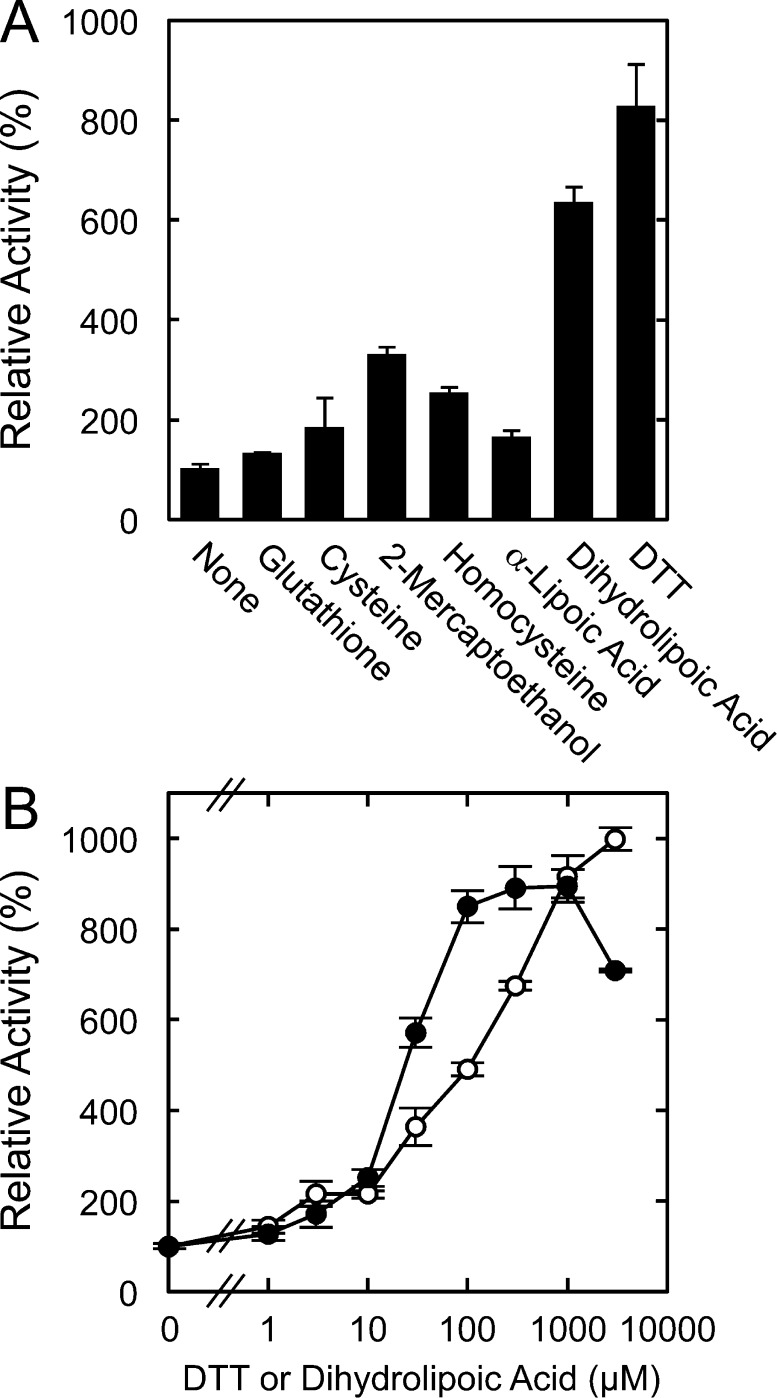
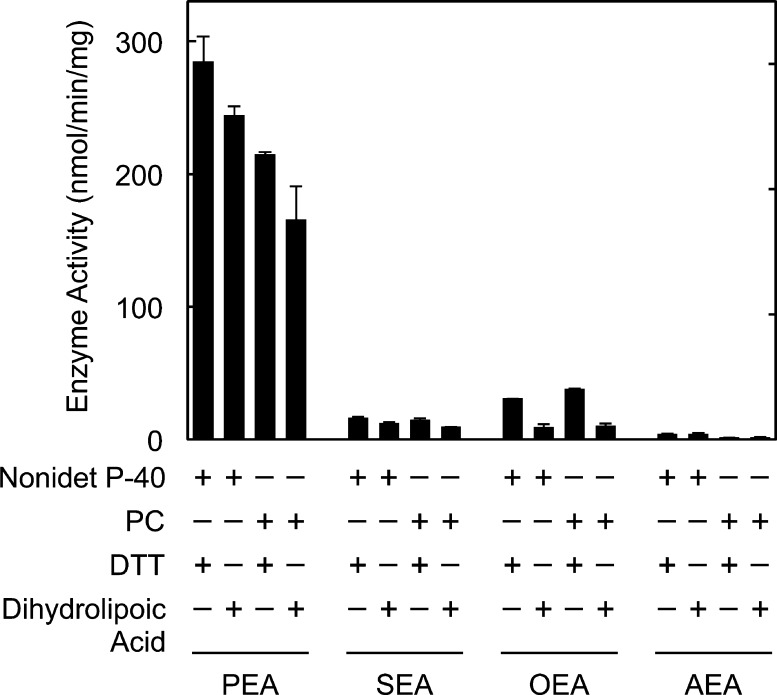
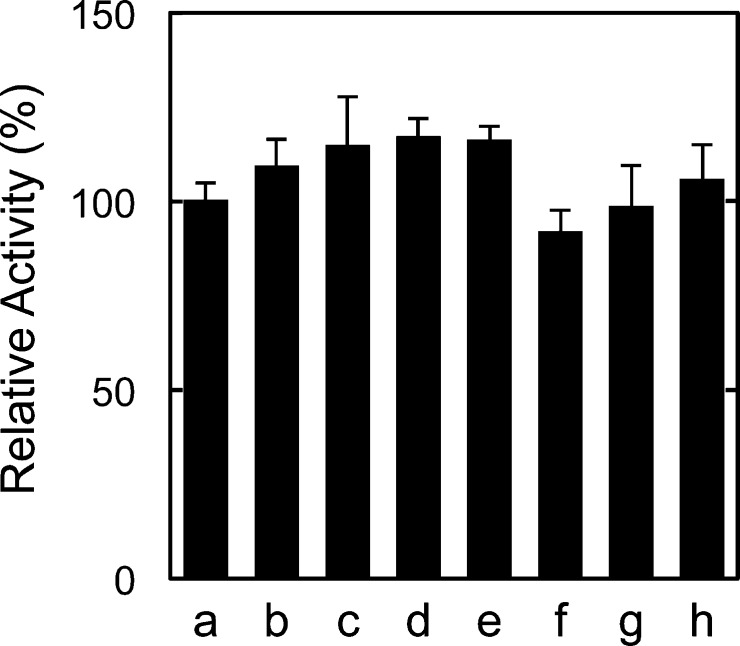
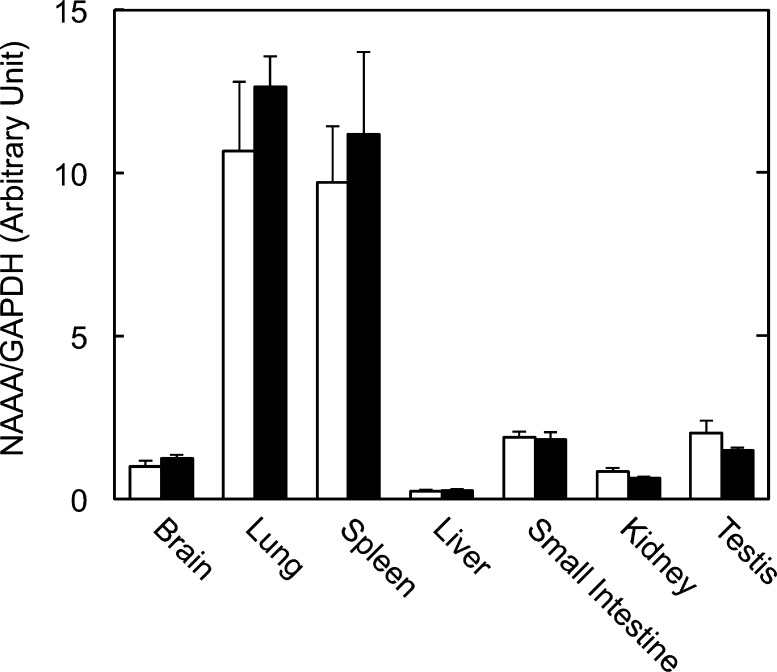
Fatty acid amide hydrolase (FAAH) plays the central role in the degradation of bioactive N-acylethanolamines such as the endocannabinoid arachidonoylethanolamide (anandamide) in brain and peripheral tissues. A lysosomal enzyme referred to as N-acylethanolamine-hydrolyzing acid amidase (NAAA) catalyzes the same reaction with preference to palmitoylethanolamide, an endogenous analgesic and neuroprotective substance, and is therefore expected as a potential target of therapeutic drugs. In the in vitro assays thus far performed, the maximal activity of NAAA was achieved in the presence of both nonionic detergent (Triton X-100 or Nonidet P-40) and the SH reagent dithiothreitol. However, endogenous molecules that might substitute for these synthetic compounds remain poorly understood. Here, we examined stimulatory effects of endogenous phospholipids and thiol compounds on recombinant NAAA. Among different phospholipids tested, choline- or ethanolamine-containing phospholipids showed potent effects, and 1 mM phosphatidylcholine increased NAAA activity by 6.6-fold. Concerning endogenous thiol compounds, dihydrolipoic acid at 0.1-1 mM was the most active, causing 8.5-9.0-fold stimulation. These results suggest that endogenous phospholipids and dihydrolipoic acid may contribute in keeping NAAA active in lysosomes. Even in the presence of phosphatidylcholine and dihydrolipoic acid, however, the preferential hydrolysis of palmitoylethanolamide was unaltered. We also investigated a possible compensatory induction of NAAA mRNA in brain and other tissues of FAAH-deficient mice. However, NAAA expression levels in all the tissues examined were not significantly altered from those in wild-type mice.
Keywords: N-Acylethanolamine-hydrolyzing acid amidase; NAAA; dihydrolipoic acid; fatty acid amide hydrolase; palmitoylethanolamide; phospholipid.
Figures
References
-
- Schmid H. H. O.; Schmid P. C.; Natarajan V. (1990) N-Acylated glycerophospholipids and their derivatives. Prog. Lipid Res. 29, 1–43. - PubMed
-
- Devane W. A.; Hanuš L.; Breuer A.; Pertwee R. G.; Stevenson L. A.; Griffin G.; Gibson D.; Mandelbaum A.; Etinger A.; Mechoulam R. (1992) Isolation and structure of a brain constituent that binds to the cannabinoid receptor. Science 258, 1946–1949. - PubMed
-
- Zygmunt P. M.; Petersson J.; Andersson D. A.; Chuang H.; Sørgård M.; Di Marzo V.; Julius D.; Högestätt E. D. (1999) Vanilloid receptors on sensory nerves mediate the vasodilator action of anandamide. Nature 400, 452–457. - PubMed
-
- Pertwee R. G.; Howlett A. C.; Abood M. E.; Alexander S. P. H; Di Marzo V.; Elphick M. R.; Greasley P. J.; Hansen H. S.; Kunos G.; Mackie K.; Mechoulam R.; Ross R. A. (2010) International union of basic and clinical pharmacology. LXXIX. Cannabinoid receptors and their ligands: beyond CB1 and CB2. Pharmacol. Rev. 62, 588–631. - PMC - PubMed
-
- Calignano A.; La Rana G.; Giuffrida A.; Piomelli D. (1998) Control of pain initiation by endogenous cannabinoids. Nature 394, 277–281. - PubMed
Publication types
MeSH terms
Substances
LinkOut - more resources
Full Text Sources
Molecular Biology Databases
