


Normal tissue protection for improving radiotherapy: Where are the Gaps?
- PMID: 22866245
- PMCID: PMC3411185
Normal tissue protection for improving radiotherapy: Where are the Gaps?
Abstract
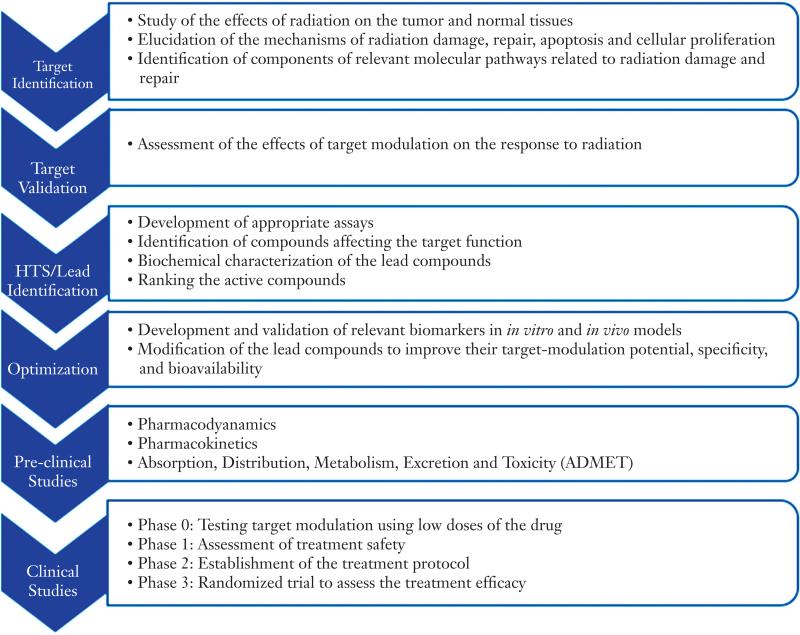
Any tumor could be controlled by radiation therapy if sufficient dose were delivered to all tumor cells. Although technological advances in physical treatment delivery have been developed to allow more radiation dose conformity, normal tissues are invariably included in any radiation field within the tumor volume and also as part of the exit and entrance doses relevant for particle therapy. Mechanisms of normal tissue injury and related biomarkers are now being investigated, facilitating the discovery and development of a next generation of radiation protectors and mitigators. Bringing recent research advances stimulated by development of radiation countermeasures for mass casualties, to clinical cancer care requires understanding the impact of protectors and mitigators on tumor response. These may include treatments that modify cellular damage and death processes, inflammation, alteration of normal flora, wound healing, tissue regeneration and others, specifically to counter cancer site-specific adverse effects to improve outcome of radiation therapy. Such advances in knowledge of tissue and organ biology, mechanisms of injury, development of predictive biomarkers and mechanisms of radioprotection have re-energized the field of normal tissue protection and mitigation. Since various factors, including organ sensitivity to radiation, cellular turnover rate, and differences in mechanisms of injury manifestation and damage response vary among tissues, successful development of radioprotectors/mitigators/treatments may require multiple approaches to address cancer site specific needs. In this review, we discuss examples of important adverse effects of radiotherapy (acute and intermediate to late occurring, when it is delivered either alone or in conjunction with chemotherapy, and important limitations in the current approaches of using radioprotectors and/or mitigators for improving radiation therapy. Also, we are providing general concepts for drug development for improving radiation therapy.
Figures
References
-
- Vikram B, Coleman CN, Deye JA. Current status and future potential of advanced technologies in radiation oncology. Part 1. Challenges and resources. Oncology. 2009;23:279–83. Williston Park. - PubMed
-
- Dorr W, Hendry JH. Consequential late effects in normal tissues. Radiother Oncol. 2001;61:223–31. - PubMed
-
- Johannesen TB, Lien HH, Hole KH, et al. Radiological and clinical assessment of long-term brain tumour survivors after radiotherapy. Radiother Oncol. 2003;69:169–76. - PubMed
-
- Coleman CN, Blakely WF, Fike JR, et al. Molecular and cellular biology of moderate-dose (1-10 Gy) radiation and potential mechanisms of radiation protection: report of a workshop at Bethesda, Maryland, December 17-18, 2001. Radiat Res. 2003;159:812–34. - PubMed
-
- Rose-Ped AM, Bellm LA, Epstein JB, et al. Complications of radiation therapy for head and neck cancers. The patient's perspective. Cancer Nurs. 2002;25:461–7. - PubMed
Grants and funding
LinkOut - more resources
Full Text Sources
Other Literature Sources