


MyD88-dependent signaling influences fibrosis and alternative macrophage activation during Staphylococcus aureus biofilm infection
- PMID: 22879997
- PMCID: PMC3411753
- DOI: 10.1371/journal.pone.0042476
MyD88-dependent signaling influences fibrosis and alternative macrophage activation during Staphylococcus aureus biofilm infection
Abstract
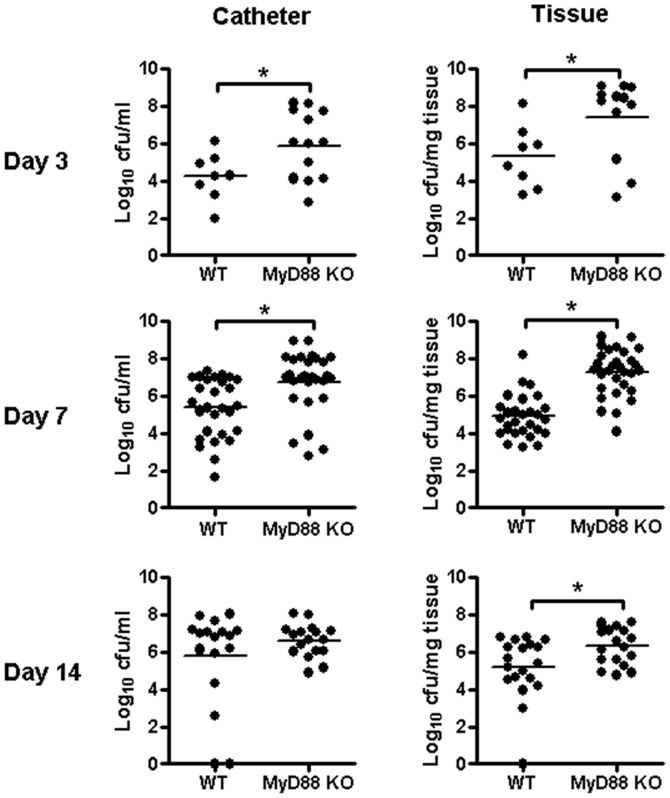
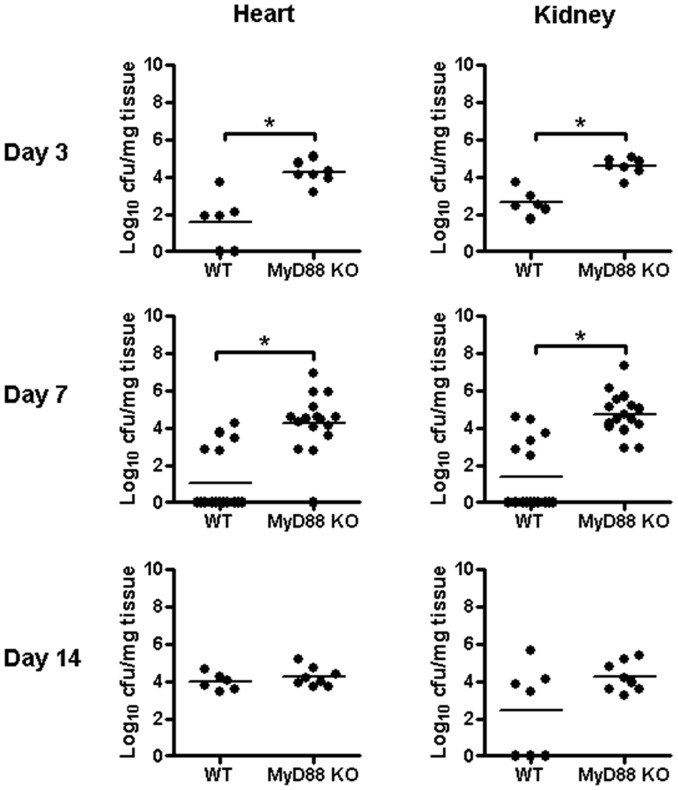
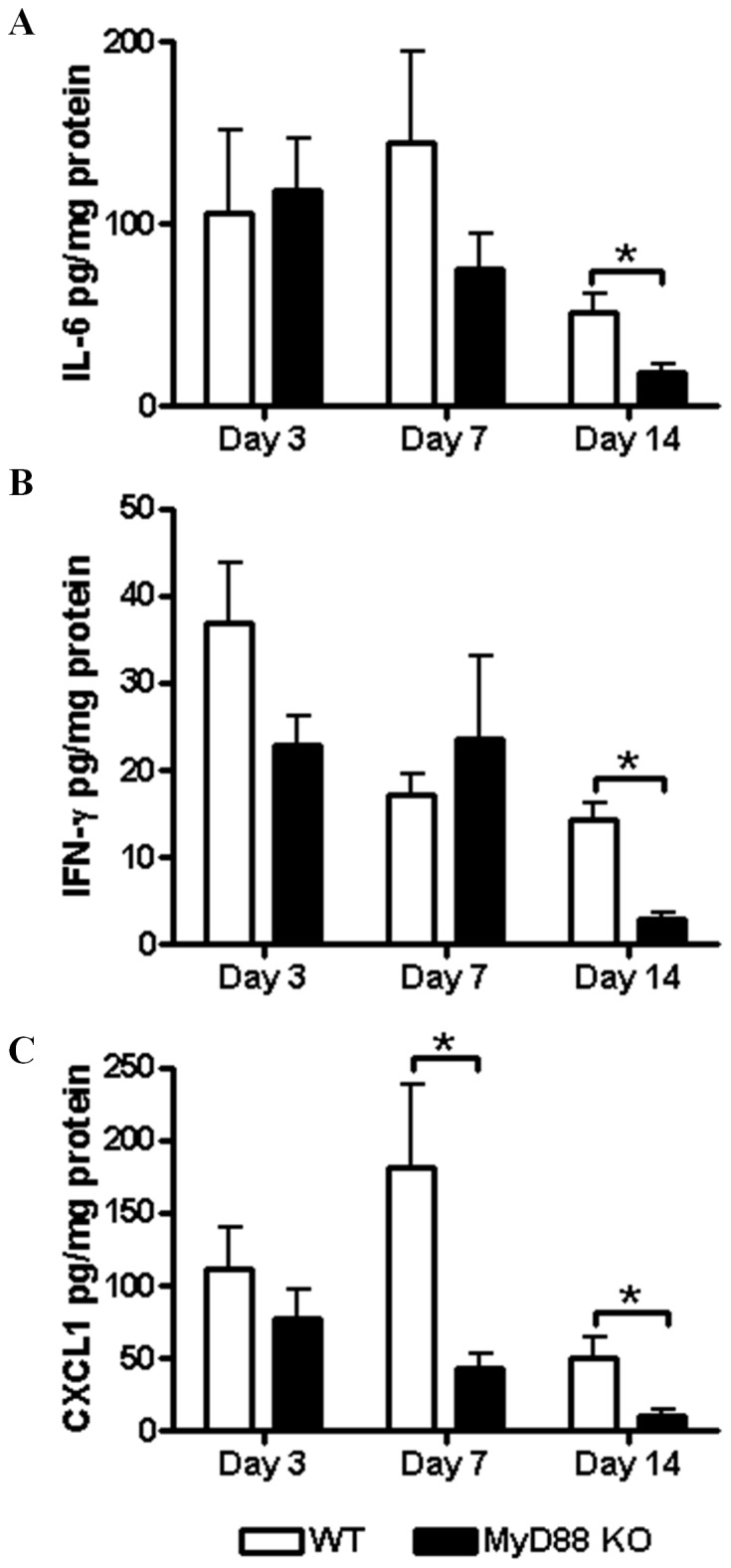
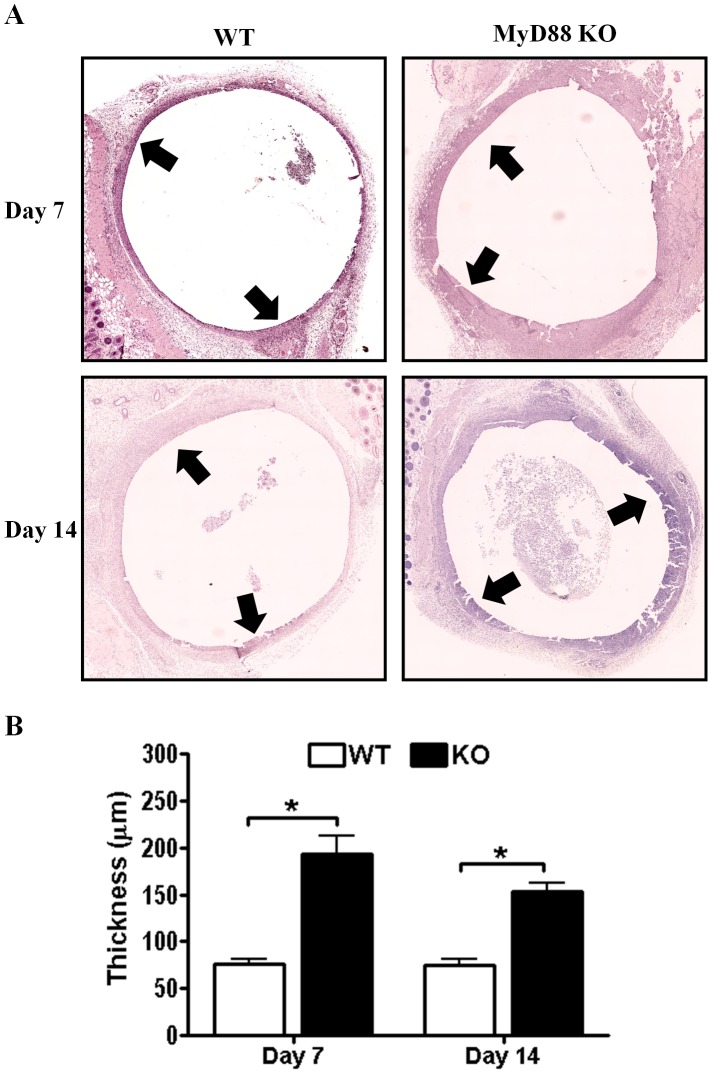
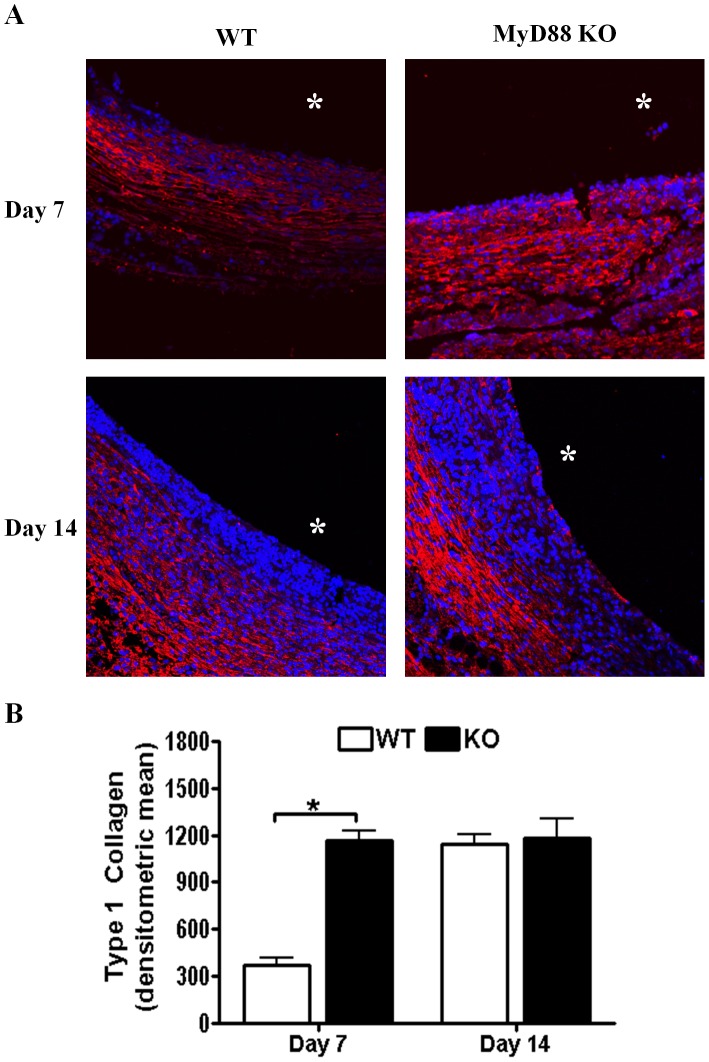
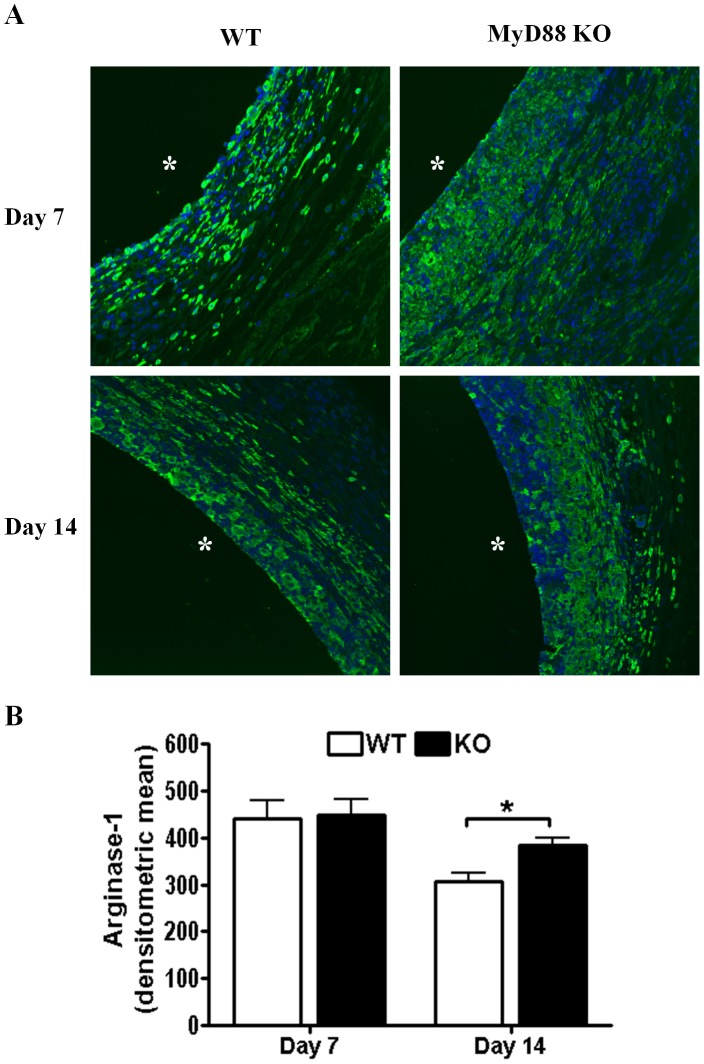
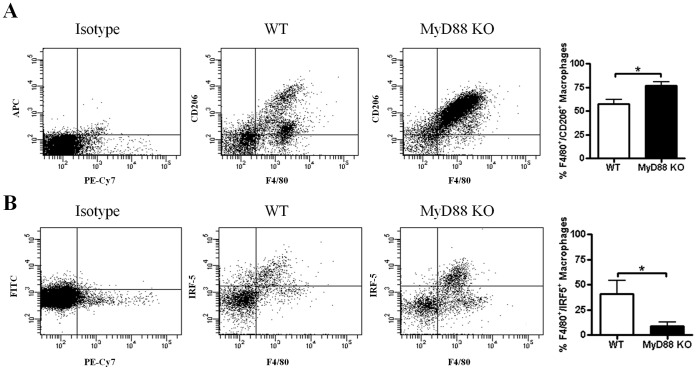
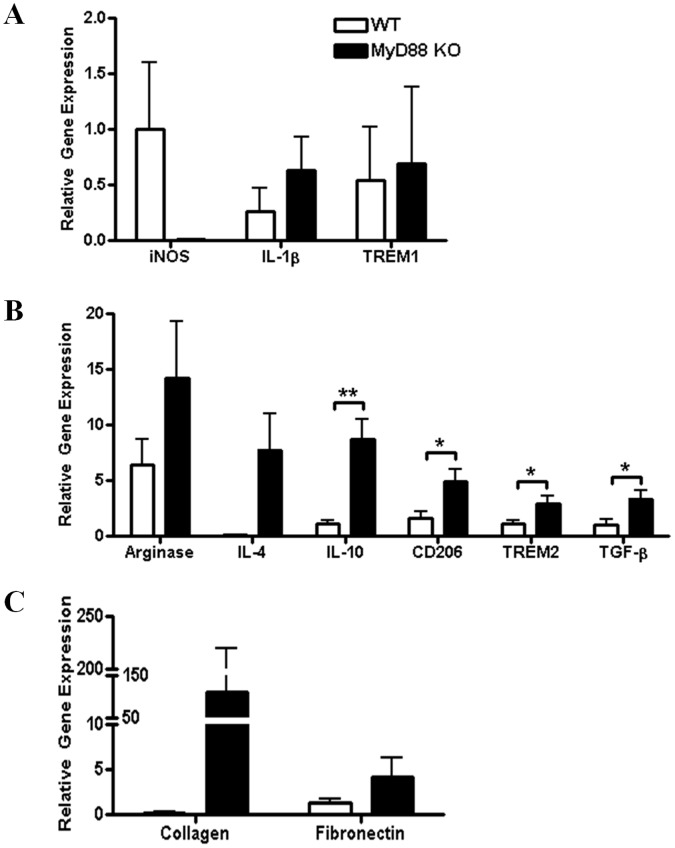
Bacterial biofilms represent a significant therapeutic challenge based on their ability to evade host immune and antibiotic-mediated clearance. Recent studies have implicated IL-1β in biofilm containment, whereas Toll-like receptors (TLRs) had no effect. This is intriguing, since both the IL-1 receptor (IL-1R) and most TLRs impinge on MyD88-dependent signaling pathways, yet the role of this key adaptor in modulating the host response to biofilm growth is unknown. Therefore, we examined the course of S. aureus catheter-associated biofilm infection in MyD88 knockout (KO) mice. MyD88 KO animals displayed significantly increased bacterial burdens on catheters and surrounding tissues during early infection, which coincided with enhanced dissemination to the heart and kidney compared to wild type (WT) mice. The expression of several proinflammatory mediators, including IL-6, IFN-γ, and CXCL1 was significantly reduced in MyD88 KO mice, primarily at the later stages of infection. Interestingly, immunofluorescence staining of biofilm-infected tissues revealed increased fibrosis in MyD88 KO mice concomitant with enhanced recruitment of alternatively activated M2 macrophages. Taken in the context of previous studies with IL-1β, TLR2, and TLR9 KO mice, the current report reveals that MyD88 signaling is a major effector pathway regulating fibrosis and macrophage polarization during biofilm formation. Together these findings represent a novel example of the divergence between TLR and MyD88 action in the context of S. aureus biofilm infection.
Conflict of interest statement
Figures

References
-
- Fowler VG, Olsen MK, Corey GR, Woods CW, Cabell CH, et al. (2003) Clinical identifiers of complicated Staphylococcus aureus bacteremia. Arch Intern Med 163: 2066–2072. - PubMed
-
- Fitzpatrick F, Humphreys H, O’Gara JP (2005) The genetics of staphylococcal biofilm formation–will a greater understanding of pathogenesis lead to better management of device-related infection? Clin Microbiol Infect 11: 967–973. - PubMed
Publication types
MeSH terms
Substances
Grants and funding
LinkOut - more resources
Full Text Sources
Other Literature Sources
Medical
Molecular Biology Databases
Research Materials
