


Resveratrol as a calorie restriction mimetic: therapeutic implications
- PMID: 22885100
- PMCID: PMC3462230
- DOI: 10.1016/j.tcb.2012.07.004
Resveratrol as a calorie restriction mimetic: therapeutic implications
Abstract
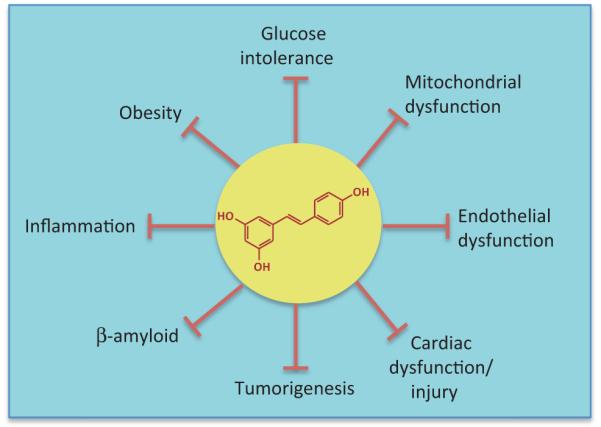
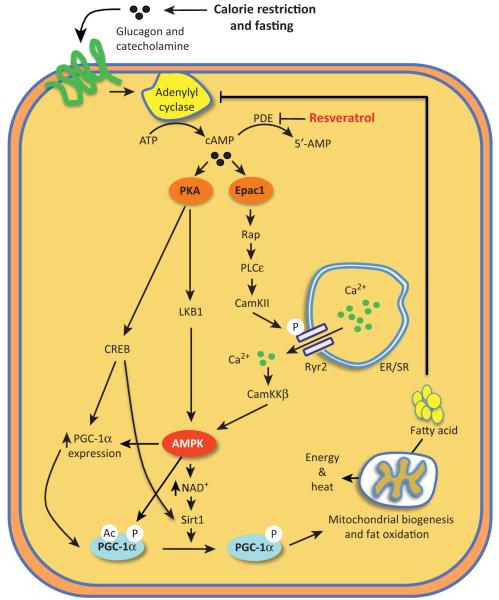
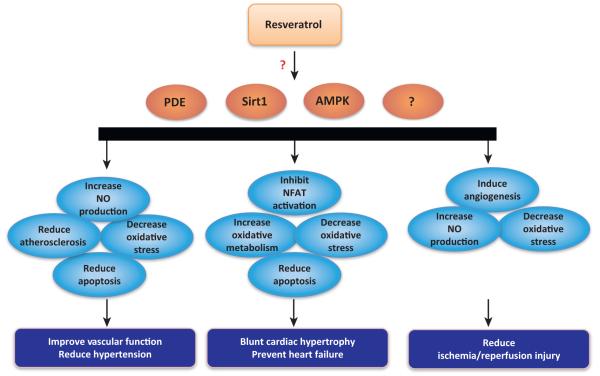
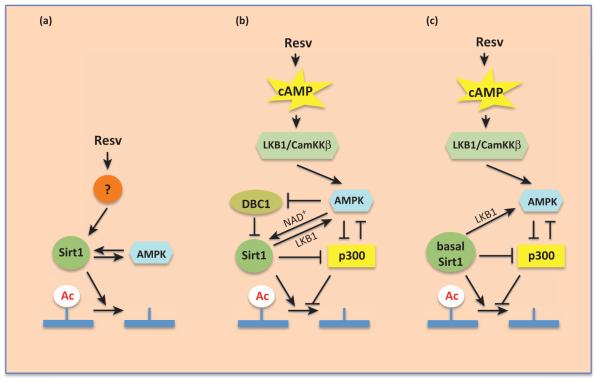
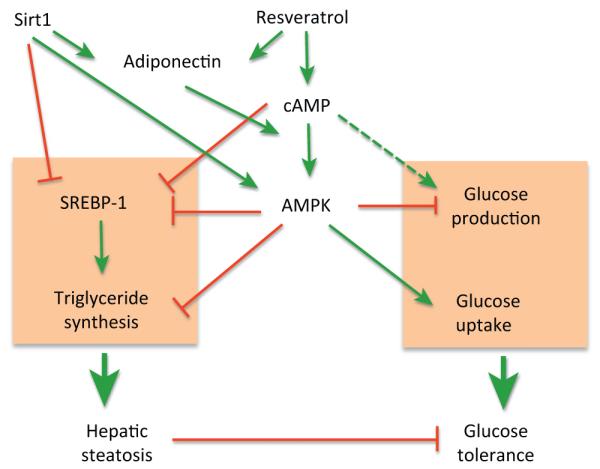
It is widely believed that calorie restriction (CR) can extend the lifespan of model organisms and protect against aging-related diseases. A potential CR mimetic is resveratrol, which may have beneficial effects against numerous diseases such as type 2 diabetes, cardiovascular diseases, and cancer in tissue culture and animal models. However, resveratrol in its current form is not ideal as therapy, because even at very high doses it has modest efficacy and many downstream effects. Identifying the cellular targets responsible for the effects of resveratrol and developing target-specific therapies will be helpful in increasing the efficacy of this drug without increasing its potential adverse effects. A recent discovery suggests that the metabolic effects of resveratrol may be mediated by inhibiting cAMP phosphodiesterases (PDEs), particularly PDE4. Here, we review the current literature on the metabolic and cardiovascular effects of resveratrol and attempt to shed light on the controversies surrounding its action.
Published by Elsevier Ltd.
Figures
References
-
- McCay CM, et al. The effect of retarded growth upon the lebgth of life span and ultimate body size. J. Nutr. 1935;10:63–79. - PubMed
-
- Guarente L. Franklin H. Epstein Lecture: sirtuins, aging, and medicine. N. Engl. J. Med. 2011;364:2235–2244. - PubMed
-
- Lin SJ, et al. Requirement of NAD and SIR2 for life-span extension by calorie restriction in Saccharomyces cerevisiae. Science. 2000;289:2126–2128. - PubMed
Publication types
MeSH terms
Substances
Grants and funding
LinkOut - more resources
Full Text Sources
Other Literature Sources
