


Uptake and persistence of Mycobacterium avium subsp. paratuberculosis in human monocytes
- PMID: 22890992
- PMCID: PMC3486062
- DOI: 10.1128/IAI.00534-12
Uptake and persistence of Mycobacterium avium subsp. paratuberculosis in human monocytes
Abstract
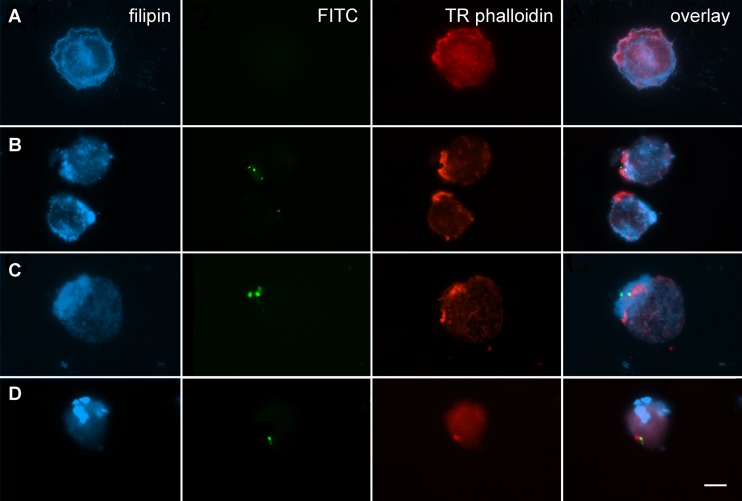
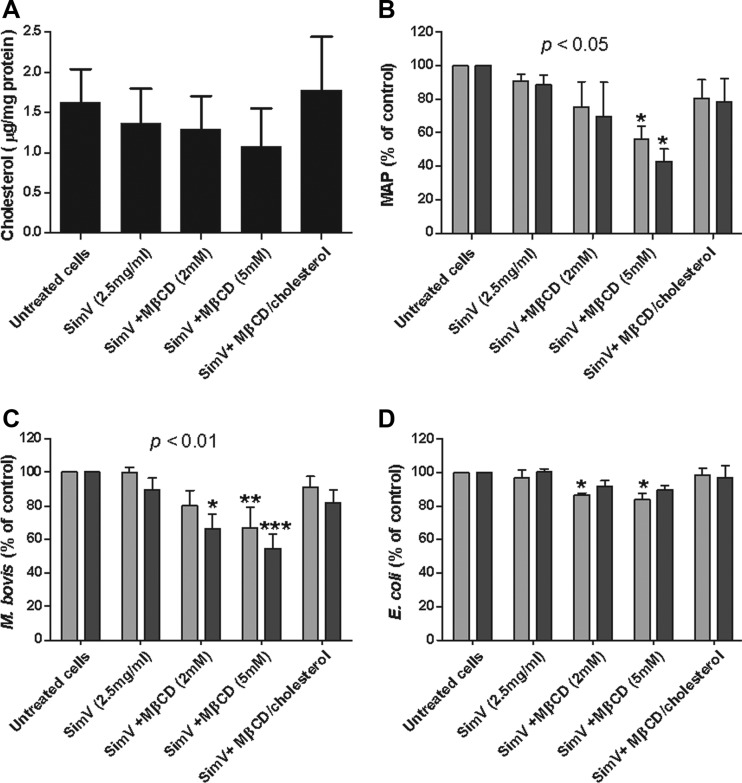
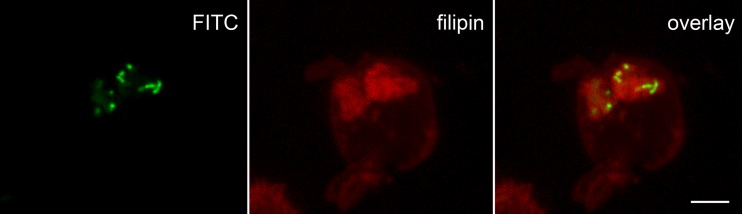
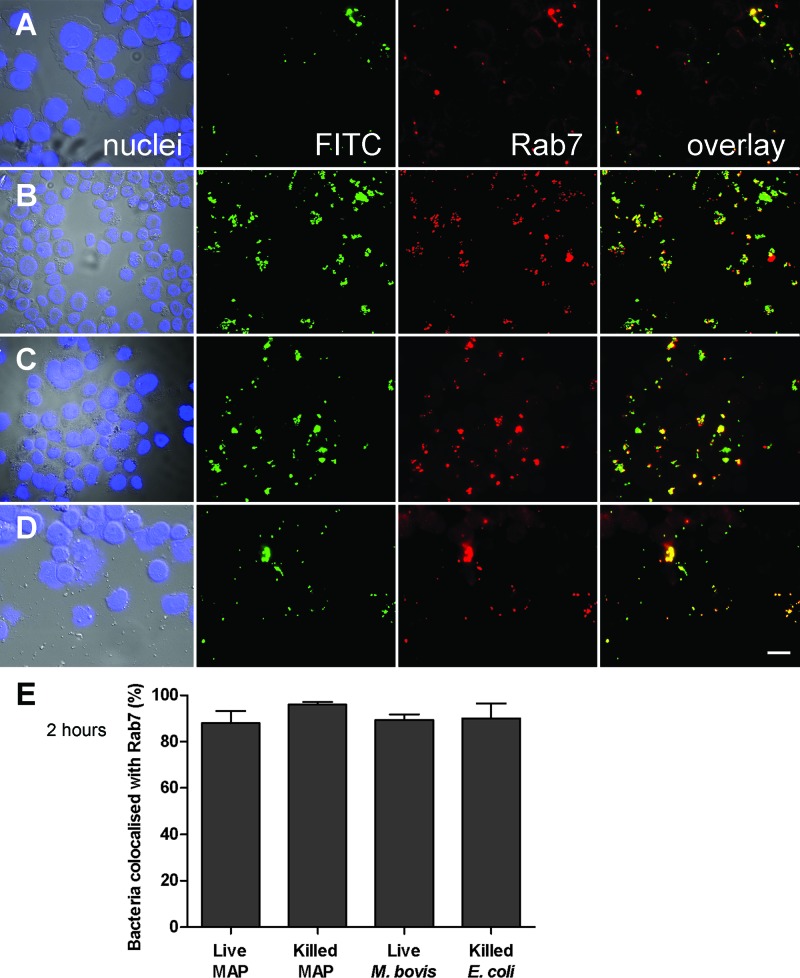
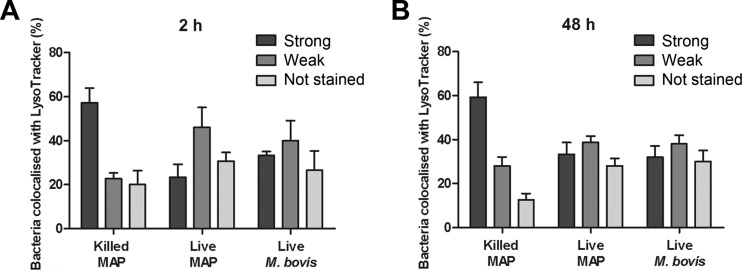
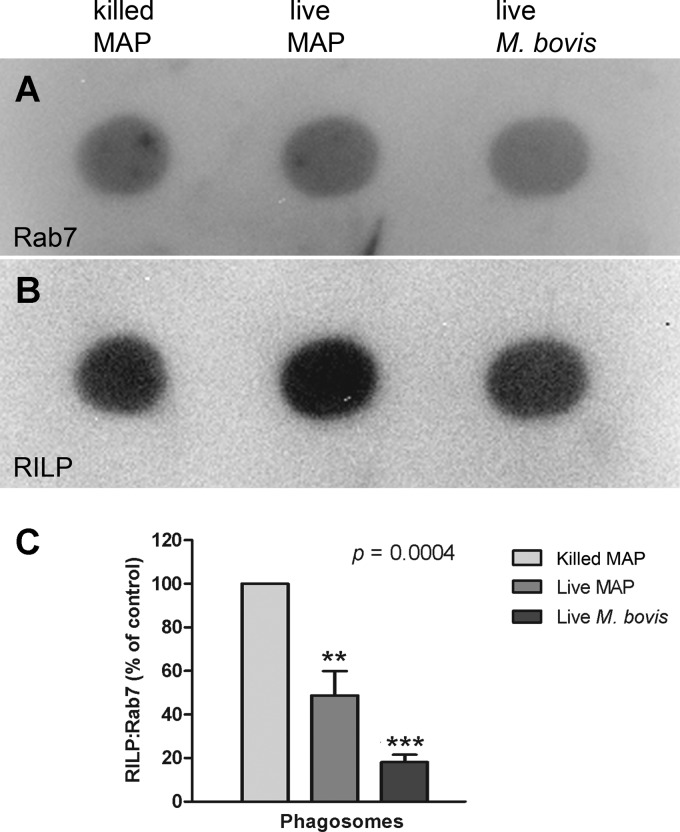
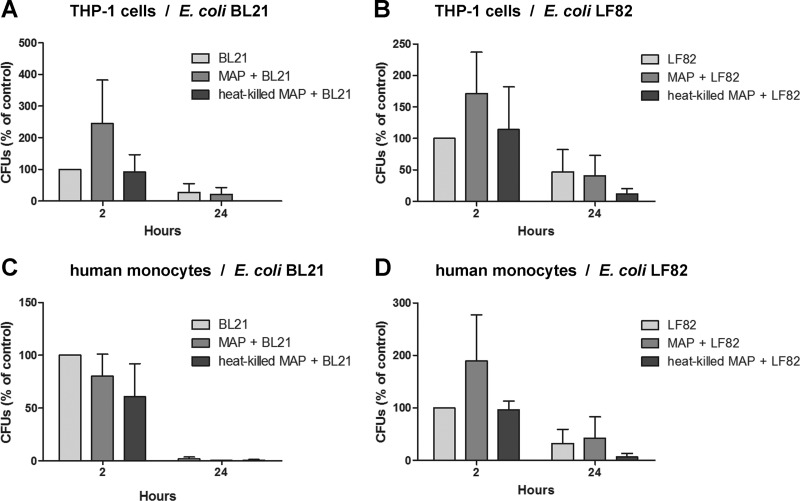
Mycobacterium avium subsp. paratuberculosis is a bacterium sometimes found in human blood and tissue samples that may have a role in the etiology of Crohn's disease in humans. To date, however, there have been few studies examining the interactions of these bacteria with human cells. Using the THP-1 human monocytic cell line, this study shows that the uptake and trafficking of M. avium subsp. paratuberculosis in human cells are cholesterol dependent and that these bacteria localize to cholesterol-rich compartments that are slow to acidify. M. avium subsp. paratuberculosis bacteria containing phagosomes stain for the late endosomal marker Rab7, but recruitment of the Rab7-interacting lysosomal protein that regulates the fusion of bacterium-containing phagosomes with lysosomal compartments and facilitates subsequent bacterial clearance is significantly reduced. Disruption of phagosome acidification via this mechanism may contribute to M. avium subsp. paratuberculosis persistence in human cells, but there was no evidence that internalized M. avium subsp. paratuberculosis also affects the survival of bacteria taken up during a secondary phagocytic event.
Figures
References
-
- Bentley RW, et al. 2008. Incidence of Mycobacterium avium subspecies paratuberculosis in a population-based cohort of patients with Crohn's disease and control subjects. Am. J. Gastroenterol. 103:1168–1172 - PubMed
-
- Cheville NF, et al. 2001. Intracellular trafficking of Mycobacterium avium ss. paratuberculosis in macrophages. Dtsch. Tierarztl. Wochenschr. 108:236–243 - PubMed
Publication types
MeSH terms
Substances
LinkOut - more resources
Full Text Sources
Molecular Biology Databases
