


Derivation of feline vaccine-associated fibrosarcoma cell line and its growth on chick embryo chorioallantoic membrane - a new in vivo model for veterinary oncological studies
- PMID: 22893503
- PMCID: PMC3496557
- DOI: 10.1007/s11259-012-9535-9
Derivation of feline vaccine-associated fibrosarcoma cell line and its growth on chick embryo chorioallantoic membrane - a new in vivo model for veterinary oncological studies
Abstract
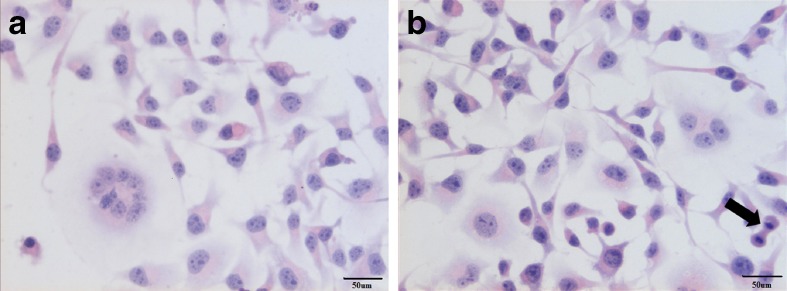
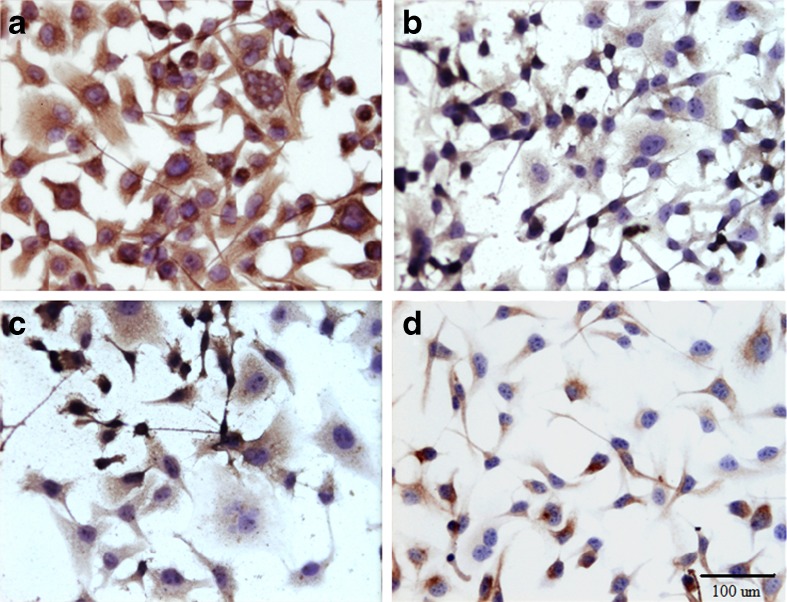
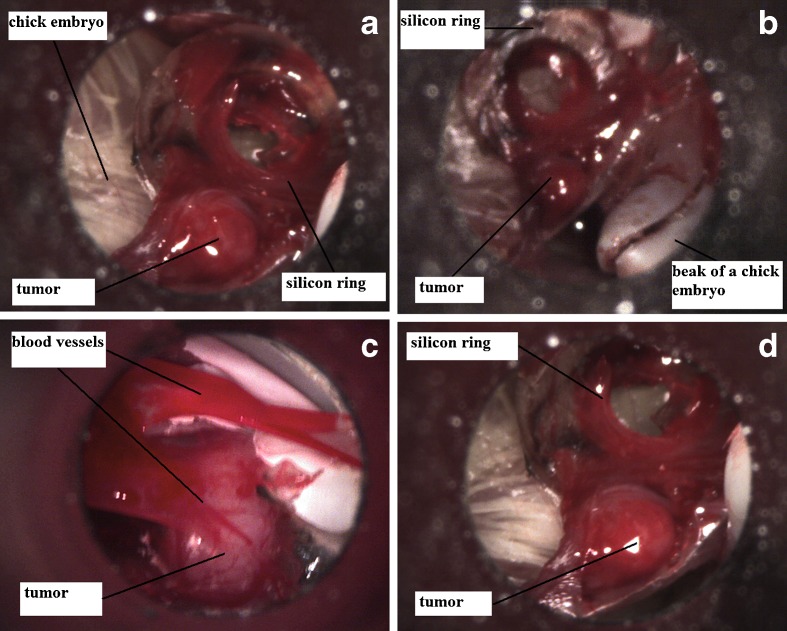
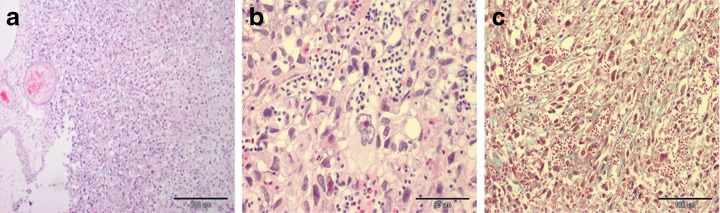
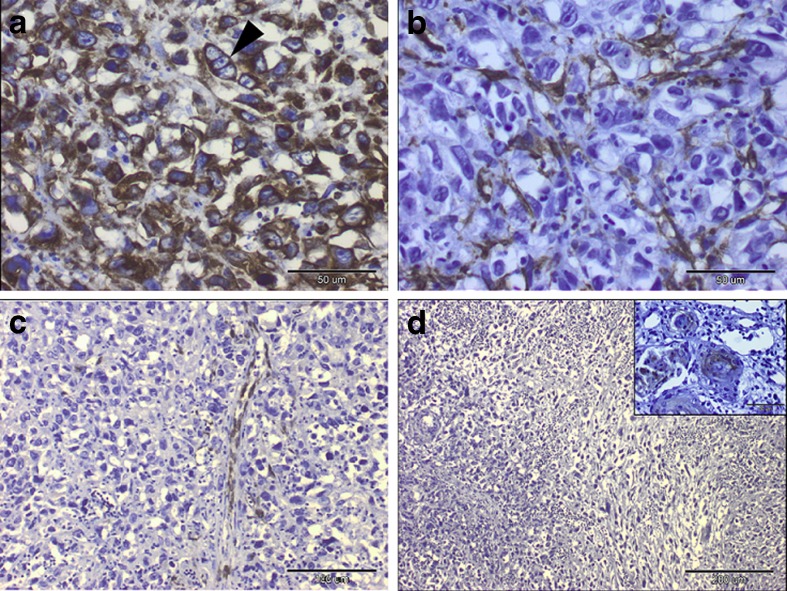
Feline vaccine associated fibrosarcomas are the second most common skin tumor in cats. Methods of treatment are: surgery, chemotherapy and radiotherapy. Nevertheless, the usage of cytostatics in feline vaccine associated sarcoma therapy is limited due to their adverse side effects, high toxicity and low biodistribution after i.v. injection. Therefore, much research on new therapeutic drugs is being conducted. In human medicine, the chick embryo chorioallantoic membrane (CAM) model is used as a cheap and easy to perform assay to assess new drug effectiveness in cancer treatment. Various human cell lines have different tumors growth on CAM. In veterinary medicine such model has not been described yet. In the present article derivation of feline vaccine associated fibrosarcoma cell line and its growth on CAM is described. The cell line and the tumor grown were confirmed by histopathological and immunohistochemical examination. As far as we believe, this is the first attempt to create such model, which may be used for further in vivo studies in veterinary oncology.
Figures
References
-
- Armstrong BP, Quigley JP, Sidebottom E. Transepithelial invasion and intramesenchymal infiltration of the chick embryo chorioallantoic membrane by tumor cell lines. J Biol Chem. 1982;42:1826–1837. - PubMed
-
- Dagg CP, Karnofsky DA, Roddy J. growth of transplantable human tumors in the chick embryo and hatched chick. Cancer Res. 1956;16(7):589–594. - PubMed
MeSH terms
LinkOut - more resources
Full Text Sources
Medical
Research Materials
Miscellaneous
