


New insights on stromules: stroma filled tubules extended by independent plastids
- PMID: 22899053
- PMCID: PMC3489645
- DOI: 10.4161/psb.21342
New insights on stromules: stroma filled tubules extended by independent plastids
Abstract
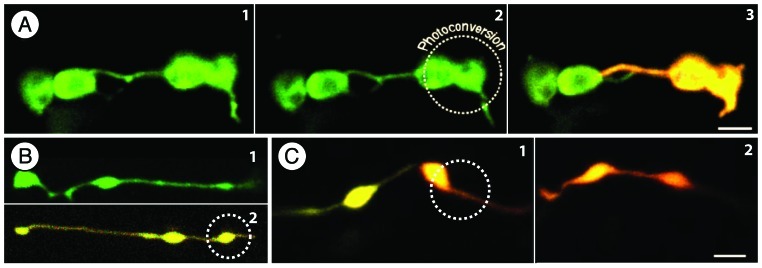
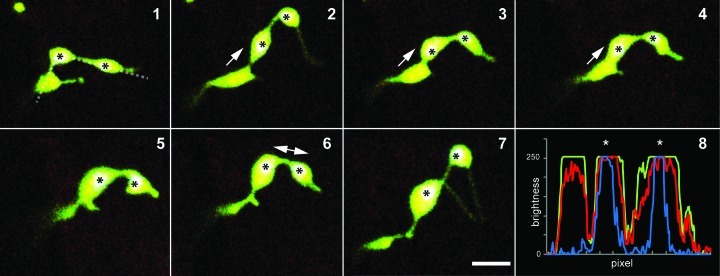
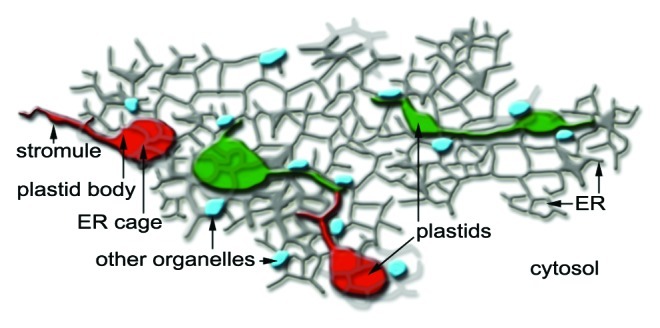
The recognition of stromules as sporadically extended stroma filled tubules from all kinds of plastids constitutes one of the major insights that resulted from the direct application of green fluorescent protein aided imaging of living plant cells. Observations of dynamic green fluorescent stromules strongly suggested that plastids frequently interact with each other while photo-bleaching of interconnected plastids indicated that proteins can move within the stroma filled tubules. These observations readily fit into the prevailing concept of the endosymbiogenic origins of plastids and provided stromules the status of conduits for inter-plastid communication and macromolecule transfer. However, experimental evidence obtained recently through the use of photoconvertible protein labeled stromules strongly supports plastid independence rather than their interconnectivity. Additional information on stress conditions inducing stromules and observations on their alignment with other organelles suggests that the major role of stromules is to increase the interactive surface of a plastid with the rest of the cytoplasm.
Figures
References
-
- Haberlandt G. Die chlorophyllkorper der selaginellen. Flora. 1888;71:291–308.
-
- Menzel D. An interconnected plastidom in Acetabularia: Implications for the mechanism of chloroplast motility. Protoplasma. 1994;179:166–71. doi: 10.1007/BF01403955. - DOI
-
- Köhler RH, Hanson MR. Plastid tubules of higher plants are tissue-specific and developmentally regulated. J Cell Sci. 2000;113:81–9. - PubMed
Publication types
MeSH terms
Substances
LinkOut - more resources
Full Text Sources
