. 2012 Oct 4;490(7418):107-11.
doi: 10.1038/nature11351. Epub 2012 Aug 19.

Rapid induction of inflammatory lipid mediators by the inflammasome in vivo

Affiliations

Rapid induction of inflammatory lipid mediators by the inflammasome in vivo

Jakob von Moltke et al. Nature. .

Abstract

Detection of microbial products by host inflammasomes is an important mechanism of innate immune surveillance. Inflammasomes activate the caspase-1 (CASP1) protease, which processes the cytokines interleukin (IL)-1β and IL-18, and initiates a lytic host cell death called pyroptosis. To identify novel CASP1 functions in vivo, we devised a strategy for cytosolic delivery of bacterial flagellin, a specific ligand for the NAIP5 (NLR family, apoptosis inhibitory protein 5)/NLRC4 (NLR family, CARD-domain-containing 4) inflammasome. Here we show that systemic inflammasome activation by flagellin leads to a loss of vascular fluid into the intestine and peritoneal cavity, resulting in rapid (less than 30 min) death in mice. This unexpected response depends on the inflammasome components NAIP5, NLRC4 and CASP1, but is independent of the production of IL-1β or IL-18. Instead, inflammasome activation results, within minutes, in an 'eicosanoid storm'--a pathological release of signalling lipids, including prostaglandins and leukotrienes, that rapidly initiate inflammation and vascular fluid loss. Mice deficient in cyclooxygenase-1, a critical enzyme in prostaglandin biosynthesis, are resistant to these rapid pathological effects of systemic inflammasome activation by either flagellin or anthrax lethal toxin. Inflammasome-dependent biosynthesis of eicosanoids is mediated by the activation of cytosolic phospholipase A(2) in resident peritoneal macrophages, which are specifically primed for the production of eicosanoids by high expression of eicosanoid biosynthetic enzymes. Our results therefore identify eicosanoids as a previously unrecognized cell-type-specific signalling output of the inflammasome with marked physiological consequences in vivo.


Figures
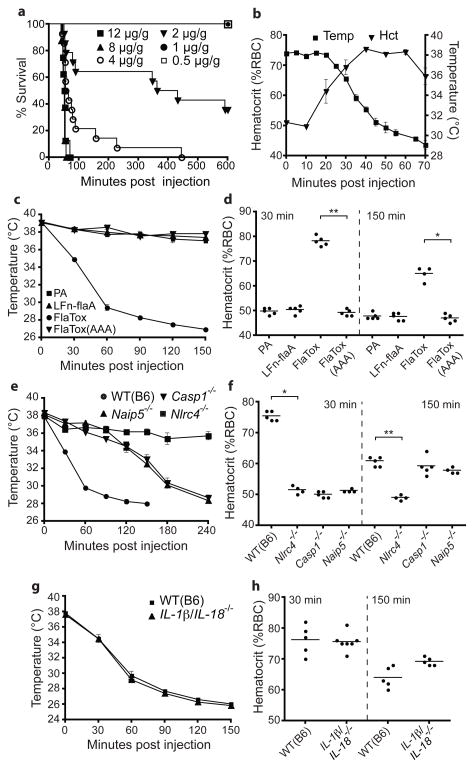
Figure 1
Figure 1. Systemic cytosolic delivery of flagellin in vivo induces NAIP5/NLRC4-dependent but IL-1β/IL-18-independent vascular leakage
(a–f) Mice (wild-type (B6) or indicated genotype) were injected intraperitoneally with FlaTox or indicated proteins (4 μg/g PA; 2 μg/g all others) and monitored for survival (a), hematocrit (b,d,f,h), or rectal temperature (b,c,e,g) at indicated times. Doses in (a) indicate LFn-FlaA. (a) n=5–14; (b) n=3; (c–h) n=4–7. Data shown (± s.e.m.) are pooled from multiple experiments (a) or representative of at least two independent experiments. * p = 0.016; ** p < 0.009 (Mann-Whitney t-test).
Figure 2
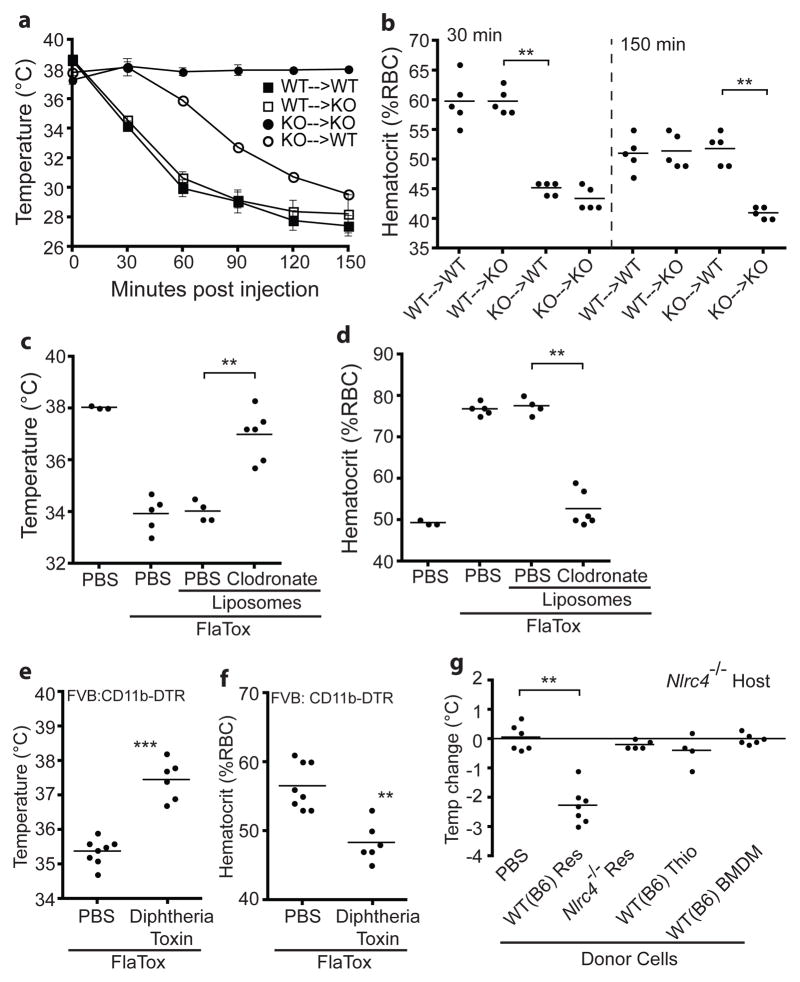
Figure 2. Resident peritoneal macrophages are critical for the early FlaTox response in vivo.
(a–f) Mice were injected intraperitoneally with FlaTox and rectal temperature (a,c,e) or hematocrit (b,d,f) were measured after 30 minutes or at indicated times. (a–b) Bone marrow chimeric mice (KO = Nlrc4−/−; n=5). (c–d) Macrophage-depleted wild-type (B6) mice (n=3–6). (e–f) CD11b+ cell depleted FVB:CD11b-DTR mice (n=6–7). (g) Nlrc4−/− host mice injected intraperitoneally with 107 resident (Res) or thioglycollate-elicited (Thio) peritoneal cells or BMDM of indicated genotype. Rectal temperature was measured 30 minutes after intraperitoneal FlaTox (8 μg/g PA + 4 μg/g LFn-FlaA) injection. Data shown (± s.e.m.) are pooled from multiple experiments (g) or representative of at least three (a–f) independent experiments. ** p < 0.01; *** p = 0.0007 (Mann-Whitney t-test).
Figure 3
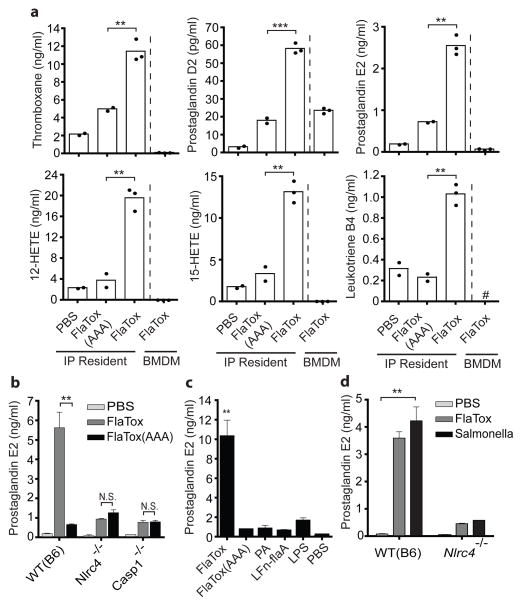
Figure 3. Inflammasome-dependent eicosanoid biosynthesis
(a) LC/MS/MS-based lipidomicsof wild-type (B6) BMDMor resident peritoneal cells incubated 30 minutes ex vivo with FlaTox (20 μg/ml PA + 10 μg/ml LFn-FlaA). (b–d) PGE2 immunoassay of resident peritoneal macrophages treated ex vivo with FlaTox (b–d), indicated proteins (d: 10 μg/ml PA, 5 μg/ml all others), lipopolysaccharide (d: 1 μg/ml), or S. typhimurium (e: MOI=5) and incubated 30 (b–c) or 180 (d) minutes. Data shown (± s.e.m.) are representative of at least two (d) or three (a,b–c) independent experiments. * p < 0.04; ** p < 0.009 *** p < 0.0005 (Student t-test). # = not detected
Figure 4
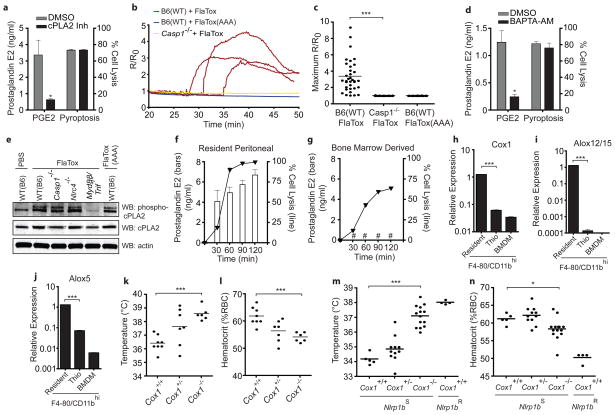
Figure 4. Mechanism and in vivo role of eicosanoid production
(a,d) PGE2 immunoassay (30 min) or LDH (2 h) on supernatants from wild-type (B6) resident peritoneal macrophages. Pre-treated 45 min with DMSO, cPLA2 inhibitor (a: pyrrophenone; 0.2 μM) or BAPTA-AM (d: 10μM) then FlaTox + DMSO/inhibitor. (b–c) Wild-type (B6) or Casp1−/− resident peritoneal macrophages treated with FlaTox or FlaTox(AAA) and calcium indicator (Fluo-4; 2.5 mM) fluorescence/background (R/R0) quantified over time. (b) Representative cell, traces. (c) Maximum R/R0 for each cell. (e) Resident peritoneal cells of indicated genotype treated 30 min as indicated. Cell lysates were probed for indicated proteins by Western blot. (f–g) resident peritoneal macrophages (f) or BMDM (g) treated with FlaTox. PGE2 (bars) and cell lysis (line) measured over time as in (a). (h–j) Expression of indicated genes measured by quantitative RT-PCR in BMDM, and resident peritoneal macrophages or thioglycollate-elicited peritoneal cells sorted for CD11b/F4-80hi. (k–n) Mice were injected intraperitoneally with FlaTox (k–l) or anthrax lethal toxin (m–n; 200 μg PA + 100 μg lethal factor) and rectal temperature (k,m) and hematocrit (l,n) were measured after 30 (k–l) or 45 (m–n) minutes. (k–l) B6;129P2-Cox1−/− mice and littermate controls. (m–n) Cox-1−/− mice and littermate controls expressing a lethal toxin sensitive (S) or resistant (R) Nlrp1b allele. Data shown (± s.e.m.) are pooled from multiple experiments (k–n) or representative of at least two (b–c, h–j) or three (a, d–g) independent experiments. * p < 0.04; ** p < 0.006 *** p < 0.0007 (k–n: Mann-Whitney t-test; a,c,d,h–j: Student t-test). # = not detected.

References

    1. Schroder K, Tschopp J. The inflammasomes. Cell. 2010;140 (6):821–832. - PubMed
    1. Kofoed EM, Vance RE. Innate immune recognition of bacterial ligands by NAIPs determines inflammasome specificity. Nature. 2011 - PMC - PubMed
    1. Zhao Y, et al. The NLRC4 inflammasome receptors for bacterial flagellin and type III secretion apparatus. Nature. 2011 - PubMed
    1. Lightfield KL, et al. Critical function for Naip5 in inflammasome activation by a conserved carboxy-terminal domain of flagellin. Nat Immunol. 2008;9 (10):1171–1178. - PMC - PubMed
    1. Case CL, Shin S, Roy CR. Asc and Ipaf Inflammasomes direct distinct pathways for caspase-1 activation in response to Legionella pneumophila. Infect Immun. 2009;77 (5):1981–1991. - PMC - PubMed

METHOD REFERENCES

    1. Mariathasan S, et al. Differential activation of the inflammasome by caspase-1 adaptors ASC and Ipaf. Nature. 2004;430 (6996):213–218. - PubMed
    1. Li P, et al. Mice deficient in IL-1 beta-converting enzyme are defective in production of mature IL-1 beta and resistant to endotoxic shock. Cell. 1995;80 (3):401–411. - PubMed
    1. Lightfield KL, et al. Critical function for Naip5 in inflammasome activation by a conserved carboxy-terminal domain of flagellin. Nat Immunol. 2008;9 (10):1171–1178. - PMC - PubMed
    1. Krantz BA, et al. A phenylalanine clamp catalyzes protein translocation through the anthrax toxin pore. Science. 2005;309 (5735):777–781. - PMC - PubMed
    1. Glomski IJ, Decatur AL, Portnoy DA. Listeria monocytogenes mutants that fail to compartmentalize listerolysin O activity are cytotoxic, avirulent, and unable to evade host extracellular defenses. Infect Immun. 2003;71 (12):6754–6765. - PMC - PubMed

Publication types

MeSH terms