


Ultra-rapid absorption of recombinant human insulin induced by zinc chelation and surface charge masking
- PMID: 22920799
- PMCID: PMC3440144
- DOI: 10.1177/193229681200600404
Ultra-rapid absorption of recombinant human insulin induced by zinc chelation and surface charge masking
Abstract
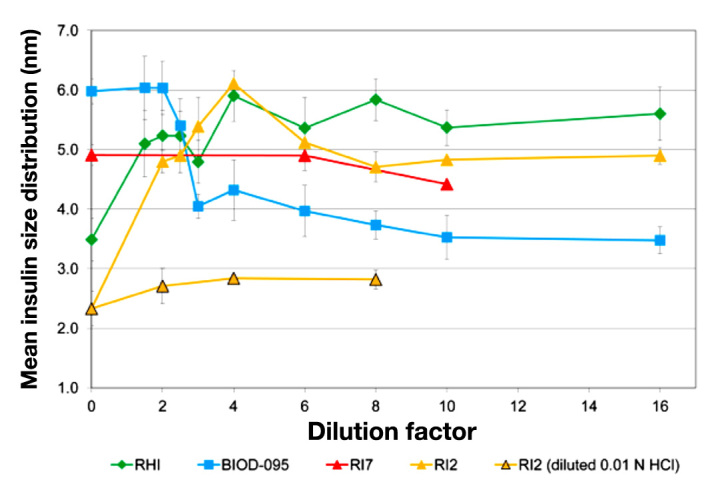
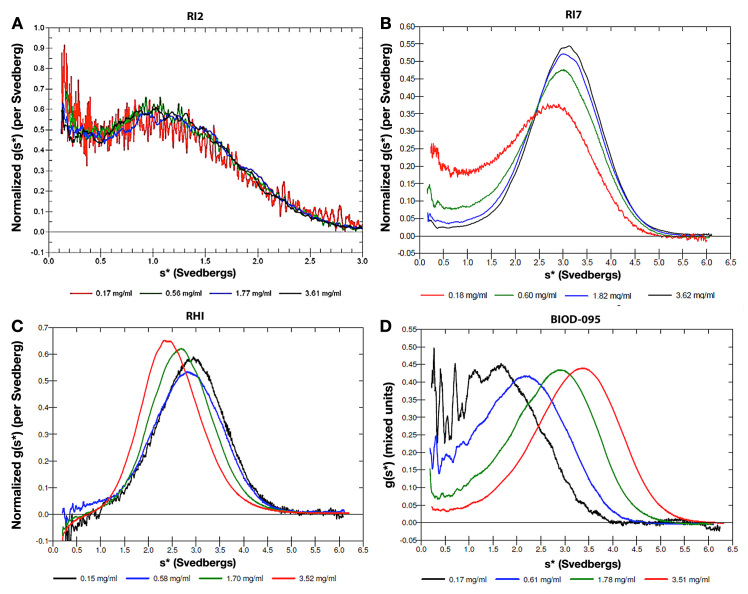
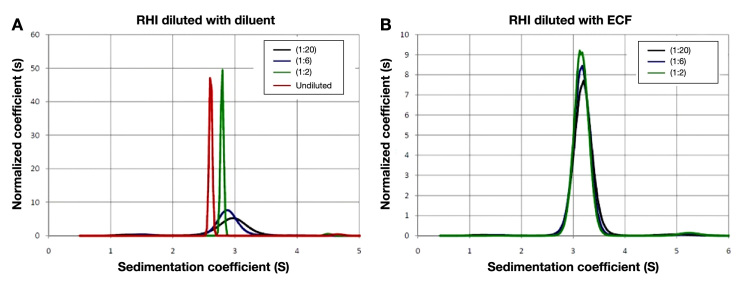
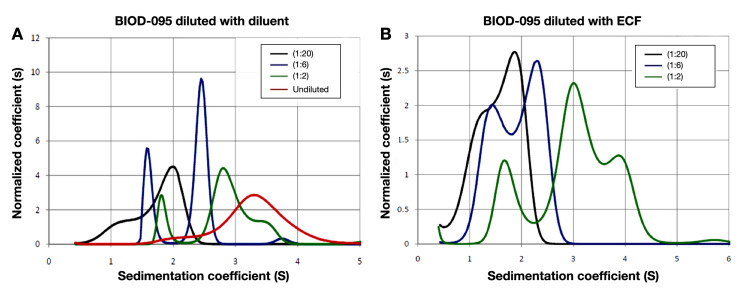
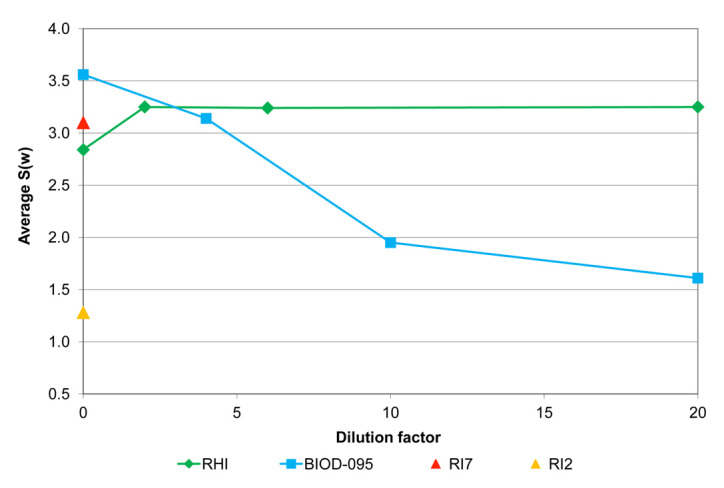
Background: In order to enhance the absorption of insulin following subcutaneous injection, excipients were selected to hasten the dissociation rate of insulin hexamers and reduce their tendency to reassociate postinjection. A novel formulation of recombinant human insulin containing citrate and disodium ethylenediaminetetraacetic acid (EDTA) has been tested in clinic and has a very rapid onset of action in patients with diabetes. In order to understand the basis for the rapid insulin absorption, in vitro experiments using analytical ultracentrifugation, protein charge assessment, and light scattering have been performed with this novel human insulin formulation and compared with a commercially available insulin formulation [regular human insulin (RHI)].
Method: Analytical ultracentrifugation and dynamic light scattering were used to infer the relative distributions of insulin monomers, dimers, and hexamers in the formulations. Electrical resistance of the insulin solutions characterized the overall net surface charge on the insulin complexes in solution.
Results: The results of these experiments demonstrate that the zinc chelating (disodium EDTA) and charge-masking (citrate) excipients used in the formulation changed the properties of RHI in solution, making it dissociate more rapidly into smaller, charge-masked monomer/dimer units, which are twice as rapidly absorbed following subcutaneous injection than RHI (Tmax 60 ± 43 versus 120 ± 70 min).
Conclusions: The combination of rapid dissociation of insulin hexamers upon dilution due to the zinc chelating effects of disodium EDTA followed by the inhibition of insulin monomer/dimer reassociation due to the charge-masking effects of citrate provides the basis for the ultra-rapid absorption of this novel insulin formulation.
© 2012 Diabetes Technology Society.
Figures
References
-
- Uversky VN, Garriques LN, Millett IS, Frokjaer S, Brange J, Doniach S, Fink AL. Prediction of the association state of insulin using spectral parameters. J Pharm Sci. 2003;92(4):847–858. - PubMed
-
- Mosekilde E, Sosnovtseva OV, Holstein-Rathlou NH. Mechanism-based modeling of complex biomedical systems. Basic Clin Pharmacol Toxicol. 2005;96(3):212–224. - PubMed
-
- Søeborg T, Rasmussen CH, Mosekilde E, Colding-Jørgensen M. Absorption kinetics of insulin after subcutaneous administration. Eur J Pharm Sci. 2009;36(1):78–90. - PubMed
-
- Milthorpe BK, Nichol LW, Jeffrey PD. The polymerization pattern of zinc(II)-insulin at pH 7.0. Biochim Biophys Acta. 1977;495(2):195–202. - PubMed
-
- Blundell T, Dodson G, Hodgkin D, Mercola D. Insulin: the structure in the crystal and its reflection in chemistry and biology. Adv Protein Chem. 1972;26:279–402.
Publication types
MeSH terms
Substances
LinkOut - more resources
Full Text Sources
Other Literature Sources
