


Molecular mechanisms mediating metastasis of hypoxic breast cancer cells
- PMID: 22921864
- PMCID: PMC3449282
- DOI: 10.1016/j.molmed.2012.08.001
Molecular mechanisms mediating metastasis of hypoxic breast cancer cells
Abstract
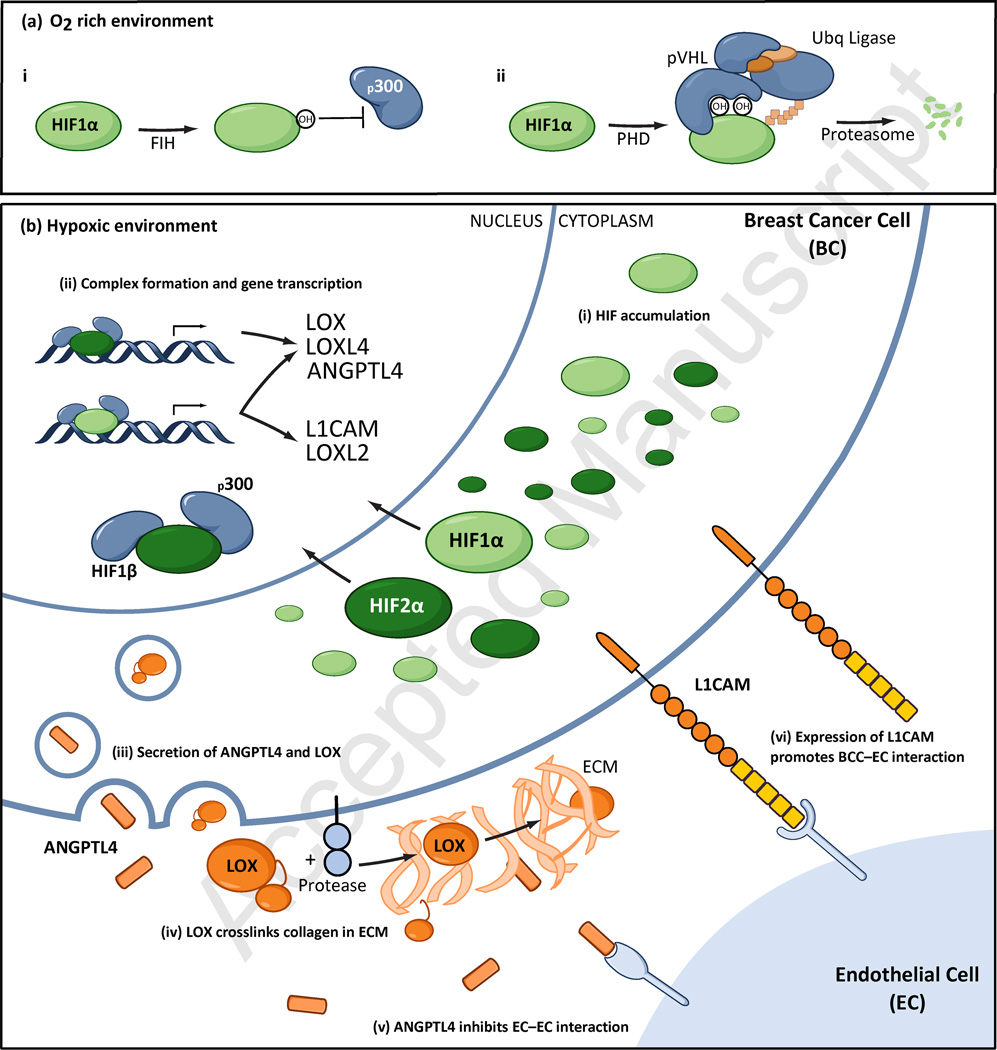
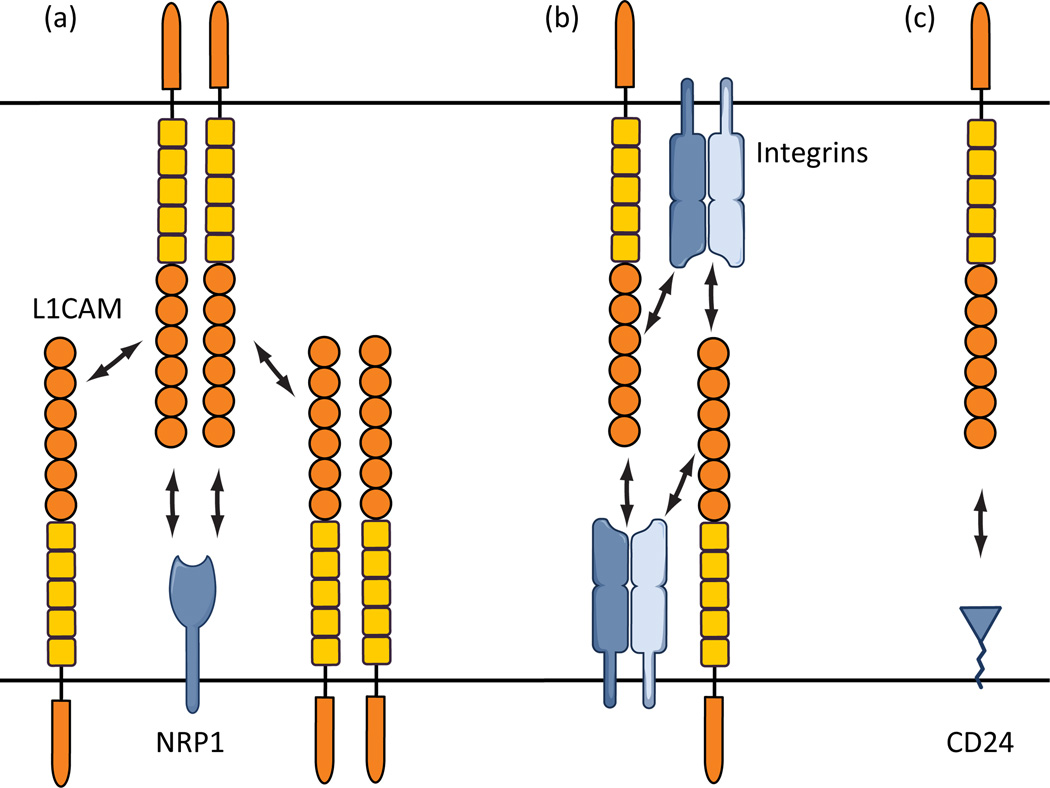
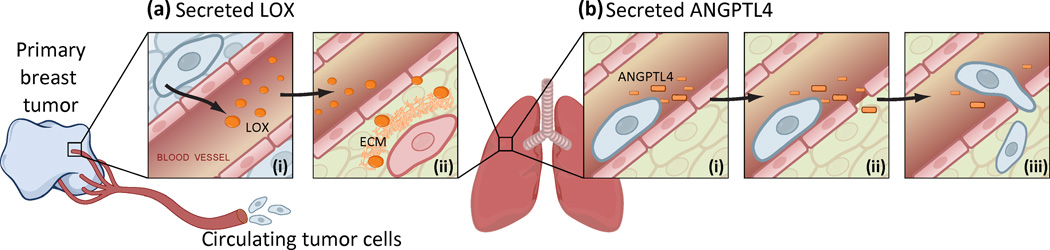
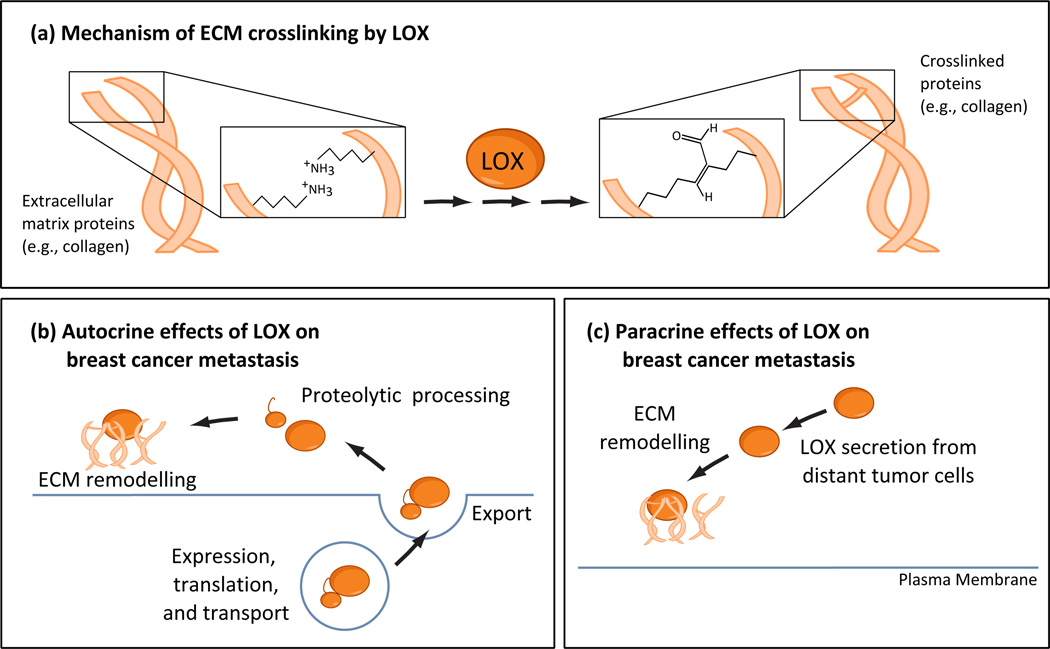
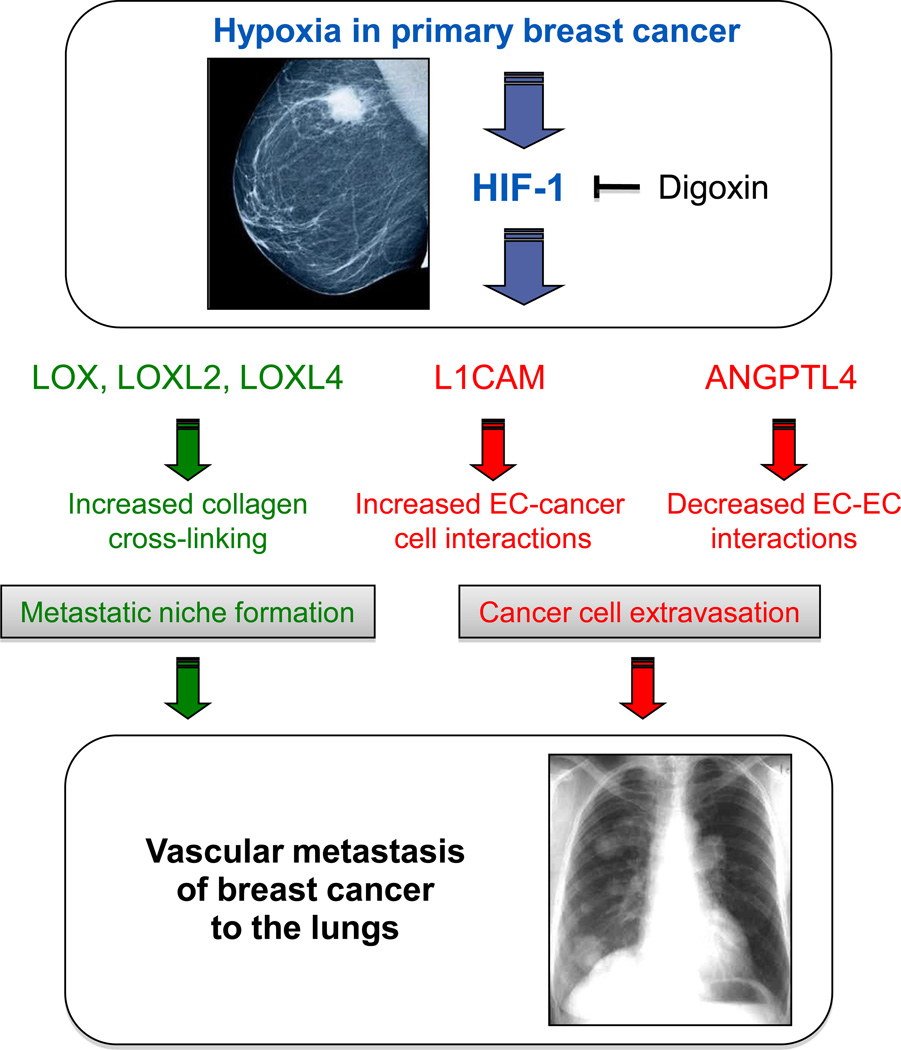
Breast cancers contain regions of intratumoral hypoxia in which reduced O(2) availability activates the hypoxia-inducible factors HIF-1 and HIF-2, which increase the transcription of genes encoding proteins that are required for many important steps in cancer progression. Recently, HIFs have been shown to play critical roles in the metastasis of breast cancer to the lungs through the transcriptional activation of genes encoding angiopoietin-like 4 and L1 cell adhesion molecule, which promote the extravasation of circulating cancer cells from the lung vasculature, and the lysyl oxidase family members LOX, LOXL2, and LOXL4, which promote invasion and metastatic niche formation. Digoxin, a drug that inhibits HIF-1 activity, blocks primary tumor growth, vascularization, invasion, and metastasis in ex vivo and in vivo assays.
Copyright © 2012. Published by Elsevier Ltd.
Figures
References
-
- Vaupel P, et al. Tumor hypoxia and malignant progression. Methods Enzymol. 2004;381:335–354. - PubMed
-
- Vaupel P, et al. Detection and characterization of tumor hypoxia using pO2 histography. Antioxid. Redox Signal. 2007;9:1221–1235. - PubMed
-
- Vaupel P, et al. Prognostic potential of the pre-therapeutic tumor oxygenation status. Adv. Exp. Med. Biol. 2009;645:241–246. - PubMed
-
- Wilson WR, Hay MP. Targeting hypoxia in cancer therapy. Nat. Rev. Cancer. 2011;11:393–410. - PubMed
Publication types
MeSH terms
Substances
Grants and funding
LinkOut - more resources
Full Text Sources
Medical
