


Genomic insights from the oleaginous model alga Nannochloropsis gaditana
- PMID: 22922732
- PMCID: PMC3566019
- DOI: 10.4161/bioe.21880
Genomic insights from the oleaginous model alga Nannochloropsis gaditana
Abstract
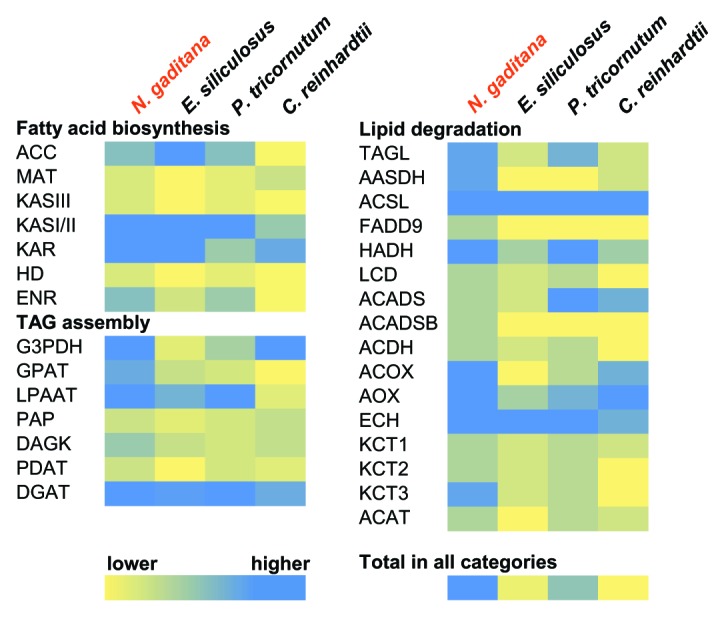
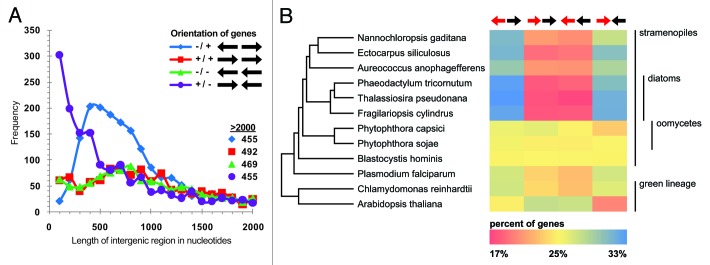
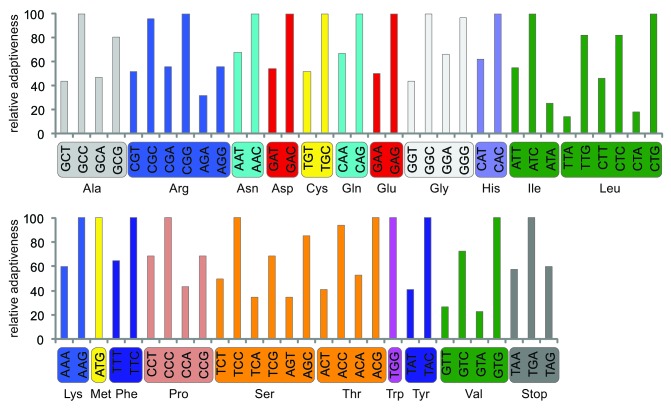
Nannochloropsis species have emerged as leading phototrophic microorganisms for the production of biofuels. Several isolates produce large quantities of triacylglycerols, grow rapidly, and can be cultivated at industrial scales. Recently, the mitochondrial, plastid and nuclear genomes of Nannochloropsis gaditana were sequenced. Genomic interrogation revealed several key features that likely facilitate the oleaginous phenotype observed in Nannochloropsis, including an over-representation of genes involved in lipid biosynthesis. Here we present additional analyses on gene orientation, vitamin B12 requiring enzymes, the acetyl-CoA metabolic node, and codon usage in N. gaditana. Nuclear genome transformation methods are established with exogenous DNA integration occurring via either random incorporation or by homologous recombination, making Nannochloropsis amenable to both forward and reverse genetic engineering. Completion of a draft genomic sequence, establishment of transformation techniques, and robust outdoor growth properties have positioned Nannochloropsis as a new model alga with significant potential for further development into an integrated photons-to-fuel production platform.
Keywords: Nannochloropsis; algae; biofuels; genomics; lipids.
Figures
References
-
- Weyer K, Bush D, Darzins A, Willson B. Theoretical maximum algal oil production. BioEnergy Research. 2010;3:204–13. doi: 10.1007/s12155-009-9046-x. - DOI
-
- Pienkos PT, Darzins A. The promise and challenges of microalgal-derived biofuels. Biofuels. Bioproducts and Biorefining. 2009;3:431–40. doi: 10.1002/bbb.159. - DOI
Publication types
MeSH terms
Substances
LinkOut - more resources
Full Text Sources
Other Literature Sources
Molecular Biology Databases
