


Hemodynamically motivated choice of patch angioplasty for the performance of carotid endarterectomy
- PMID: 22923061
- PMCID: PMC12054739
- DOI: 10.1007/s10439-012-0640-2
Hemodynamically motivated choice of patch angioplasty for the performance of carotid endarterectomy
Abstract
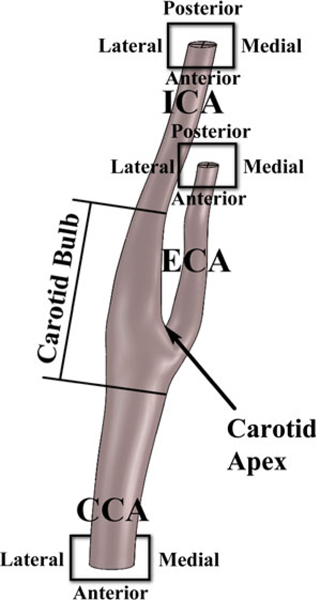
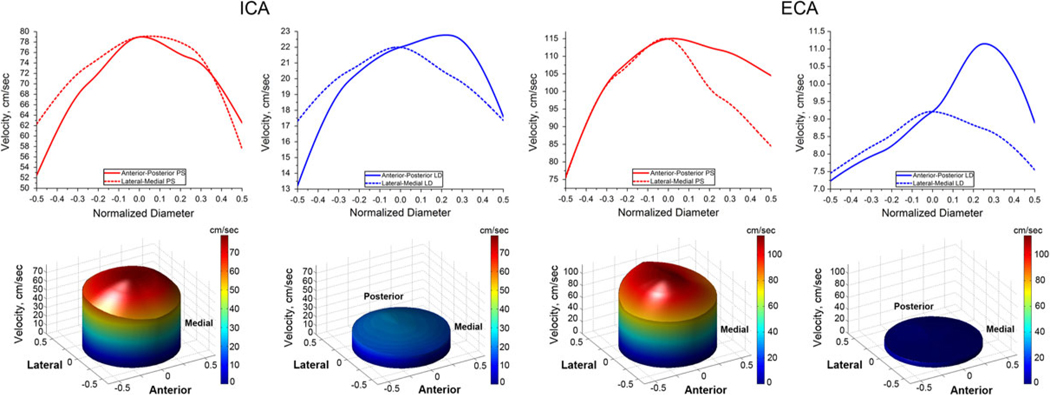
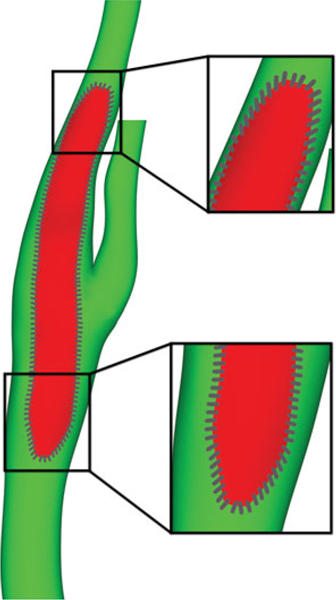
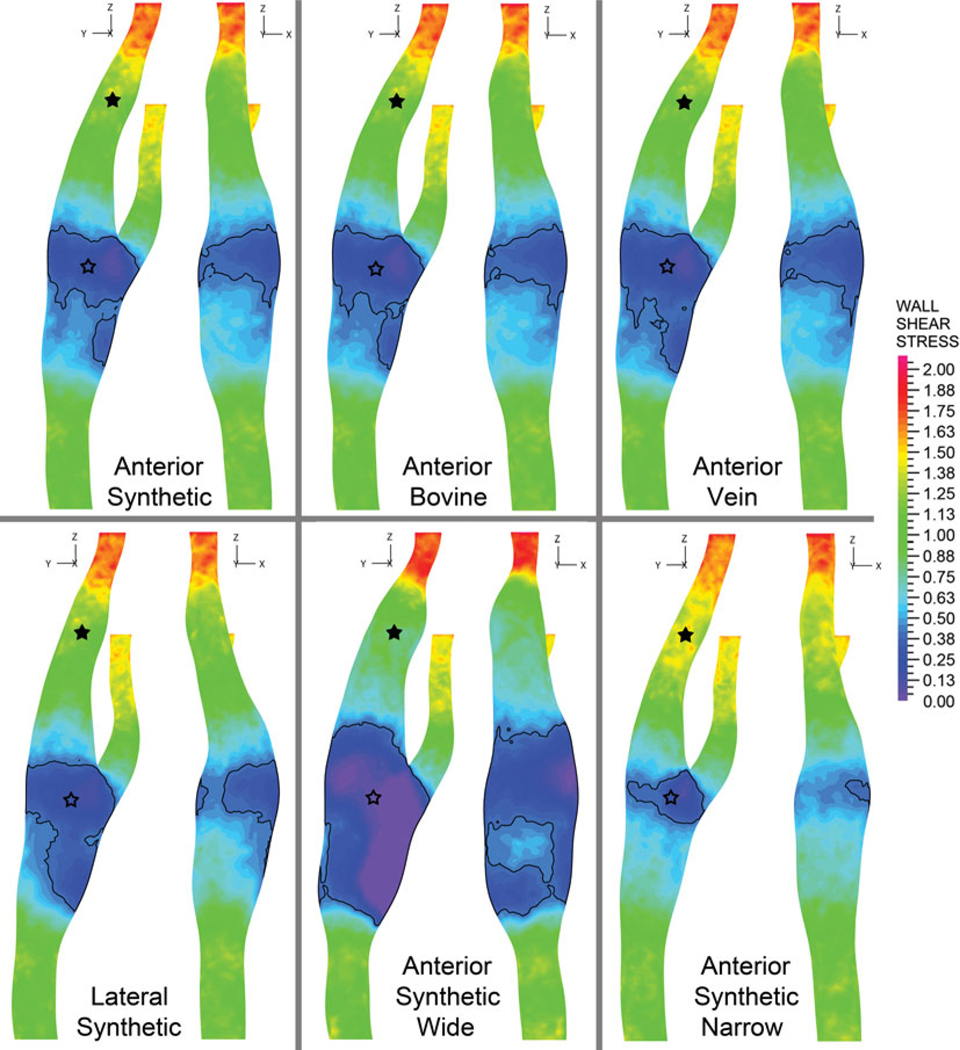
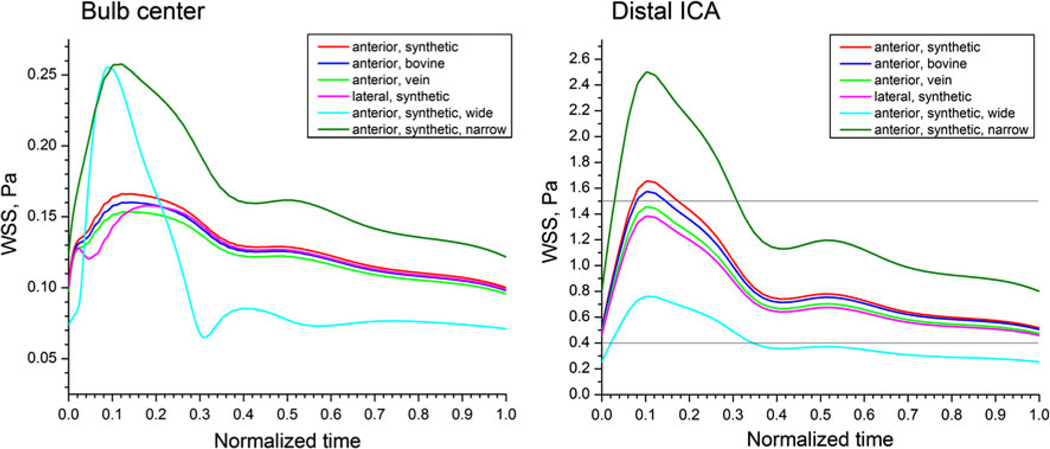
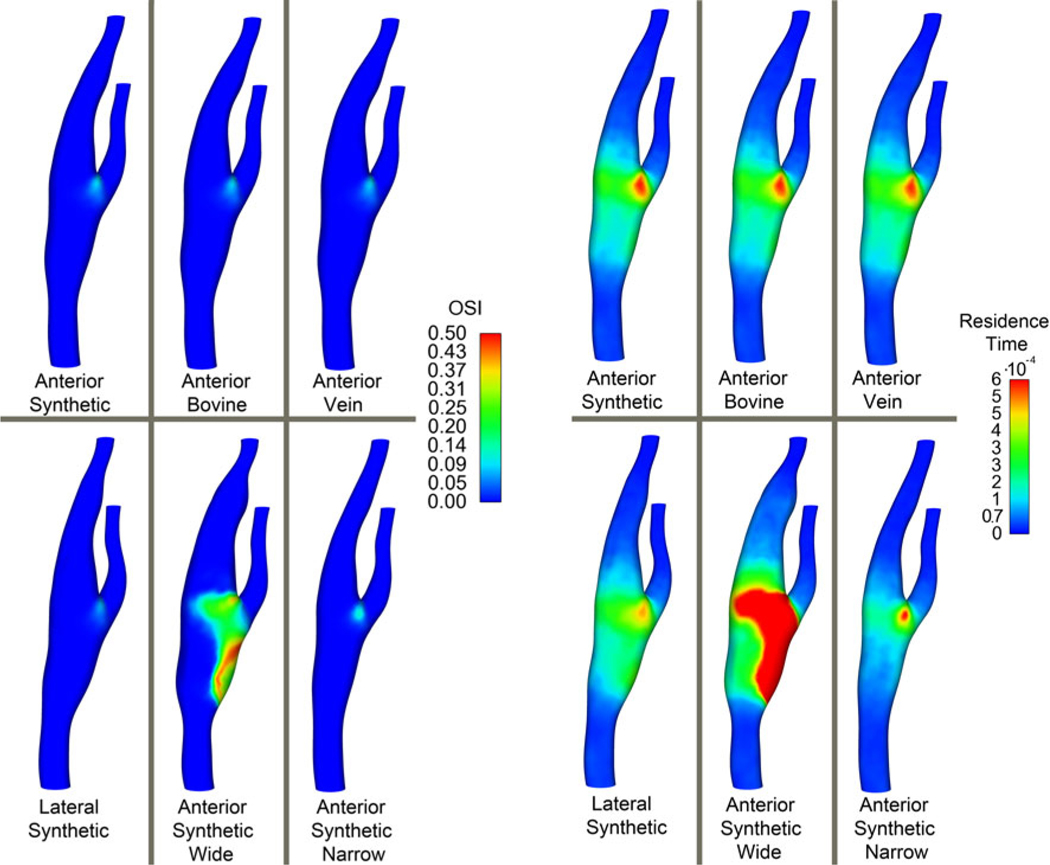
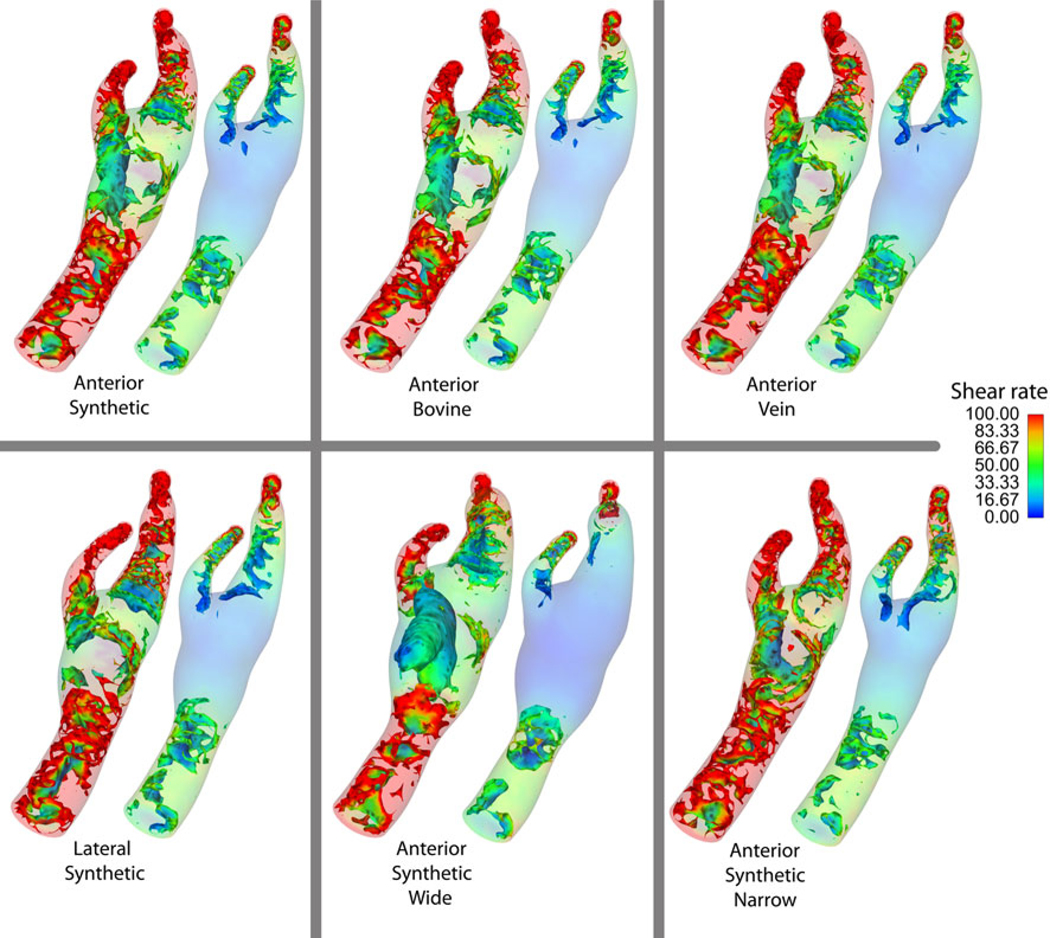
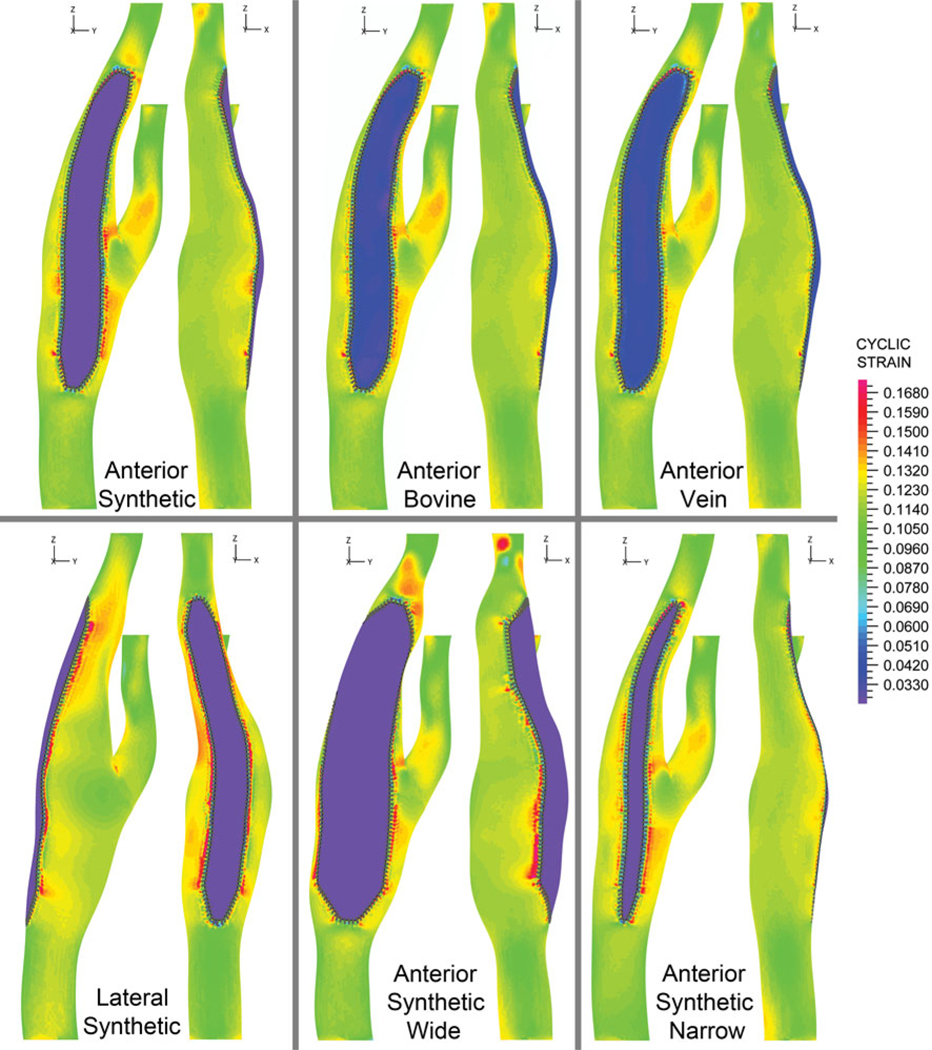
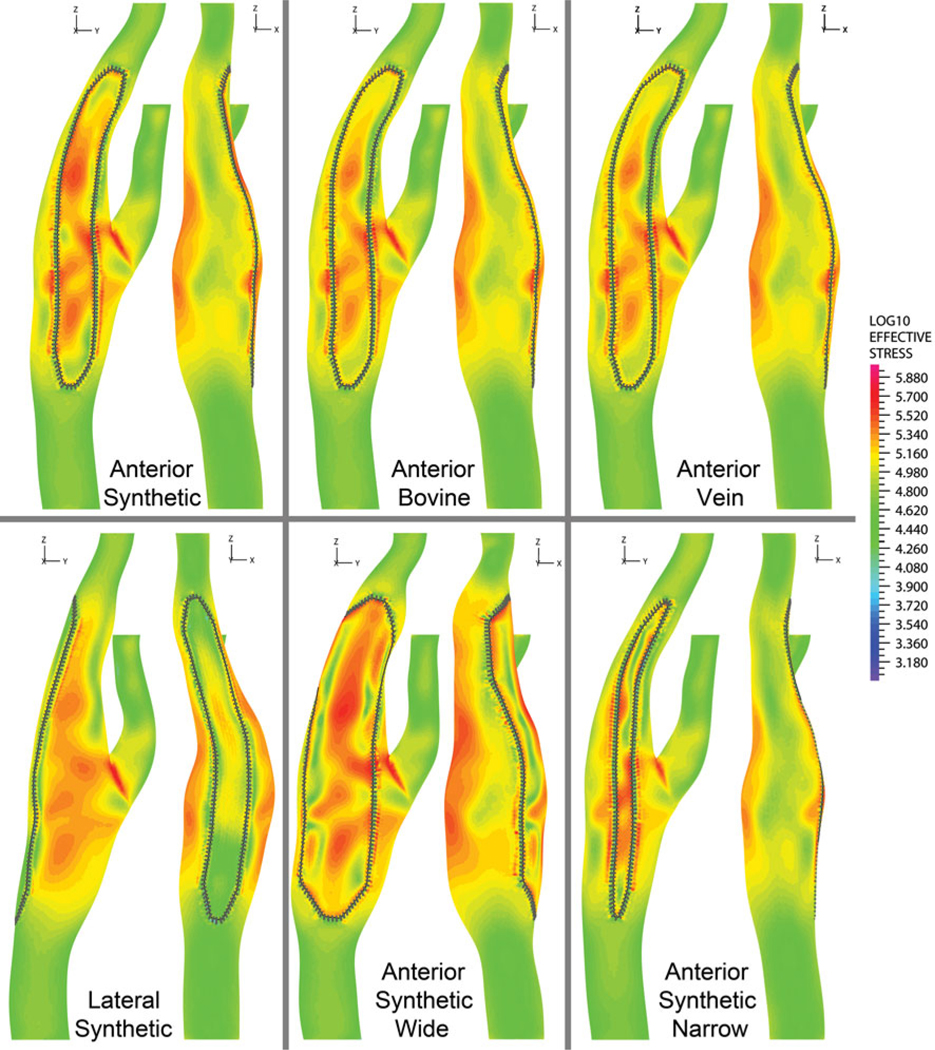
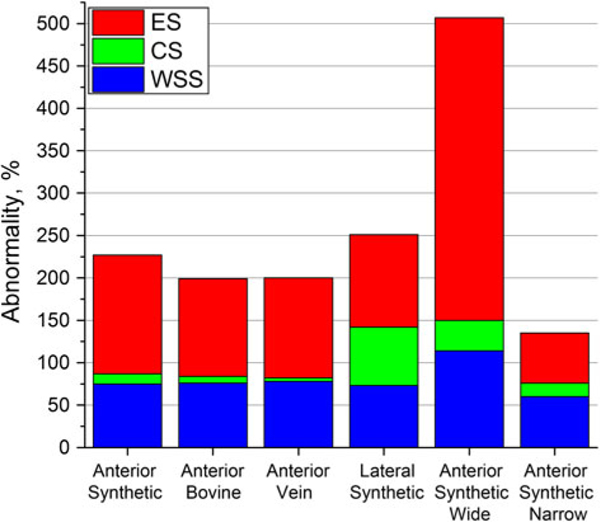
Patch angioplasty is the most common technique used for the performance of carotid endarterectomy. A large number of materials are available, but little is known to aid the surgeon in choosing a patch while caring for a patient with carotid disease. The objective of this study was to investigate biomechanics of the carotid artery (CA) repaired with patch angioplasty, study the influence of patch width and location of closure on hemodynamics, and to select the optimal patch material from those commonly used. For this purpose, a mathematical model was built that accounts for fluid-structure interaction, three-dimensional arterial geometry, non-linear anisotropic mechanical properties, non-Newtonian flow and in vivo boundary conditions. This model was used to study disease-related mechanical factors in the arterial wall and blood flow for different types of patch angioplasty. Analysis indicated that patch closures performed with autologous vein and bovine pericardium were hemodynamically superior to carotid endarterectomy with synthetic patch angioplasty (polytetrafluoroethylene, Dacron) in terms of restenosis potential. Width of the patch and location of arteriotomy were found to be of paramount importance, with narrow patches being superior to wide patches, and anterior arteriotomy being superior to the lateral arteriotomy. These data can aid vascular surgeons in their selection of patch angioplasty technique and material for the care of patients undergoing open CA repair.
Figures
References
-
- AbuRahma AF, Robinson PA, Saiedy S, Kahn JH, and Boland JP Prospective randomized trial of carotid endarterectomy with primary closure and patch angioplasty with saphenous vein, jugular vein, and polytetrafluoroethylene: long-term follow-up. J. Vasc. Surg 27(2):222–234, 1998. - PubMed
-
- AbuRahma AF, Stone PA, Flaherty SK, and AbuRahma Z. Prospective randomized trial of Acuseal (Gore-Tex) versus Hemashield-Finesse patching during carotid endarterectomy: early results. J. Vasc. Surg 45(5):881–884, 2007. - PubMed
-
- American College of Cardiology Foundation, American Society of Interventional & Therapeutic Neuroradiology, Society for Cardiovascular Angiography, Interventions, Society for Vascular Medicine, Biology, Society of Interventional Radiology, Bates ER, Babb JD, Casey DE, Cates CU, Duckwiler GR, Feldman TE, Gray WA, Ouriel K, Peterson ED, Rosenfield K, Rundback JH, Safian RD, Sloan MA, and White CJ ACCF/SCAI/SVMB/SIR/ASITN 2007 clinical expert consensus document on carotid stenting: a report of the American College of Cardiology Foundation task force on clinical expert consensus documents (ACCF/SCAI/SVMB/SIR/ASITN clinical expert consensus document committee on carotid stenting). J. Am. Coll. Cardiol 49(1):126–170, 2007. - PubMed
-
- Archie JP How can I achieve the optimal flow surface and distal end-point following carotid endarterectomy? In: Carotid Artery Surgery: A Problem-Based Approach, edited by Naylor RA and Mackey WC London:Harcourt, 1999, pp. 262–270.
-
- Awad IA, and Little JR Patch angioplasty in carotid endarterectomy. Advantages, concerns, and controversies. Stroke. 20(3):417–422, 1989. - PubMed
Publication types
MeSH terms
Grants and funding
LinkOut - more resources
Full Text Sources
Other Literature Sources
Medical
