


A reproducible oral microcosm biofilm model for testing dental materials
- PMID: 22925110
- PMCID: PMC3501590
- DOI: 10.1111/j.1365-2672.2012.05439.x
A reproducible oral microcosm biofilm model for testing dental materials
Abstract
Aims: Most studies of biofilm effects on dental materials use single-species biofilms, or consortia. Microcosm biofilms grown directly from saliva or plaque are much more diverse, but difficult to characterize. We used the Human Oral Microbial Identification Microarray (HOMIM) to validate a reproducible oral microcosm model.
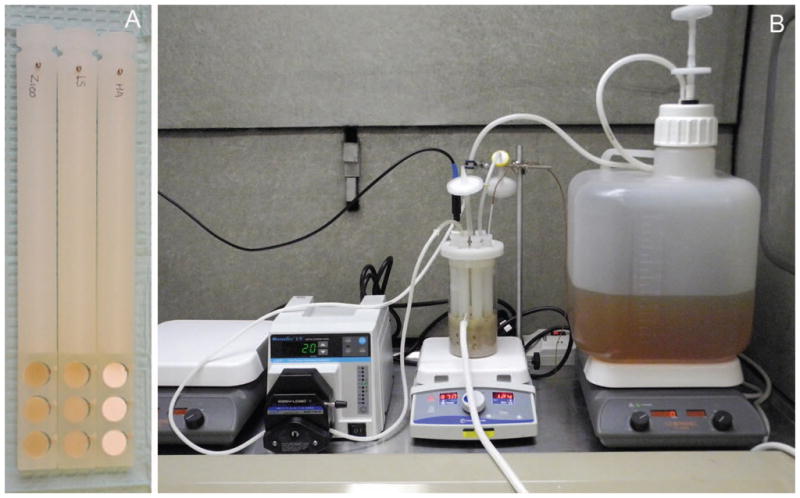
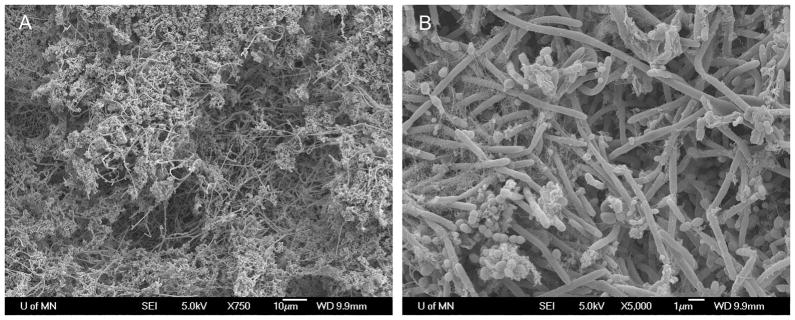
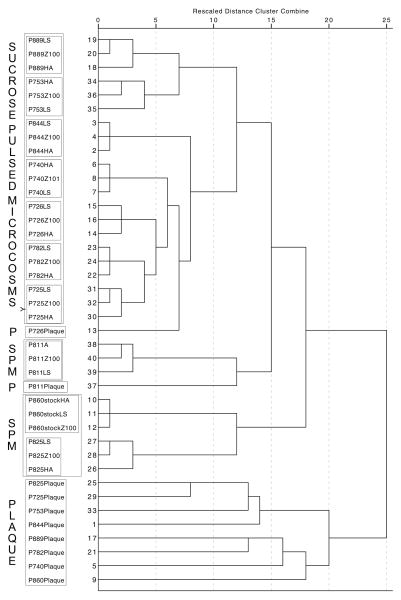
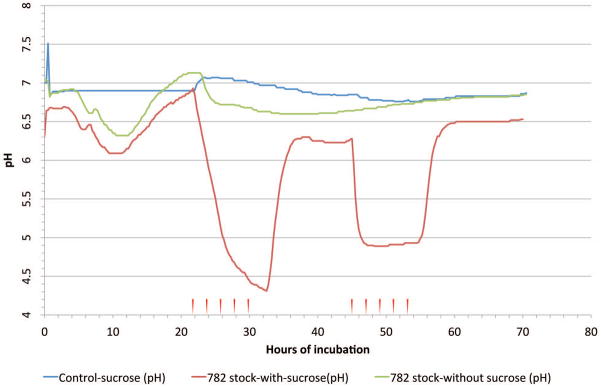
Methods and results: Saliva and dental plaque were collected from adults and children. Hydroxyapatite and dental composite discs were inoculated with either saliva or plaque, and microcosm biofilms were grown in a CDC biofilm reactor. In later experiments, the reactor was pulsed with sucrose. DNA from inoculums and microcosms was analysed by HOMIM for 272 species. Microcosms included about 60% of species from the original inoculum. Biofilms grown on hydroxyapatite and composites were extremely similar. Sucrose pulsing decreased diversity and pH, but increased the abundance of Streptococcus and Veillonella. Biofilms from the same donor, grown at different times, clustered together.
Conclusions: This model produced reproducible microcosm biofilms that were representative of the oral microbiota. Sucrose induced changes associated with dental caries.
Significance and impact of the study: This is the first use of HOMIM to validate an oral microcosm model that can be used to study the effects of complex biofilms on dental materials.
© 2012 The Society for Applied Microbiology.
Figures

References
-
- Aparicio C, et al. Surface properties modification induced by sterilization of dental resin composites. J Dent Res. 2012;91 (Spec Iss A):1200.
-
- Auschill TM, et al. The effect of dental restorative materials on dental biofilm. Eur J Oral Sci. 2002;110:48–53. - PubMed
-
- Azevedo MS, et al. Microcosm biofilms originating from children with different caries experience have similar cariogenicity under successive sucrose challenges. Caries Res. 2011;45:510–517. - PubMed
Publication types
MeSH terms
Substances
Grants and funding
LinkOut - more resources
Full Text Sources
Research Materials
