


Neurologic disorders among pediatric deaths associated with the 2009 pandemic influenza
- PMID: 22931899
- PMCID: PMC11376344
- DOI: 10.1542/peds.2011-3343
Neurologic disorders among pediatric deaths associated with the 2009 pandemic influenza
Abstract
Objective: The goal of this study was to describe reported influenza A (H1N1)pdm09 virus (pH1N1)-associated deaths in children with underlying neurologic disorders.
Methods: The study compared demographic characteristics, clinical course, and location of death of pH1N1-associated deaths among children with and without underlying neurologic disorders reported to the Centers for Disease Control and Prevention.
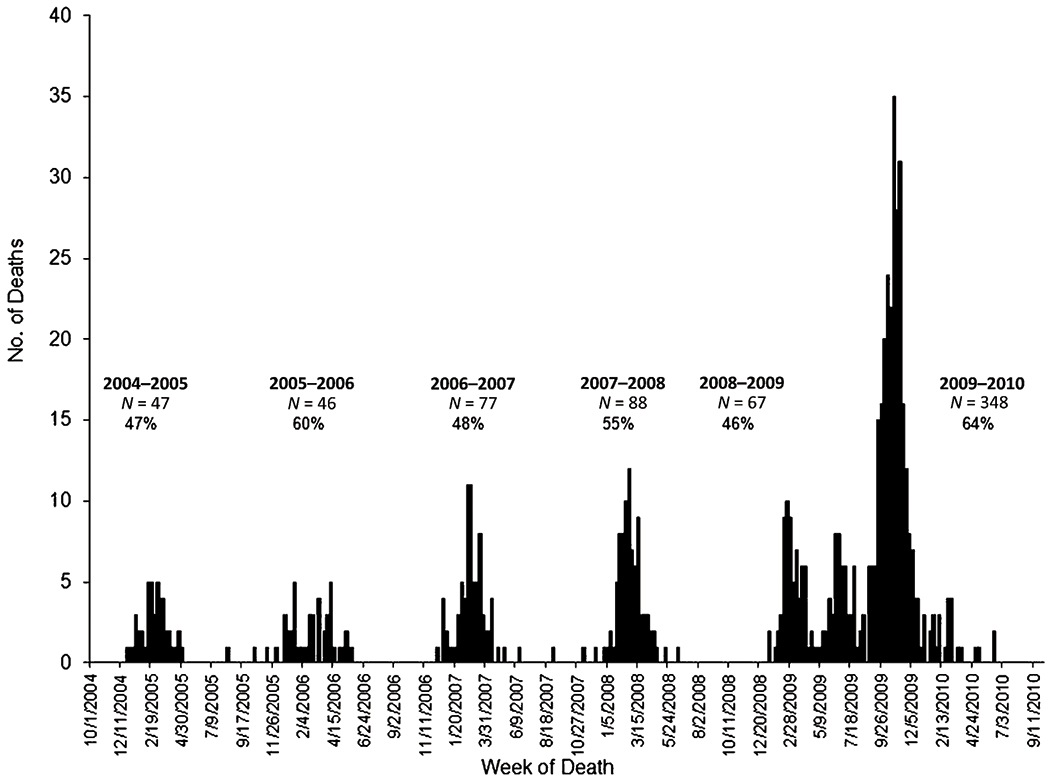
Results: Of 336 pH1N1-associated pediatric deaths with information on underlying conditions, 227 (68%) children had at least 1 underlying condition that conferred an increased risk of complications of influenza. Neurologic disorders were most frequently reported (146 of 227 [64%]), and, of those disorders, neurodevelopmental disorders such as cerebral palsy and intellectual disability were most common. Children with neurologic disorders were older (P = .02), had a significantly longer duration of illness from onset to death (P < .01), and were more likely to die in the hospital versus at home or in the emergency department (P < .01) compared with children without underlying medical conditions. Many children with neurologic disorders had additional risk factors for influenza-related complications, especially pulmonary disorders (48%). Children without underlying conditions were significantly more likely to have a positive result from a sterile-site bacterial culture than were those with an underlying neurologic disorder (P < .01).
Conclusions: Neurologic disorders were reported in nearly two-thirds of pH1N1-associated pediatric deaths with an underlying medical condition. Because of the potential for severe outcomes, children with underlying neurologic disorders should receive influenza vaccine and be treated early and aggressively if they develop influenza-like illness.
Figures
Comment in
-
Every year is an influenza pandemic for children: can we stop them?Pediatrics. 2012 Sep;130(3):554-6. doi: 10.1542/peds.2012-1171. Epub 2012 Aug 29. Pediatrics. 2012. PMID: 22931900 No abstract available.
References
-
- Centers for Disease Control and Prevention (CDC). Surveillance for pediatric deaths associated with 2009 pandemic influenza A (H1N1) virus infection—United States, April-August 2009. MMWR Morb Mortal Wkly Rep. 2009;58(34):941–947 - PubMed
-
- Cox CM, Blanton L, Dhara R, Brammer L, Finelli L. 2009 Pandemic influenza A (H1N1) deaths among children—United States, 2009-2010. Clin Infect Dis. 2011;52(suppl 1):S69–S74 - PubMed
-
- Harper SA, Fukuda K, Uyeki TM, Cox NJ, Bridges CB; Advisory Committee on Immunization Practices (ACIP), Centers for Disease Control and Prevention (CDC). Prevention and control of influenza. Recommendations of the Advisory Committee on Immunization Practices (ACIP). MMWR Recomm Rep. 2005;54(RR-8):1–40 - PubMed
-
- Bhat N, Wright JG, Broder KR, et al. ; Influenza Special Investigations Team. Influenza-associated deaths among children in the United States, 2003-2004. N Engl J Med. 2005;353(24):2559–2567 - PubMed
MeSH terms
Grants and funding
LinkOut - more resources
Full Text Sources
Medical
