


Isolation and molecular identification of landfill bacteria capable of growing on di-(2-ethylhexyl) phthalate and deteriorating PVC materials
- PMID: 22934997
- PMCID: PMC3432978
- DOI: 10.1080/10934529.2012.707549
Isolation and molecular identification of landfill bacteria capable of growing on di-(2-ethylhexyl) phthalate and deteriorating PVC materials
Abstract
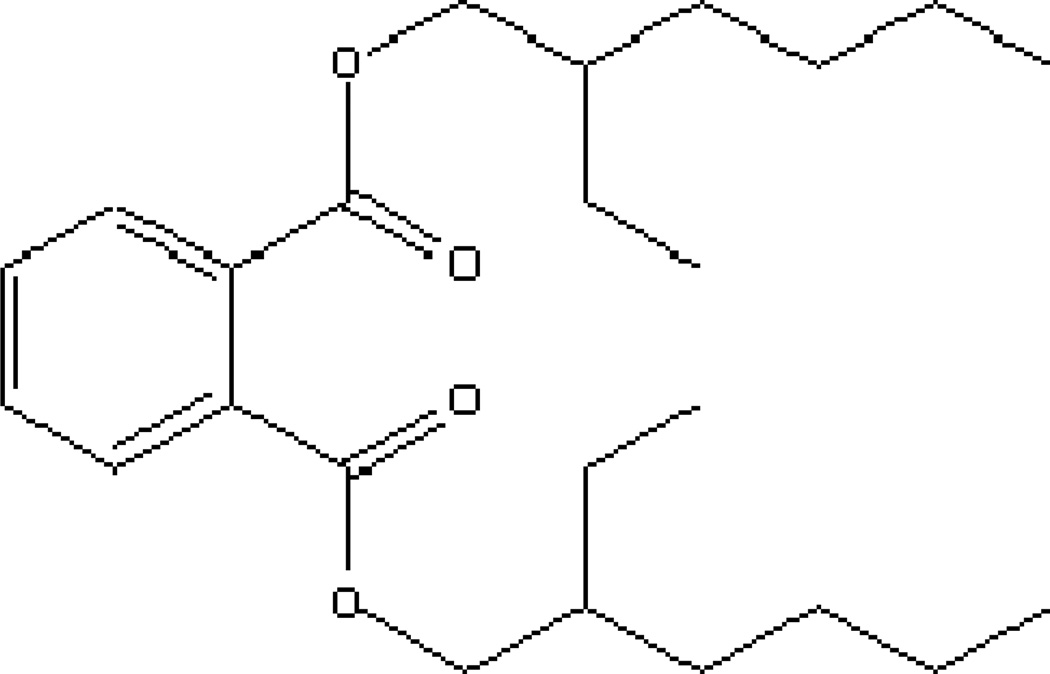
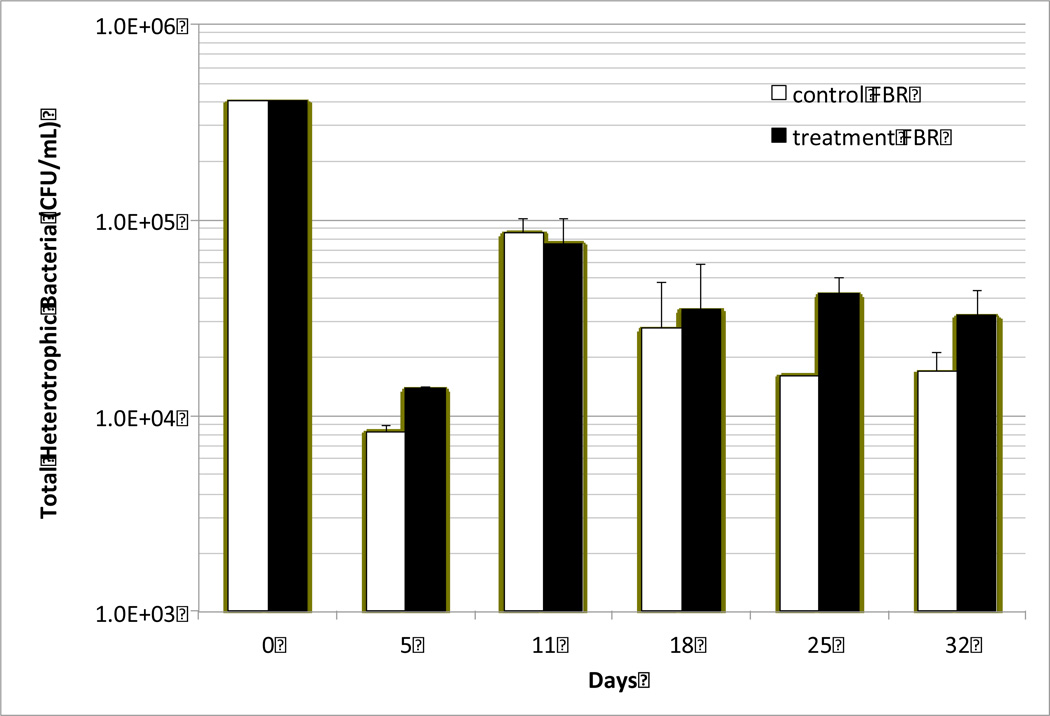
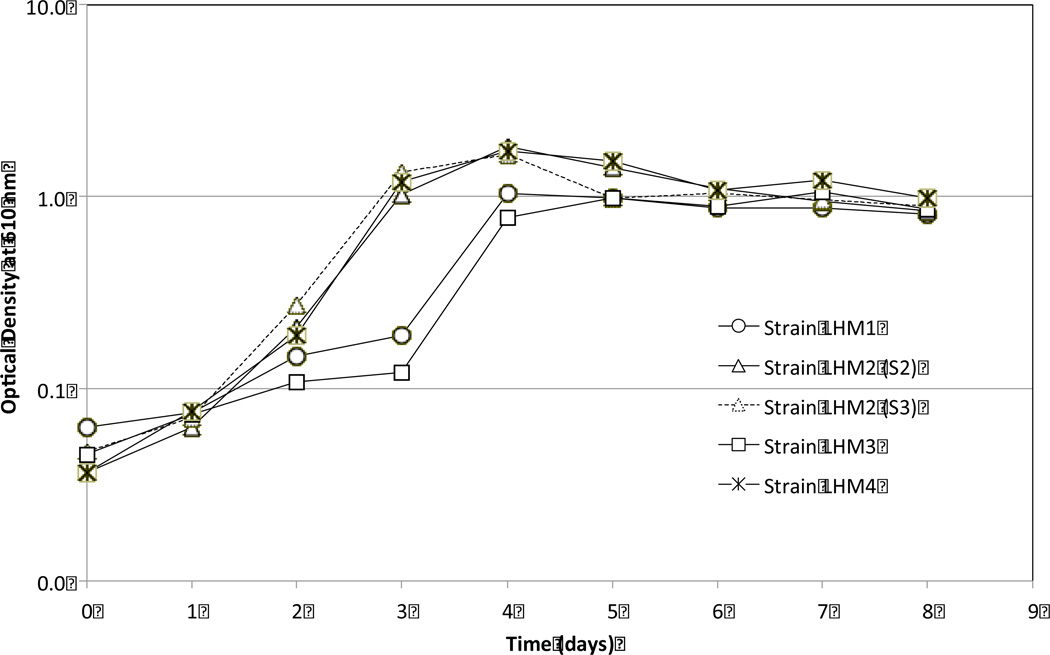
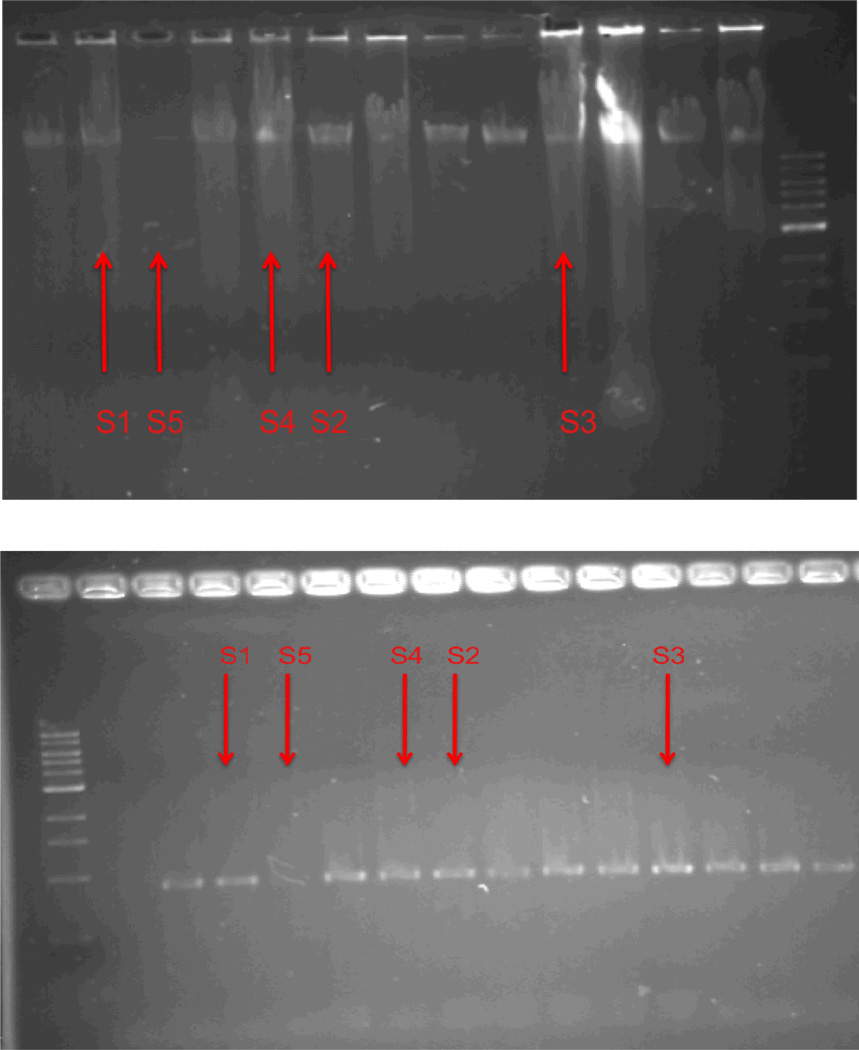
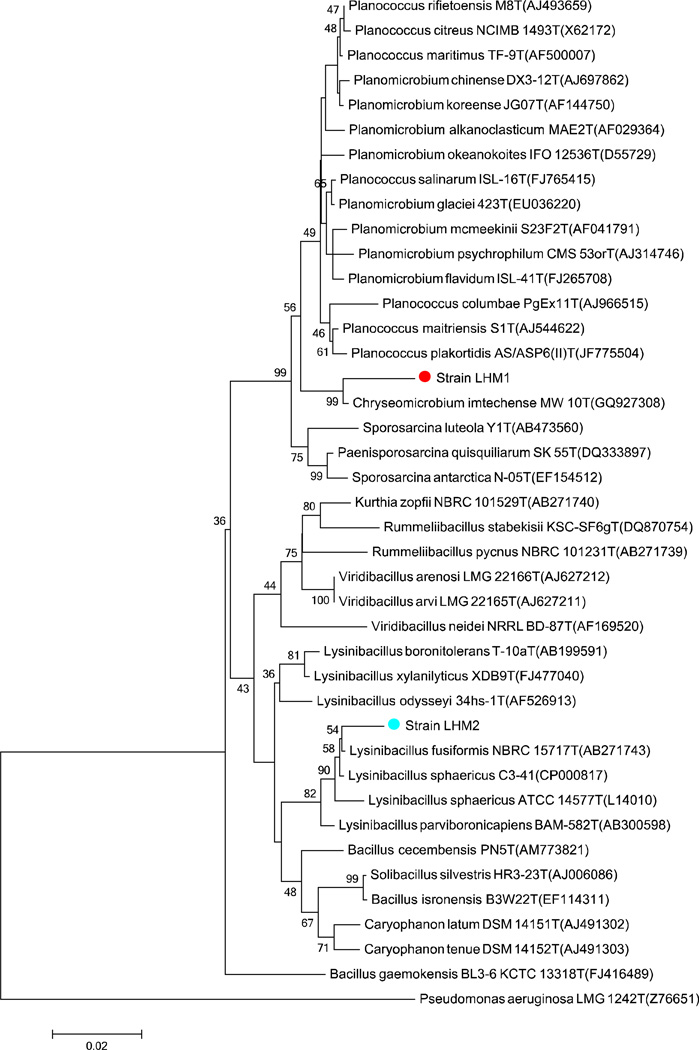
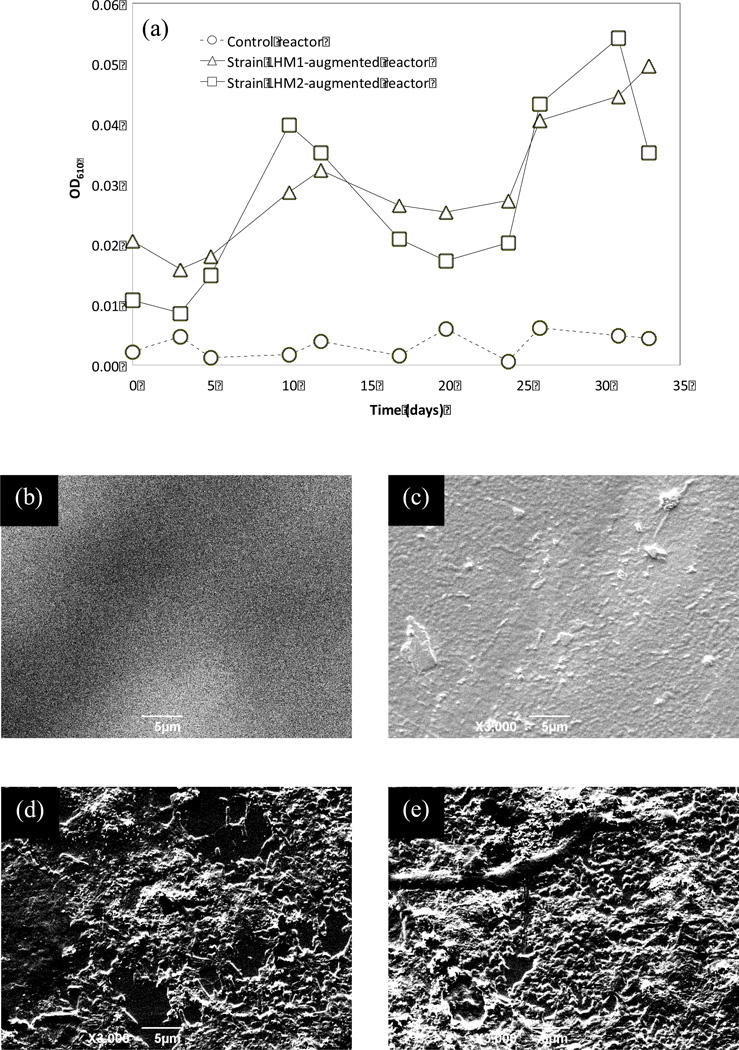
Waste materials containing Di-(2-ethylhexyl) phthalate (DEHP), a suspected endocrine disruptor and reasonably anticipated human carcinogen, are typically disposed of in landfills. Despite this, very few studies had been conducted to isolate and identify DEHP-degrading bacteria in landfill leachate. Therefore, this study was conducted to isolate and characterize bacteria in landfill leachate growing on DEHP as the sole carbon source and deteriorating PVC materials. Four strains LHM1, LHM2, LHM3 and LHM4, not previously reported as DEHP-degraders, were identified via 16S rRNA gene sequence. Gram-positive strains LHM1 and LHM2 had a greater than 97% similarity with Chryseomicrobium imtechense MW 10(T) and Lysinibacillus fusiformis NBRC 15717(T), respectively. Gram-negative strains LHM3 and LHM4 were related to Acinetobacter calcoaceticus DSM 30006(T) (90.7% similarity) and Stenotrophomonas pavanii ICB 89(T) (96.0% similarity), respectively. Phylogenetic analysis also corroborated these similarities of strains LHM1 and LHM2 to the corresponding bacteria species. Strains LHM2 and LHM4 grew faster than strains LHM1 and LHM3 in the enrichment where DEHP was the sole carbon source. When augmented to the reactors with PVC shower curtains containing DEHP, strains LHM1 and LHM2 developed greater optical densities in the solution phase and thicker biofilm on the surfaces of the shower curtains.
Figures
References
-
- Staples CA, Peterson DR, Parkerton TF, Adams WJ. The environmental fate of phthalate esters: A literature review. Chemosphere. 1997;35:667–749.
-
- Patil NK, Veeranagouda V, Vijaykumar M, Nayak SA, Karegoudar T. Enhanced and potential degradation of o-phthalate by Bacillus sp. immobilized cells in alginate and polyurethane. Int. Biodeter. Biodegr. 2006;57:82–87.
-
- Shelton DR, Boyd SA, Tiedje AM. Anaerobic biodegradation of phthalic acid esters in sludge. Environ. Sci. Technol. 1984;1904:93–97. - PubMed
-
- Chao W, Cheng C. Effect of introduced phthalate-degrading bacteria on the diversity of indigenous bacterial communities during di-(2-ethylhexyl) phthalate (DEHP) degradation in a soil microcosm. Chemosphere. 2007;67:482–488. - PubMed
-
- Oliver R, May E, Williams J. Microcosm investigation of phthalate behavior in sewage treatment biofilms. Sci. Total Environ. 2007;372:605–614. - PubMed
Publication types
MeSH terms
Substances
Grants and funding
LinkOut - more resources
Full Text Sources
Molecular Biology Databases