


Voices Along the Journey: Midwives' Perceptions of Implementing the CenteringPregnancy Model of Prenatal Care
- PMID: 22942623
- PMCID: PMC3210635
- DOI: 10.1891/1058-1243.20.4.210
Voices Along the Journey: Midwives' Perceptions of Implementing the CenteringPregnancy Model of Prenatal Care
Abstract
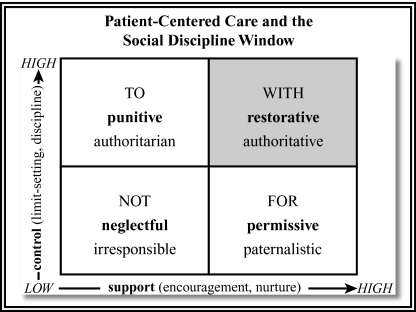
The purpose of this study was to describe the reported perceptions of six midwife participants at different stages of their engagement in a multiphase process of adopting a new model of prenatal care. Midwives were interviewed at five different stages during the process of implementing CenteringPregnancy, a model of group prenatal care. The research methodology used in this study was phenomenology. The conceptual framework for exploring the participants' perceptions was based on the Institute for Healthcare Improvement's patient-centered model and on the International Institute for Restorative Practices' empowerment model. The five themes that emerged from the midwives' experiences mirrored the stages of change health education model. Suggestions for the implementation and sustainability of the CenteringPregnancy model of care are provided based on the five themes that emerged from this study's findings.
Keywords: CenteringPregnancy; pregnancy; prenatal care; qualitative research.
Figures
References
-
- Baldwin K. A. (2006). Comparison of selected outcomes of CenteringPregnancy versus traditional prenatal care. Journal of Midwifery & Women’s Health, 51(4), 266–272 - PubMed
-
- Bodenheimer T., & Grumbach K. (Eds.). (2007). Patient-centered care: Finding the balance In Improving primary care: Strategies and tools for a better practice (pp. 37–50). New York, NY: McGraw-Hill
-
- Cox J. R., Obichere R., Knoll F., & Baruwa E. M. (2006). A study to compare productivity and cost of the CenteringPregnancy model of prenatal care with a traditional prenatal care model. Final Report to March of Dimes.
-
- Grady M. A., & Bloom K. C. (2004). Pregnancy outcomes of adolescents enrolled in a CenteringPregnancy program. Journal of Midwifery & Women’s Health, 49(5), 412–420 - PubMed
LinkOut - more resources
Full Text Sources