


Pathogenetic model for Tourette syndrome delineates overlap with related neurodevelopmental disorders including Autism
- PMID: 22948383
- PMCID: PMC3565204
- DOI: 10.1038/tp.2012.75
Pathogenetic model for Tourette syndrome delineates overlap with related neurodevelopmental disorders including Autism
Erratum in
- Transl Psychiatry. 2012;2:e163
Abstract
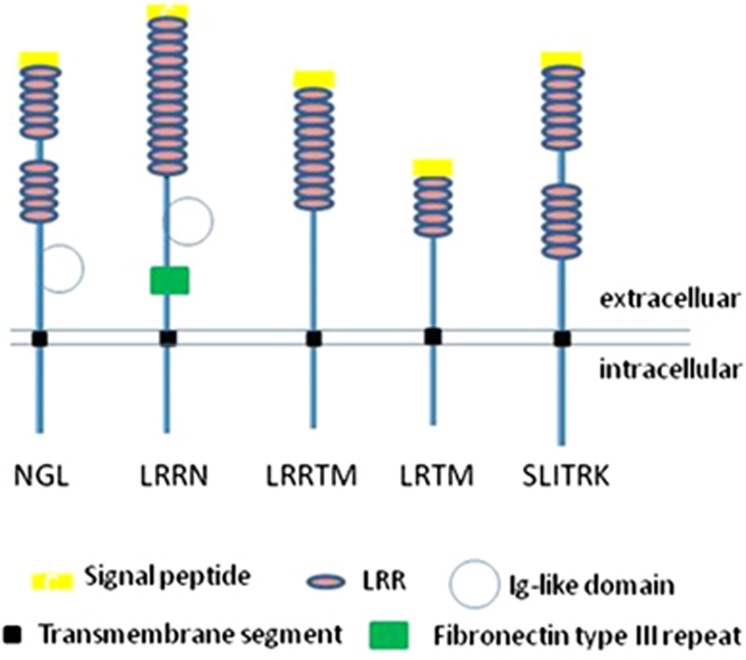
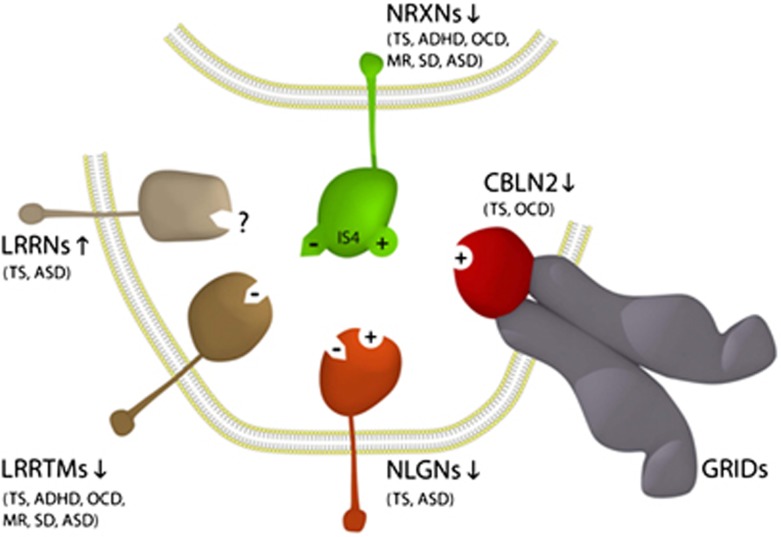
Tourette syndrome (TS) is a highly heritable neuropsychiatric disorder characterised by motor and vocal tics. Despite decades of research, the aetiology of TS has remained elusive. Recent successes in gene discovery backed by rapidly advancing genomic technologies have given us new insights into the genetic basis of the disorder, but the growing collection of rare and disparate findings have added confusion and complexity to the attempts to translate these findings into neurobiological mechanisms resulting in symptom genesis. In this review, we explore a previously unrecognised genetic link between TS and a competing series of trans-synaptic complexes (neurexins (NRXNs), neuroligins (NLGNs), leucine-rich repeat transmembrane proteins (LRRTMs), leucine rich repeat neuronals (LRRNs) and cerebellin precursor 2 (CBLN2)) that links it with autism spectrum disorder through neurodevelopmental pathways. The emergent neuropathogenetic model integrates all five genes so far found to be uniquely disrupted in TS into a single pathogenetic chain of events described in context with clinical and research implications.
Figures
References
-
- Eapen V, Crncec R. Tourette syndrome in children and adolescents: special considerations. J Psychosom Res. 2009;67:525–532. - PubMed
-
- Robertson MM, Eapen V, Cavanna AE. The international prevalence, epidemiology, and clinical phenomenology of Tourette syndrome: a cross-cultural perspective. J Psychosom Res. 2009;67:475–483. - PubMed
-
- Eapen V, Pauls DL, Robertson MM. Evidence for autosomal dominant transmission in Tourette's syndrome. United Kingdom cohort study. Br J Psychiatry. 1993;162:593–596. - PubMed
-
- Burd L, Li Q, Kerbeshian J, Klug MG, Freeman RD. Tourette syndrome and comorbid pervasive developmental disorders. J Child Neurol. 2009;24:170–175. - PubMed
Publication types
MeSH terms
Substances
LinkOut - more resources
Full Text Sources
Medical
Miscellaneous
