


Content analysis of oncology-related pharmaceutical advertising in a peer-reviewed medical journal
- PMID: 22952970
- PMCID: PMC3432119
- DOI: 10.1371/journal.pone.0044393
Content analysis of oncology-related pharmaceutical advertising in a peer-reviewed medical journal
Abstract
Background: The oncology market represents one of the largest pharmaceutical markets in any medical field, and printed advertising in medical journals is an important channel by which pharmaceutical companies communicate with healthcare professionals. The aim of the present study was to analyze the volume and content of and trends and changes in oncology-related advertising intended for healthcare professionals in a peer-reviewed medical journal. Information that could be included in advertisements to promote drug development and improve treatment strategies for cancer patients is discussed on the basis of the results of the analysis.
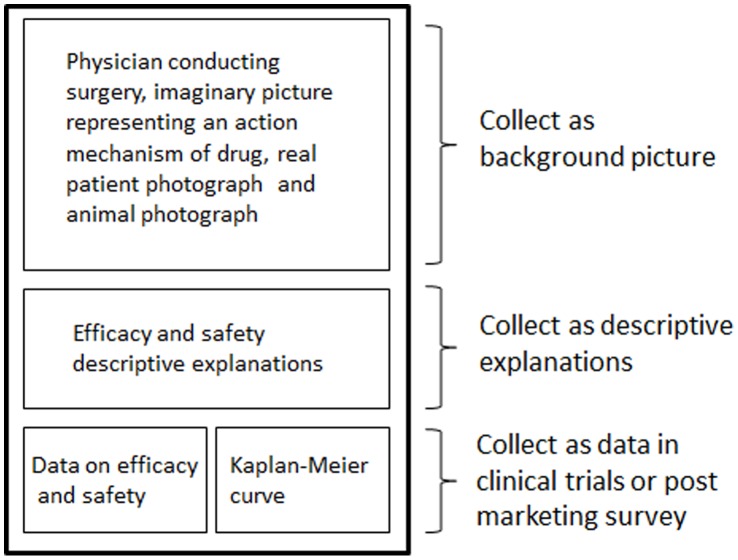
Methods/principal findings: Overall, 6,720 advertisements covering 13,039 pages in a leading oncology medical journal published (by the American Society of Clinical Oncology) between January 2005 and December 2009 were analyzed. The advertisements targeting pharmaceuticals and clinical trials, in particular, were reviewed. A total of 6,720 advertisements covering 13,039 pages were included in the analysis. For the years 2005-2009, the percentages of total journal pages dedicated to advertising were 24.0%, 45.7%, 49.8%, 46.8%, and 49.8%, respectively. Package insert information and efficacy and safety explanations appeared in more than 80% of advertisements intended for pharmaceutical promotion. From 2005 to 2009, the overall quantity of drug advertisements decreased by approximately 13%, whereas advertisements calling for the enrollment of patients into registration trials increased by approximately 11%.
Conclusion/significance: Throughout the study period, oncology-related pharmaceutical advertisements occupied a considerable number of pages relative to other journal content. The proportion of advertisements on ongoing clinical trials increased progressively throughout the study period.
Conflict of interest statement
Figures
References
-
- Prosser H, Almond S, Walley T (2003) Influences on GPs’ decision to prescribe new drugs–the importance of who says what. Fam Pract 20: 61–68. - PubMed
-
- Neslin S (2001) RAPP Study Executive Summary, 2001. Available: http://www.docstoc.com/docs/69287888/ROI-Analysis-of-Pharmaceutical-Prom.... Accessed 27 April 2012.
-
- Thomson Reuters (2010) Journal Citation Reports. New York, NY: Thomson Reuters.
-
- International Federation of Pharmaceutical Manufacturers and Associations (2010) Ethical Promotion of Medicines. Geneva: International Federation of Pharmaceutical Manufacturers and Associations, 2010. Available: http://www.ifpma.org/EthicalPromotion. Accessed 15 September, 2010.
Publication types
MeSH terms
Substances
LinkOut - more resources
Full Text Sources
