. 2012 Sep:1267:110-6.
doi: 10.1111/j.1749-6632.2012.06590.x.

Implications of genetic heterogeneity in cancer

Affiliations

Implications of genetic heterogeneity in cancer

Michael W Schmitt et al. Ann N Y Acad Sci. 2012 Sep.

Abstract

DNA sequencing studies have established that many cancers contain tens of thousands of clonal mutations throughout their genomes, which is difficult to reconcile with the very low rate of mutation in normal human cells. This observation provides strong evidence for the mutator phenotype hypothesis, which proposes that a genome-wide elevation in the spontaneous mutation rate is an early step in carcinogenesis. An elevated mutation rate implies that cancers undergo continuous evolution, generating multiple subpopulations of cells that differ from one another in DNA sequence. The extensive heterogeneity in DNA sequence and continual tumor evolution that would occur in the context of a mutator phenotype have important implications for cancer diagnosis and therapy.


Figures

Figure 1
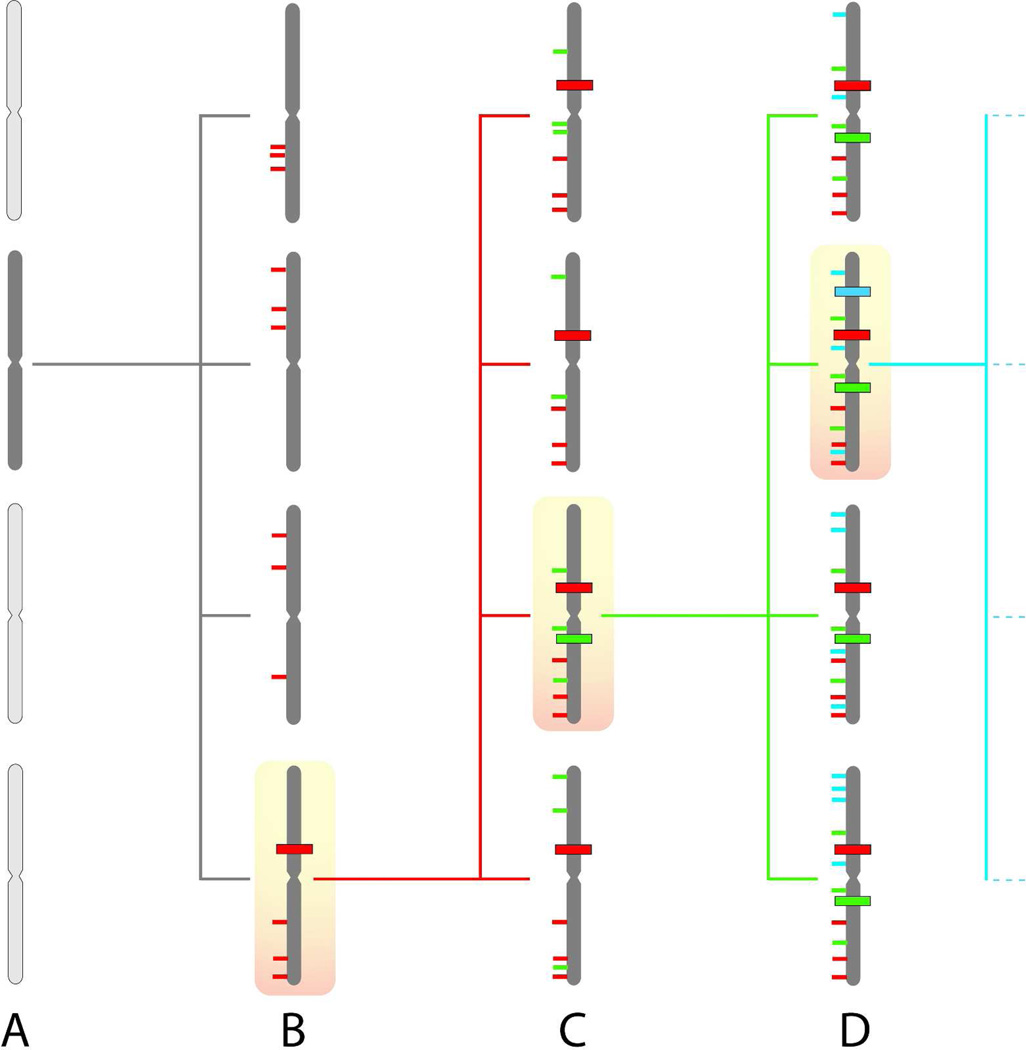
Figure 1. Continual mutagenesis results in sub-clonal genetic diversity
(A) A single cell (dark shading) acquires a mutator phenotype. (B) The mutator cell generates a series of progeny cells, each of which will possess a distinct set of random mutations (thin red lines). By chance, one of these mutations occurs in a gene that regulates growth (heavy red line), resulting in selective expansion of the cell containing this driver mutation. (C) The driver mutation, as well as all the random passenger mutations from the first round of mutagenesis, will be clonally present in the progeny cells. Ongoing mutagenesis generates an additional series of random mutations in each cell (thin green lines). Another driver mutation occurs (heavy green line), which will again result in selective expansion of a cell clone. (D) Ongoing rounds of random mutagenesis and selective expansion continue until sufficient driver mutations are present to result in uncontrolled growth and a clinically significant cancer. The driver and passenger mutations from the final clonal expansion will be present in the majority of the cells in the tumor. The mutant cells from earlier rounds of selection persist as sub-clonal populations, resulting in an enormous pool of genetic diversity within the tumor.
Figure 2
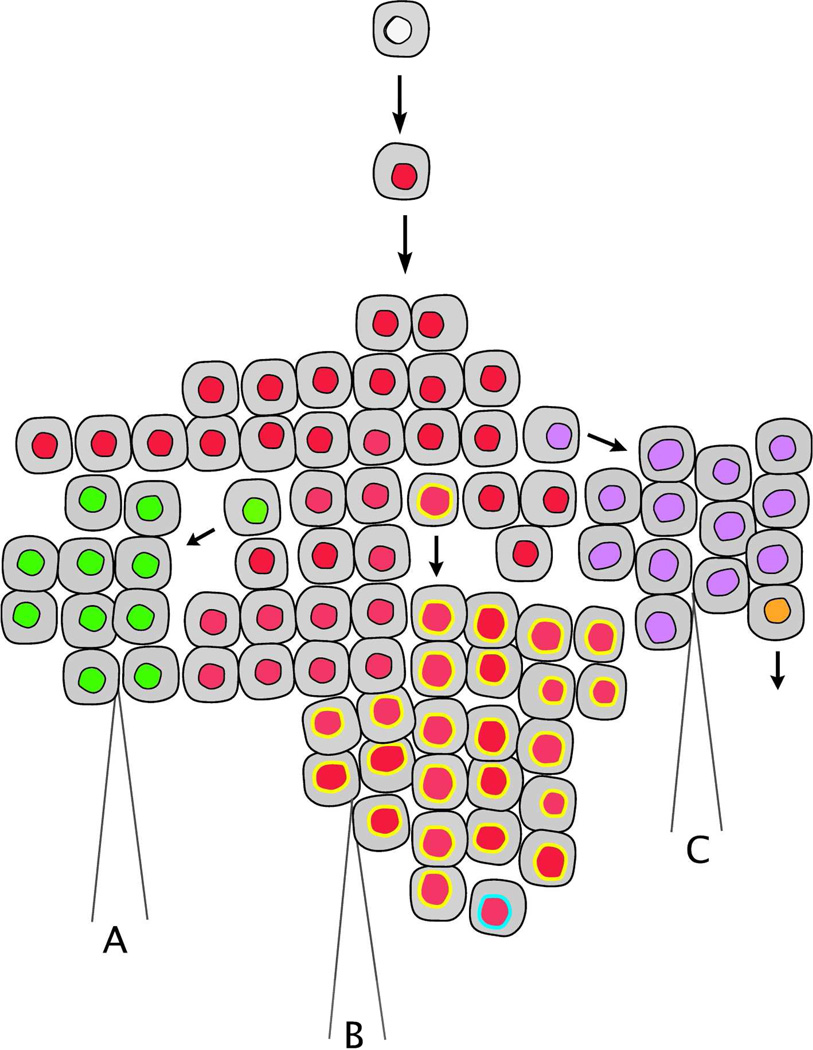
Figure 2. Spatial heterogeneity in cancer
Following clonal expansion of a cell that has acquired multiple driver mutations (red nucleus), mutagenesis persists resulting in accumulation of additional mutations and ongoing generation of sub-clonal populations within the tumor. Distinct sub-clones are depicted as cells with altered nuclei coloring. Spatial heterogeneity is an inherent property of a continually evolving tumor, and three biopsies of this same tumor (labeled as A, B, and C) will result in identification of three distinct DNA sequences. This topography indicates that multiple biopsies may be required to accurately assess the resistance of tumors to chemotherapy.

References

    1. Hanahan D, Weinberg RA. The hallmarks of cancer. Cell. 2000;100:57–70. - PubMed
    1. McCulloch SD, Kunkel TA. The fidelity of DNA synthesis by eukaryotic replicative and translesion synthesis polymerases. Cell Res. 2008;18:148–161. - PMC - PubMed
    1. Loeb LA, Springgate CF, Battula N. Errors in DNA replication as a basis of malignant changes. Cancer Res. 1974;34:2311–2321. - PubMed
    1. Salk JJ, Fox EJ, Loeb LA. Mutational Heterogeneity in Human Cancers: Origin and Consequences. Annu. Rev. Pathol. 2010;5:51–75. - PMC - PubMed
    1. Fox EJ, Salk JJ, Loeb LA. Cancer Genome Sequencing--An Interim Analysis. Cancer Res. 2009;69:4948–4950. (2009). - PMC - PubMed