


The collagen prolyl hydroxylases are novel transcriptionally silenced genes in lymphoma
- PMID: 22955849
- PMCID: PMC3494450
- DOI: 10.1038/bjc.2012.380
The collagen prolyl hydroxylases are novel transcriptionally silenced genes in lymphoma
Abstract
Background: Prolyl hydroxylation is a post-translational modification that affects the structure, stability and function of proteins including collagen by catalysing hydroxylation of proline to hydroxyproline through action of collagen prolyl hydroxylases3 (C-P3H) and 4 (C-P4H). Three C-P3Hs (nomenclature was amended according to approval by the HGNC symbols and names at http://www.genenames.org/ and Entrez database at http://www.ncbi.nlm.nih.gov/gene) leucineproline-enriched proteoglycan (leprecan) 1 (Lepre1), leprecan-like 1 (Leprel1), leprecan-like 2 (Leprel2) and two paralogs Cartilage-Related Protein (CRTAP) and leprecan-like 4 (Leprel4) are found in humans. The C-P4Hs are tetrameric proteins comprising a variable α subunit, encoded by the P4HA1, P4HA2 and P4HA3 genes and a constant β subunit encoded by P4HB.
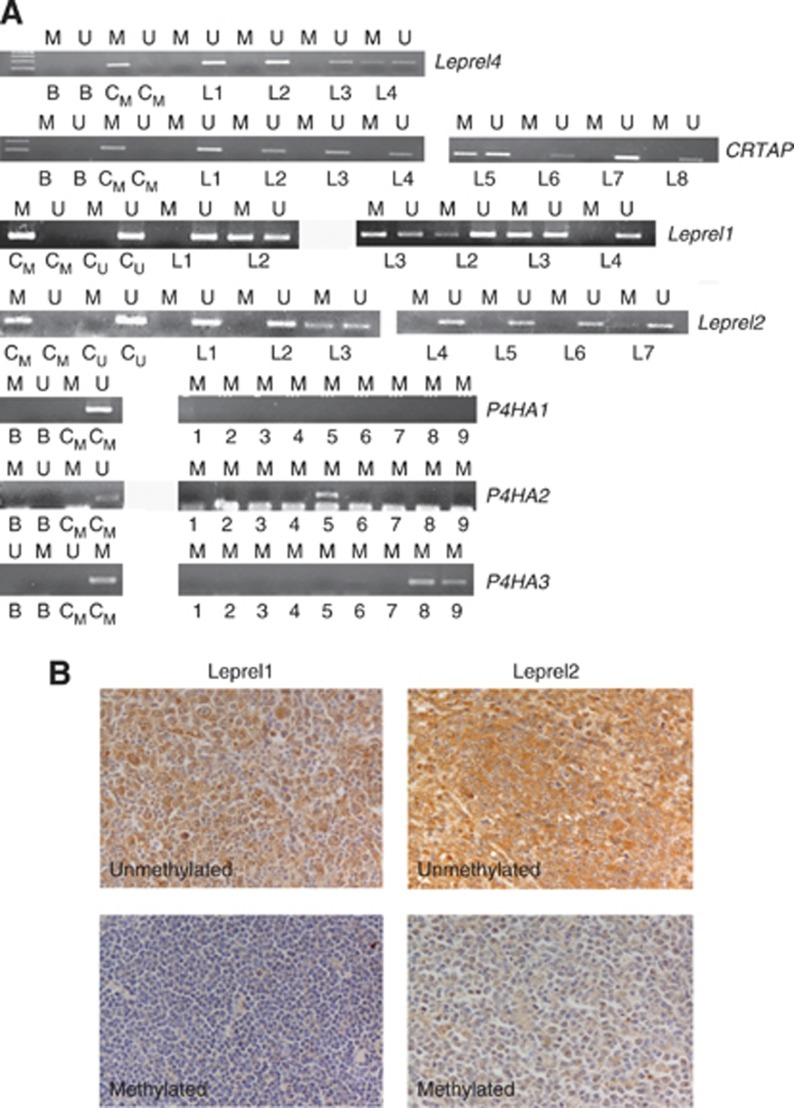
Methods: We used RT-PCR, qPCR, pyrosequencing, methylation-specific PCR, western blotting and immunohistochemistry to investigate expression and regulation of the C-P3H and C-P4H genes in B lymphomas and normal bone marrow.
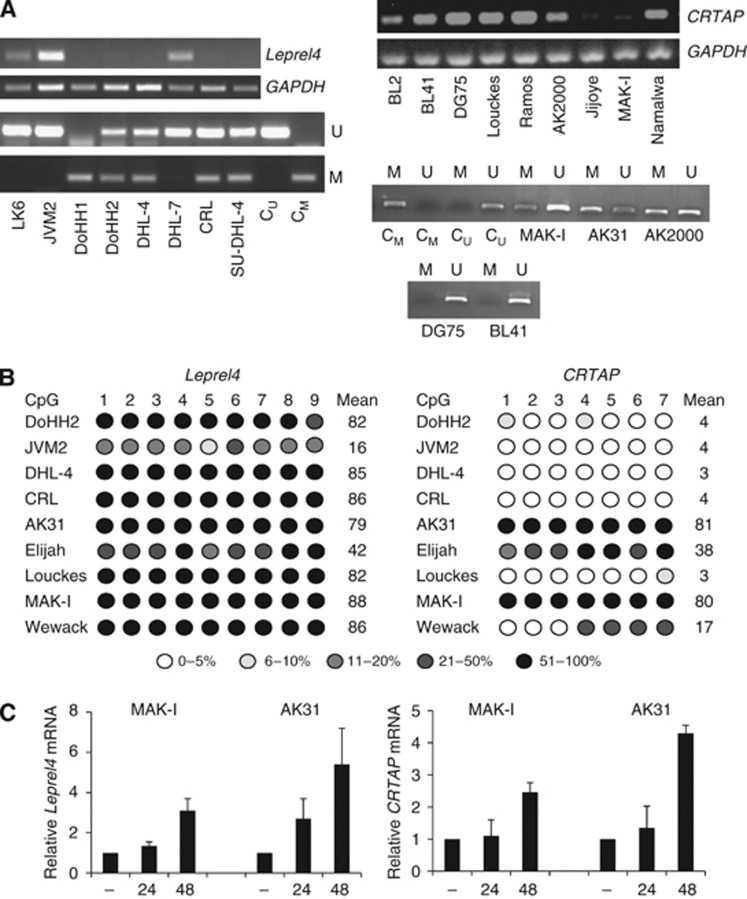
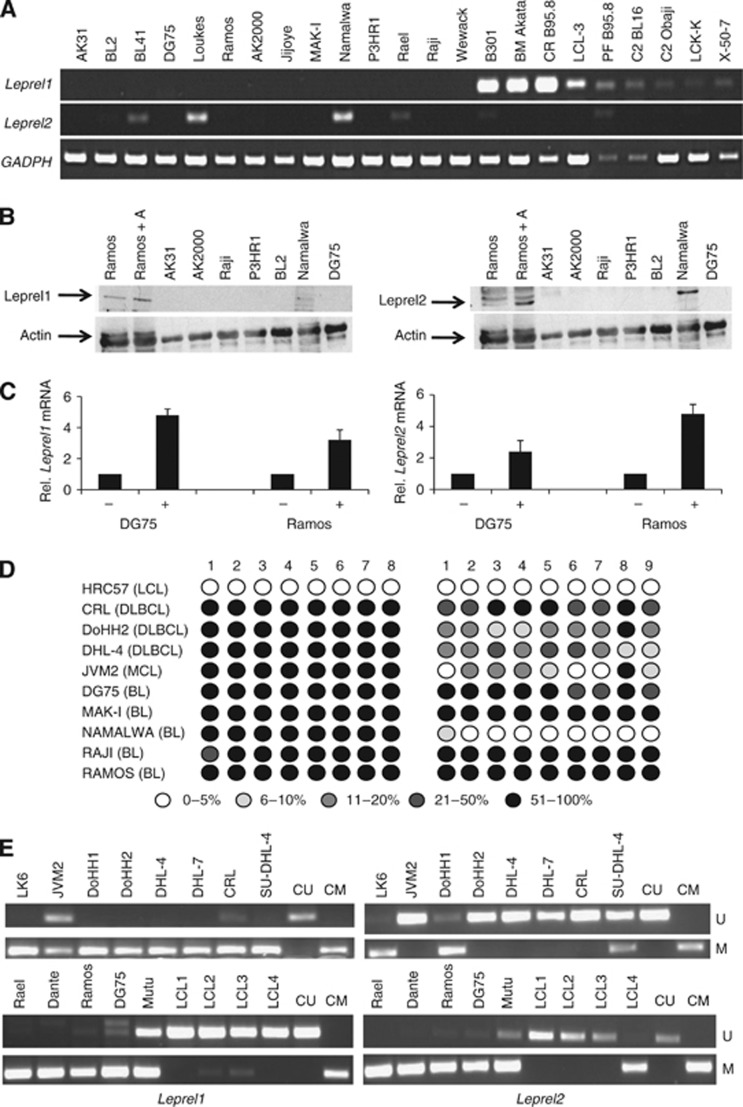
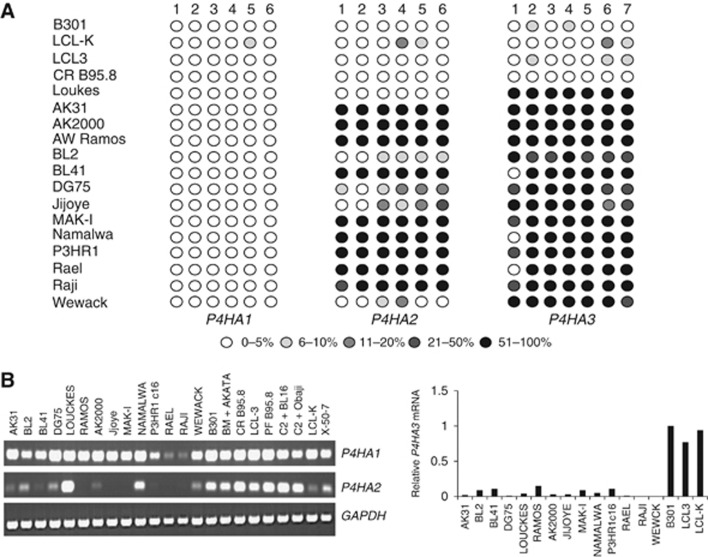
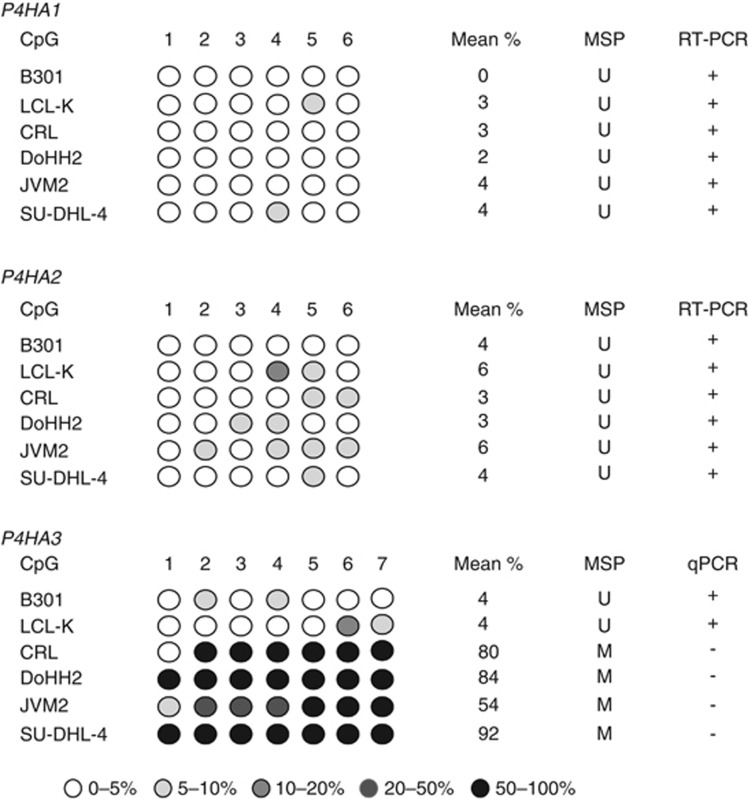
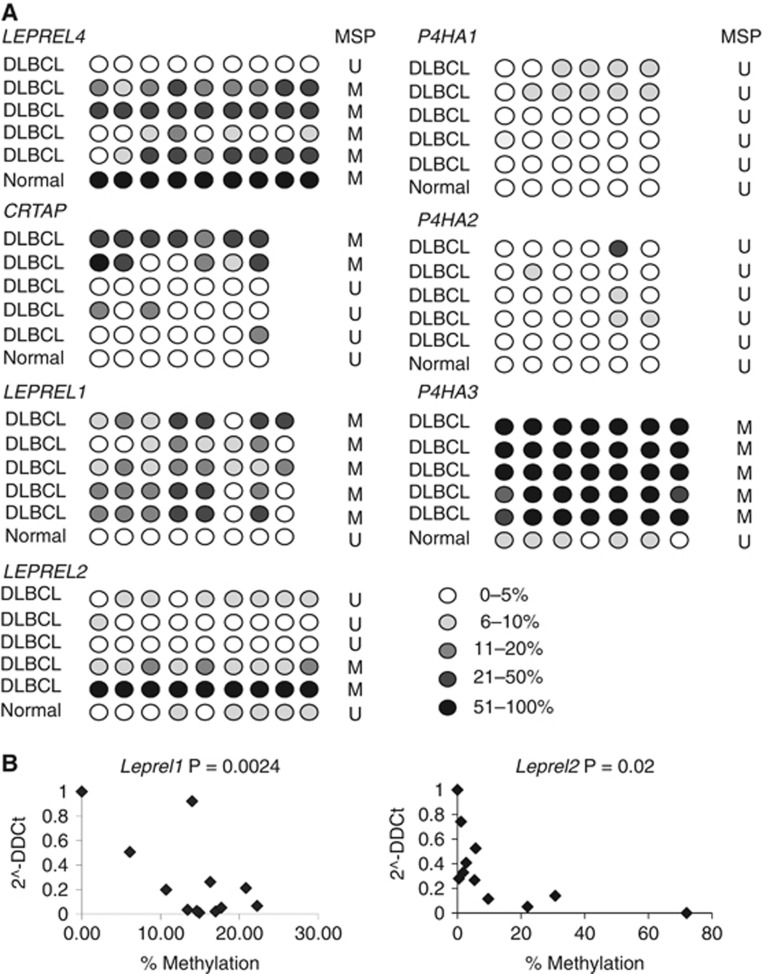
Results: C-P3H and C-P4H are downregulated in lymphoma. Down-regulation is associated with methylation in the CpG islands and is detected in almost all common types of B-cell lymphoma, but the CpG islands are unmethylated or methylated at lower levels in DNA isolated from normal bone marrow and lymphoblastoid cell lines. Methylation of multiple C-P3H and C-P4H genes is present in some lymphomas, particularly Burkitt's lymphoma.
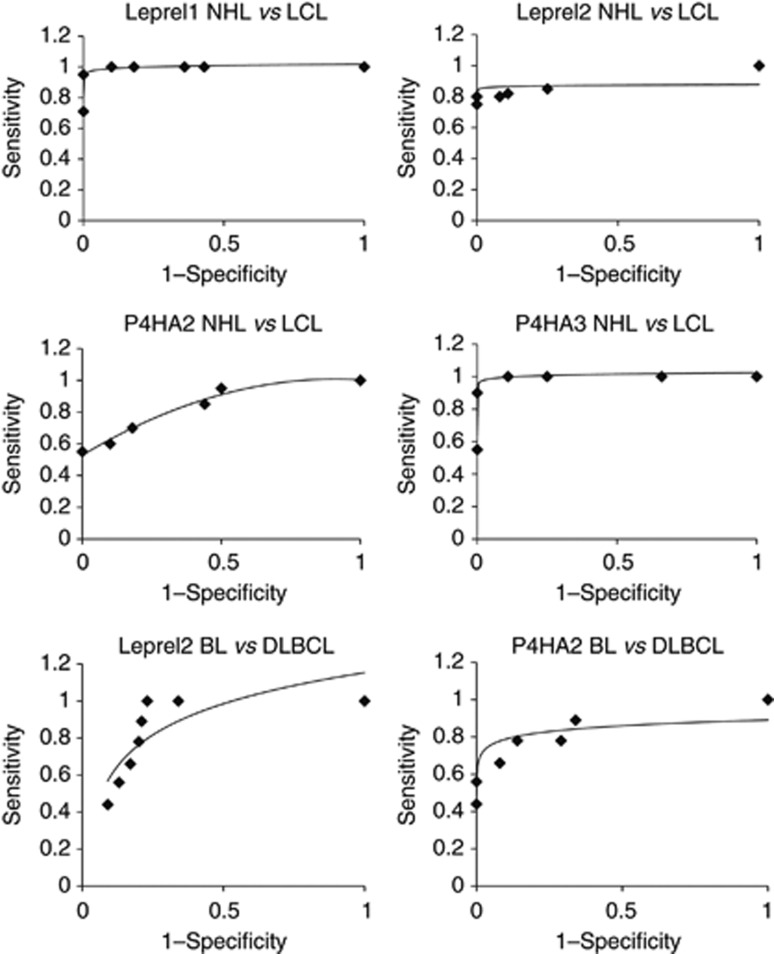
Conclusions: Methylation of C-P3H and C-P4H is common in B lymphomas and may have utility in differentiating disease subtypes.
Figures
References
-
- Baldridge D, Schwarze U, Morello R, Lennington J, Bertin TK, Pace JM, Pepin MG, Weis M, Eyre DR, Walsh J, Lambert D, Green A, Robinson H, Michelson M, Houge G, Lindman C, Martin J, Ward J, Lemyre E, Mitchell JJ, Krakow D, Rimoin DL, Cohn DH, Byers PH, Lee B (2008) CRTAP and LEPRE1 mutations in recessive osteogenesis imperfecta. Human Mutation 29(12): 1435–1442 - PMC - PubMed
-
- Belaud-Rotureau MA, Marietta V, Vergier B, Mainhaguiet G, Turmo M, Idrissi Y, Ferrer J, Beylot-Barry M, Dubus P, Merlio JP (2008) Inactivation of p16INK4a/CDKN2A gene may be a diagnostic feature of large B cell lymphoma leg type among cutaneous B cell lymphomas. Virchows Archiv Int J Pathol 452(6): 607–620 - PubMed
-
- Cabral WA, Chang W, Barnes AM, Weis M, Scott MA, Leikin S, Makareeva E, Kuznetsova NV, Rosenbaum KN, Tifft CJ, Bulas DI, Kozma C, Smith PA, Eyre DR, Marini JC (2007) Prolyl 3-hydroxylase 1 deficiency causes a recessive metabolic bone disorder resembling lethal/severe osteogenesis imperfecta. Nat Genet 39(3): 359–365 - PMC - PubMed
-
- Chaganti RS, Nanjangud G, Schmidt H, Teruya-Feldstein J (2000) Recurring chromosomal abnormalities in non-Hodgkin’s lymphoma: biologic and clinical significance. Sem Hematol 37(4): 396–411 - PubMed
Publication types
MeSH terms
Substances
Grants and funding
LinkOut - more resources
Full Text Sources
Miscellaneous
