


Epimedium koreanum Extract and Its Constituent Icariin Improve Motor Dysfunction in Spinal Cord Injury
- PMID: 22956977
- PMCID: PMC3432561
- DOI: 10.1155/2012/731208
Epimedium koreanum Extract and Its Constituent Icariin Improve Motor Dysfunction in Spinal Cord Injury
Abstract
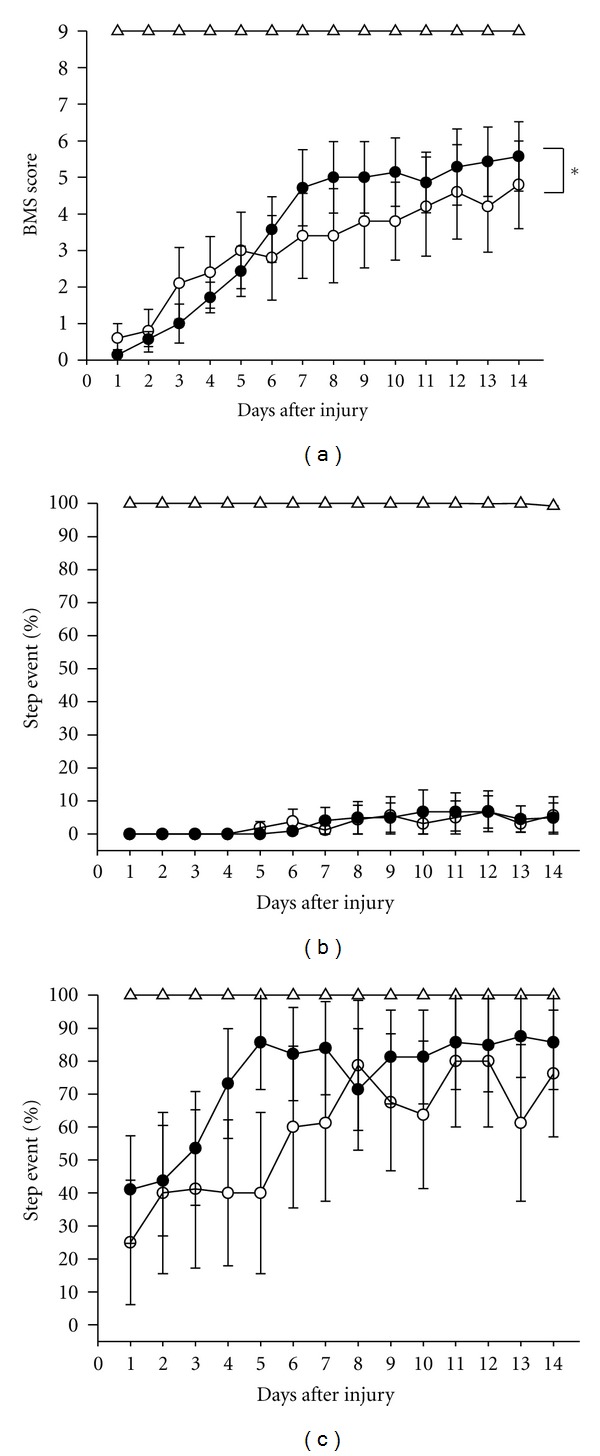
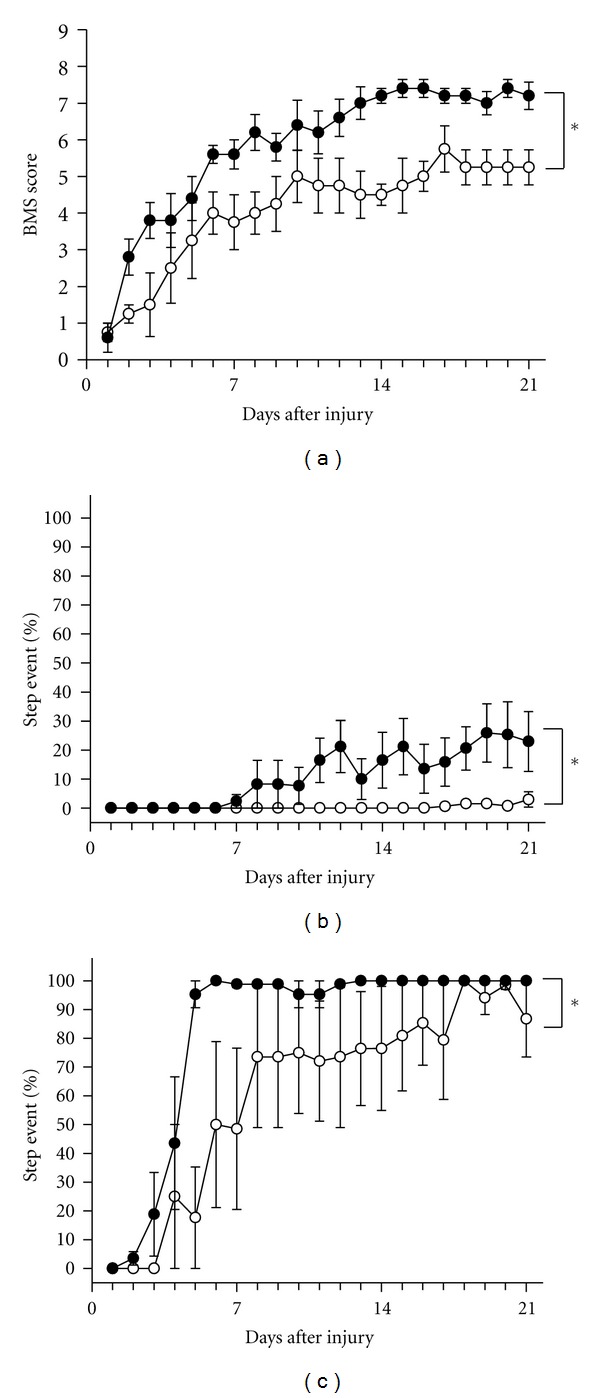
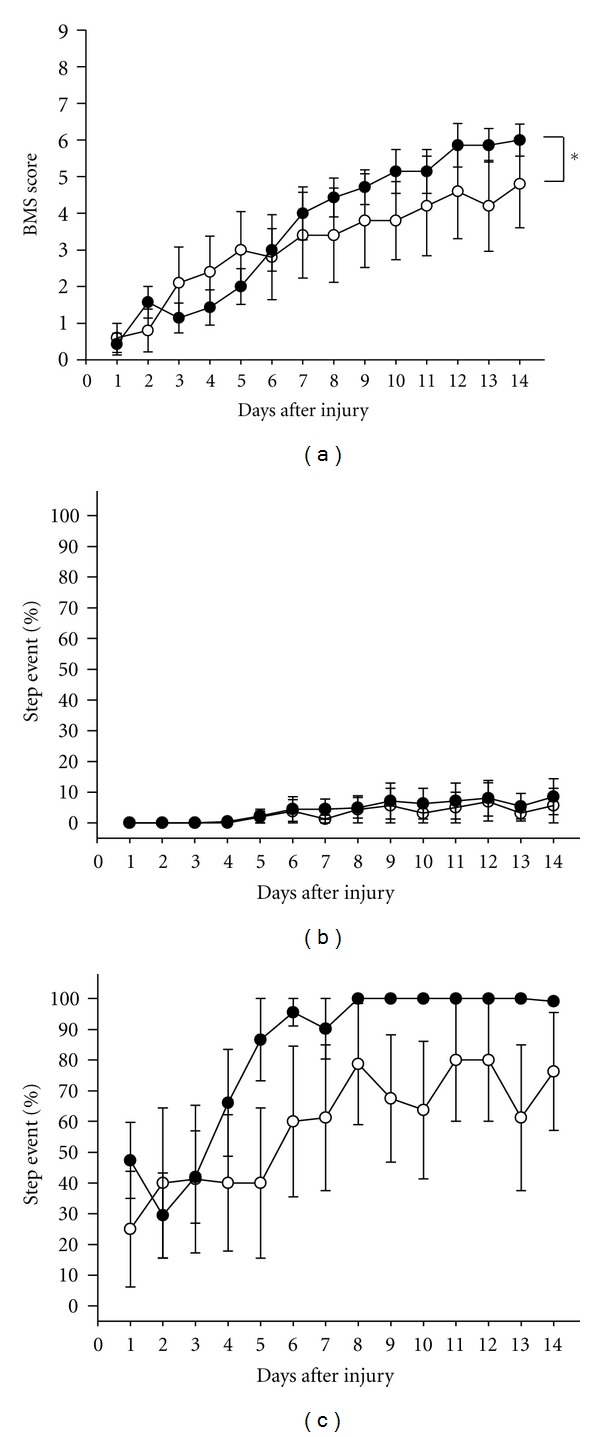
Although cell transplantation strategies for spinal cord injury (SCI) using sources such as iPS cells and neural stem cells are focused as expectative therapies for SCI, the possibility of medication as more accessible and practical way should not be given up. We, therefore, aimed to develop medical sources for SCI. In this paper, we evaluated effects of a famous tonic herb, Epimedium koreanum, on motor dysfunction in spinal cord injury (SCI). The spinal cord was injured by contusion after laminectomy at T10 level. Oral administration of the methanol extract of E. koreanum significantly enhanced hindlimb function in SCI mice by short period treatment (for initial 3 days) and chronic treatment (21 days), although chronic treatment recovered the function more potently. Since it is well known that icariin is the major constituent in E. koreanum, icariin was administered orally to SCI mice for initial 3 days. Motor dysfunction was ameliorated by icariin treatment similarly to the methanol extract of E. koreanum. This paper is the first report to indicate E. koreanum is effective for recovery of motor function in SCI, and at least icariin is an active constituent.
Figures
References
-
- Fehlings MG, Baptiste DC. Current status of clinical trials for acute spinal cord injury. Injury. 2005;36(2):SB113–SB122. - PubMed
-
- Kronvall E, Sayer FT, Nilsson OG. More and more questions about the use of methylprednisolone for the treatment of acute spinal cord injury. Lakartidningen. 2005;102(24-25):1887–1890. - PubMed
-
- Weaver LC, Gris D, Saville LR, et al. Methylprednisolone causes minimal improvement after spinal cord injury in rats, contrasting with benefits of an anti-integrin treatment. Journal of Neurotrauma. 2005;22(12):1375–1387. - PubMed
-
- Okada S, Nakamura M, Katoh H, et al. Conditional ablation of Stat3 or Socs3 discloses a dual role for reactive astrocytes after spinal cord injury. Nature Medicine. 2006;12(7):829–834. - PubMed
-
- Pearse DD, Pereira FC, Marcillo AE, et al. cAMP and Schwann cells promote axonal growth and functional recovery after spinal cord injury. Nature Medicine. 2004;10(6):610–616. - PubMed
LinkOut - more resources
Full Text Sources
Research Materials
