


Effects of red wine and vodka on collateral-dependent perfusion and cardiovascular function in hypercholesterolemic swine
- PMID: 22965995
- PMCID: PMC3448932
- DOI: 10.1161/CIRCULATIONAHA.111.082172
Effects of red wine and vodka on collateral-dependent perfusion and cardiovascular function in hypercholesterolemic swine
Abstract
Background: Moderate consumption of alcohol, particularly red wine, has been shown to decrease cardiac risk. We used a hypercholesterolemic swine model of chronic ischemia to examine the effects of 2 alcoholic beverages on the heart.
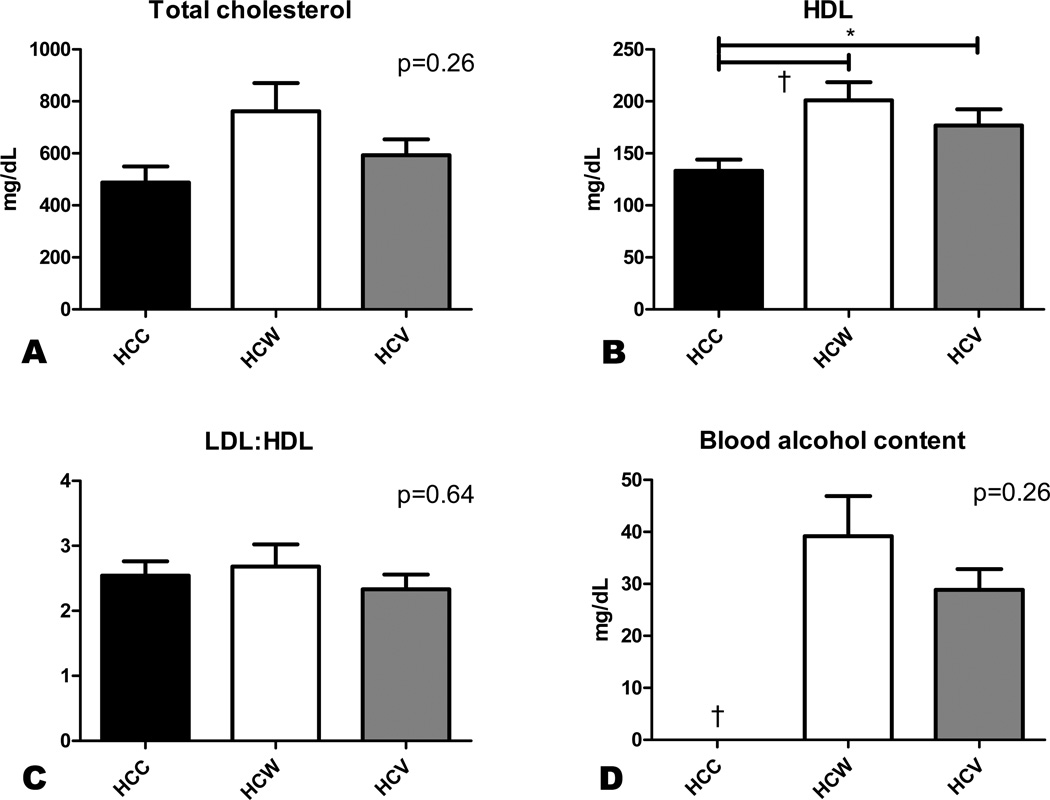
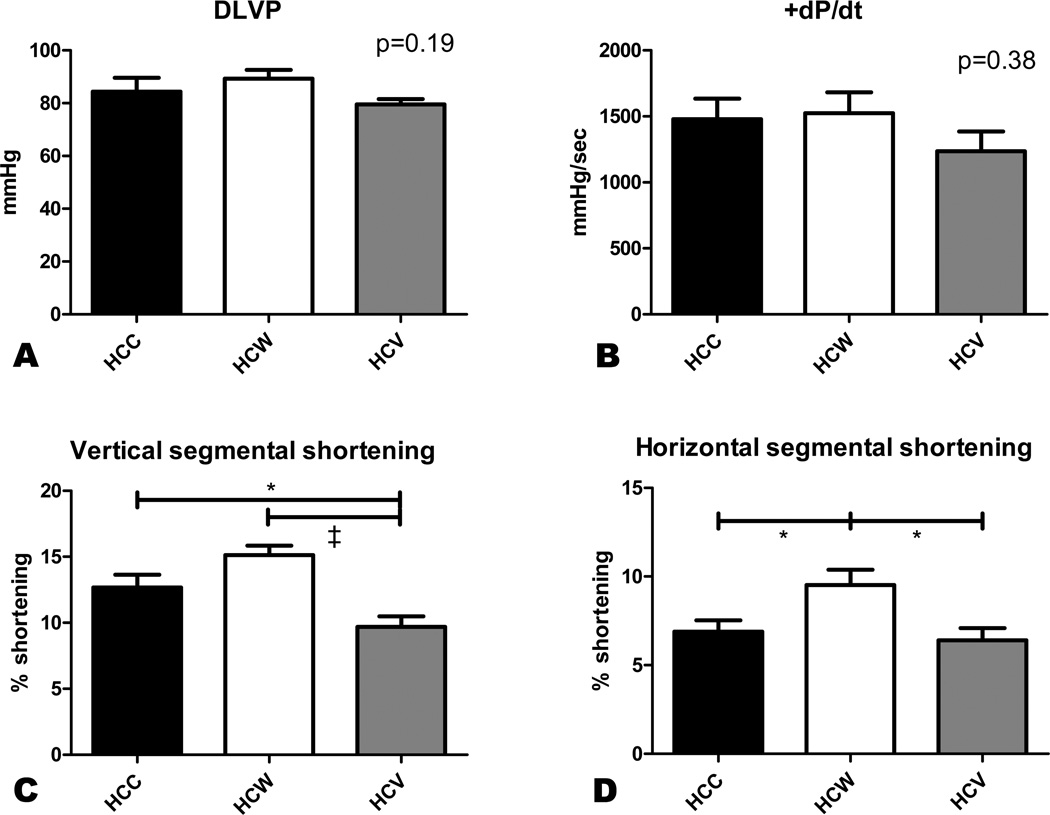
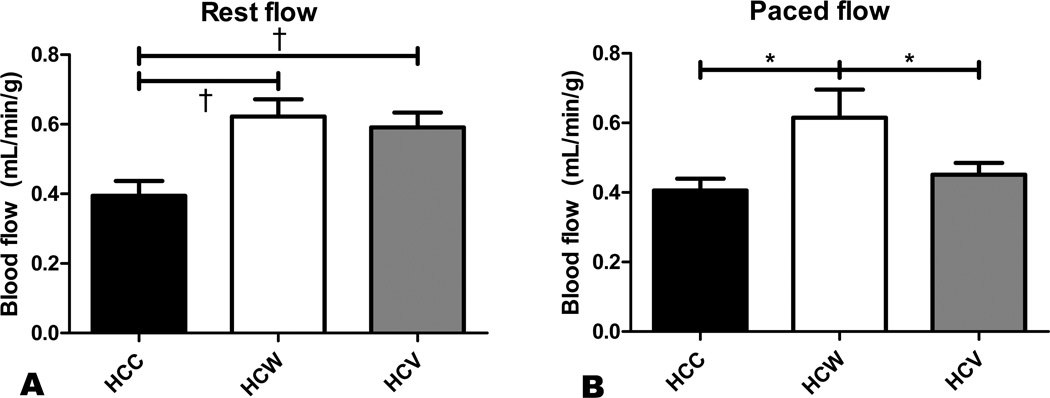
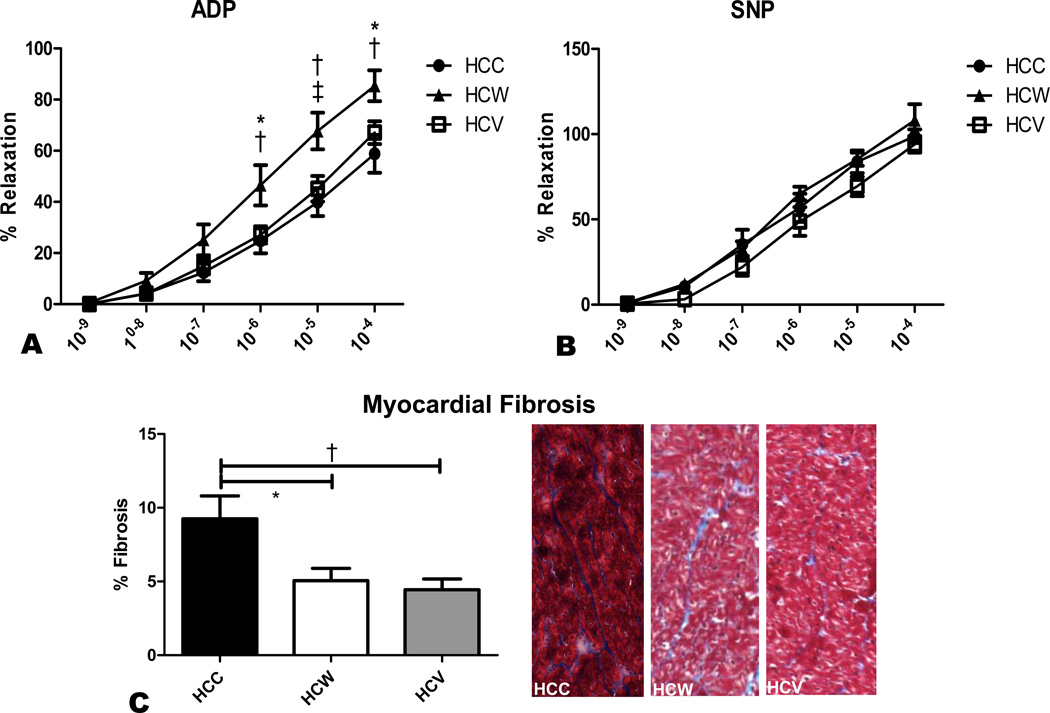
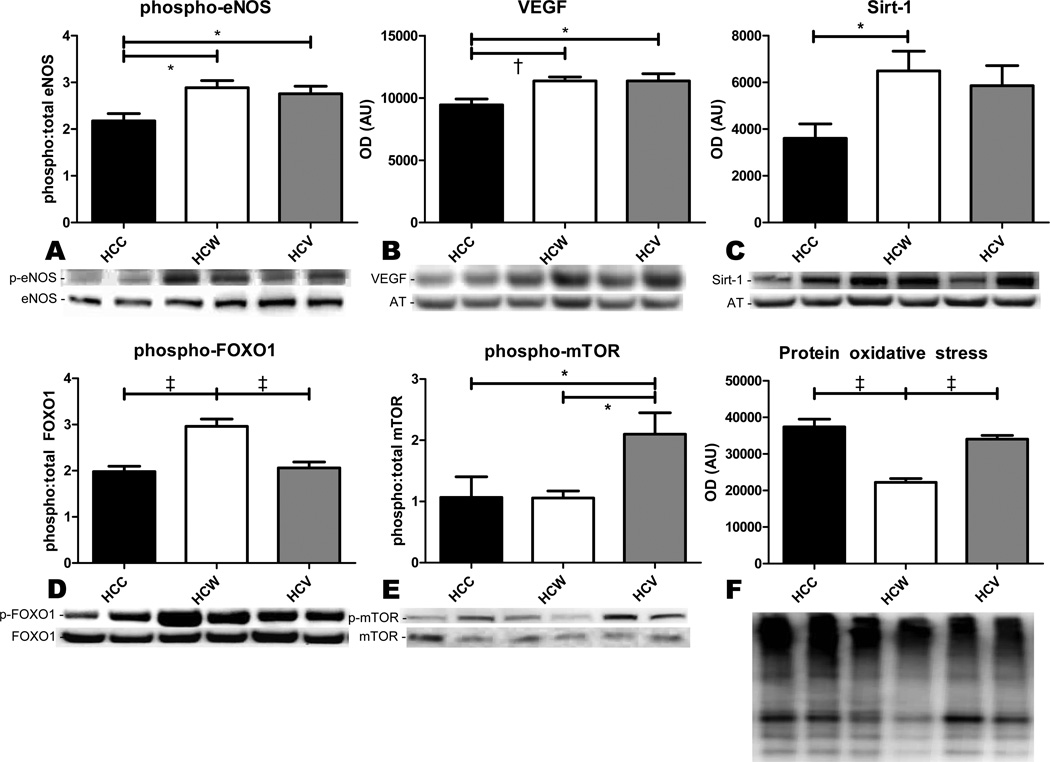
Methods and results: Yorkshire swine fed a high-cholesterol diet underwent left circumflex ameroid constrictor placement to induce chronic ischemia at 8 weeks of age. One group (HCC, n=9) continued on the diet alone, the second (HCW, n=8) was supplemented with red wine (pinot noir, 12.5% alcohol, 375 mL daily), and the third (HCV, n=9) was supplemented with vodka (40% alcohol, 112 mL daily). After 7 weeks, cardiac function was measured, and ischemic myocardium was harvested for analysis of perfusion, myocardial fibrosis, vessel function, protein expression, oxidative stress, and capillary density. Platelet function was measured by aggregometry. Perfusion to the ischemic territory as measured by microsphere injection was significantly increased in both HCW and HCV compared with HCC at rest, but in only the HCW group under ventricular pacing. Microvessel relaxation response to adenosine 5'-diphosphate was improved in the HCW group alone as was regional contractility in the ischemic territory, although myocardial fibrosis was decreased in both HCW and HCV. Expression of proangiogenic proteins phospho-endothelial nitric oxide synthase and vascular endothelial growth factor was increased in both HCW and HCV, whereas phospho-mammalian target of rapamycin was increased only in the HCV group. Expression of Sirt-1 and downstream antioxidant phospho-FoxO1 was increased only in the HCW group. Protein oxidative stress was decreased in the HCW group alone, whereas capillary density was increased only in the HCV group. There was no significant difference in platelet function between groups.
Conclusion: Moderate consumption of red wine and vodka may reduce cardiovascular risk by improving collateral-dependent perfusion through different mechanisms. Red wine may offer increased cardioprotection related to its antioxidant properties.
Figures
References
-
- Saremi A, Arora R. The cardiovascular implications of alcohol and red wine. Am J Ther. 2008;15:265–277. - PubMed
-
- Costanzo S, Di Castelnuovo A, Donati MB, Iacoviello L, de Gaetano G. Alcohol consumption and mortality in patients with cardiovascular disease: a meta-analysis. J Am Coll Cardiol. 2010;55:1339–1347. - PubMed
-
- Gaziano JM, Buring JE, Breslow JL, Goldhaber SZ, Rosner B, VanDenburgh M, Willett W, Hennekens CH. Moderate alcohol intake, increased levels of high-density lipoprotein and its subfractions, and decreased risk of myocardial infarction. N Engl J Med. 1993;329:1829–1834. - PubMed
-
- Jensen T, Retterstel LJ, Sandset PM, Godal HC, Skjonsberg OH. A daily glass of red wine induces a prolonged reduction in plasma viscosity: a randomized controlled trial. Blood Coagul Fibrinolysis. 2006;17:471–476. - PubMed
-
- Teragawa H, Fukuda Y, Matsuda K, Higashi Y, Yamagata T, Matsuura H, Chayama K. Effect of alcohol consumption on endothelial function in men with coronary artery disease. Atherosclerosis. 2002;165:145–152. - PubMed
Publication types
MeSH terms
Substances
Grants and funding
LinkOut - more resources
Full Text Sources
Medical
Research Materials
Miscellaneous
