


Insulin-like growth factor receptor-1 expression predicts postoperative recurrence in adenocarcinoma of the lung
- PMID: 22977544
- PMCID: PMC3440752
- DOI: 10.3892/etm.2011.258
Insulin-like growth factor receptor-1 expression predicts postoperative recurrence in adenocarcinoma of the lung
Abstract
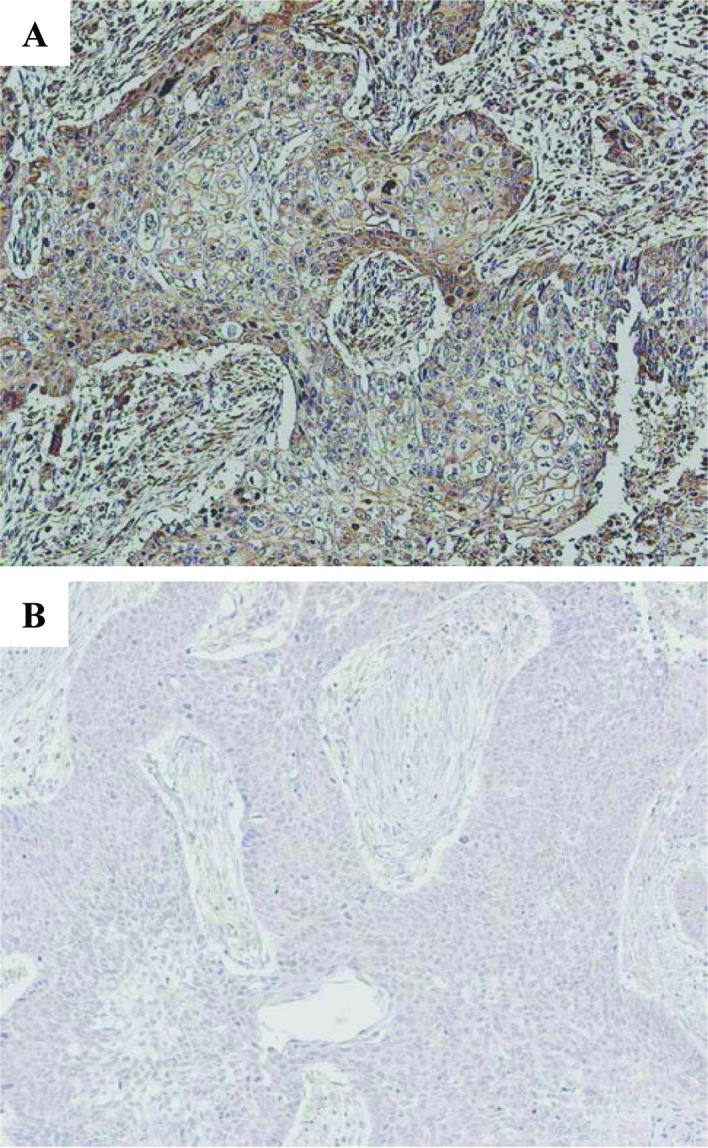
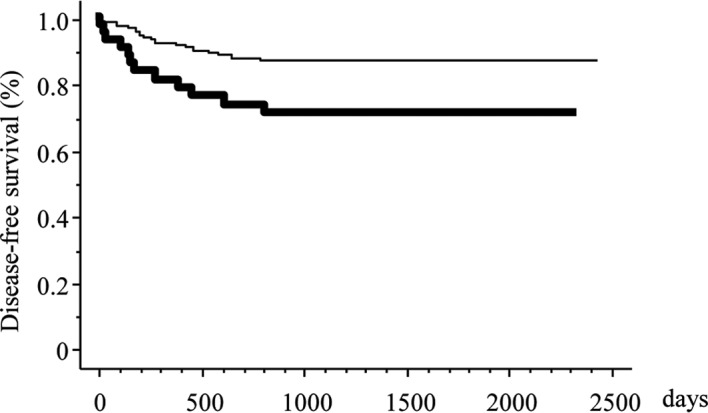
Not all patients with lung cancer require postoperative adjuvant chemotherapy after a complete resection. However, no useful markers exist for either selecting appropriate candidates or for predicting clinical recurrence. The purpose of the present study was to clarify the clinical role of insulin-like growth factor receptor-1 (IGFR1) in lung adenocarcinoma. Tumor specimens were collected from 182 patients who underwent a complete resection for adenocarcinoma of the lung. The expression of IGFR1 was evaluated by immunohistochemistry. The genetic status of the epidermal growth factor receptor (EGFR) and K-ras genes was also investigated by PCR-based analyses. Immunohistochemistry and real-time PCR assays were used to evaluate the MET gene association with tyrosine phosphorylation and hepatocyte growth factor (HGF) status, and amplification, respectively. Positive expression of IGFR1 was detected in 43 (23.6%) of the 182 cases. A positive IGFR1 expression was also identified in 12 (42.9%) and 31 (20.1%) of the patients with and without recurrence, respectively (p=0.009). Logistic regression models indicated that positive staining for IGFR1 expression was an independent factor associated with tumor recurrence. IGFR1 expression was associated with a poorer disease-free survival (DFS). Multivariate analysis demonstrated positive IGFR1 expression to be independently associated with an increased risk for poor DFS. The tumors appearing positive for IGFR1 were more frequent among those with K-ras mutations when compared with the wild-type group. IGFR1 expression was associated with reduced DFS correlating with postoperative recurrence. Therefore, the expression status of IGFR1 can be a candidate surrogate marker to select patients who may benefit from adjuvant chemotherapy.
Figures
References
-
- Parkin DM, Bray F, Ferlay J, Pisani P. Global cancer statistics, 2002. CA Cancer J Clin. 2005;55:74–108. - PubMed
-
- Janssen-Heijnen ML, Coebergh JW. Trends in incidence and prognosis of the histological subtypes of lung cancer in North America, Australia, New Zealand and Europe. Lung Cancer. 2001;31:123–137. - PubMed
-
- Goya T, Asamura H, Yoshimura H, Kato H, Shimokata K, Tsuchiya R, Sohara Y, Miya T, Miyaoka E. The Japanese Joint Committee of Lung Cancer Registry Prognosis of 6644 resected non-small cell lung cancers in Japan: a Japanese lung cancer registry study. Lung Cancer. 2005;50:227–234. - PubMed
-
- Pignon JP, Tribodet H, Scagliotti GV, et al. Lung adjuvant cisplatin evaluation: a pooled analysis by the LACE Collaborative Group. J Clin Oncol. 2008;26:3552–3559. - PubMed
-
- Kato H, Ichinose Y, Ohta M, Hata E, Tsubota N, Tada H, Watanabe Y, Wada H, Tsuboi M, Hamajima N, Ohta M. Japan Lung Cancer Research Group on Postsurgical Adjuvant Chemotherapy. A randomized trial of adjuvant chemotherapy with uracil-tegafur for adenocarcinoma of the lung. N Engl J Med. 2004;350:1713–1721. - PubMed
LinkOut - more resources
Full Text Sources
Research Materials
Miscellaneous