


Randomized, controlled clinical trial of bilayer ceramic and metal-ceramic crown performance
- PMID: 22978697
- PMCID: PMC3625457
- DOI: 10.1111/j.1532-849X.2012.00913.x
Randomized, controlled clinical trial of bilayer ceramic and metal-ceramic crown performance
Abstract
Purpose: Analyzing the clinical performance of restorative materials is important, as there is an expectation that these materials and procedures will restore teeth and do no harm. The objective of this research study was to characterize the clinical performance of metal-ceramic crowns, core ceramic crowns, and core ceramic/veneer ceramic crowns based on 11 clinical criteria.
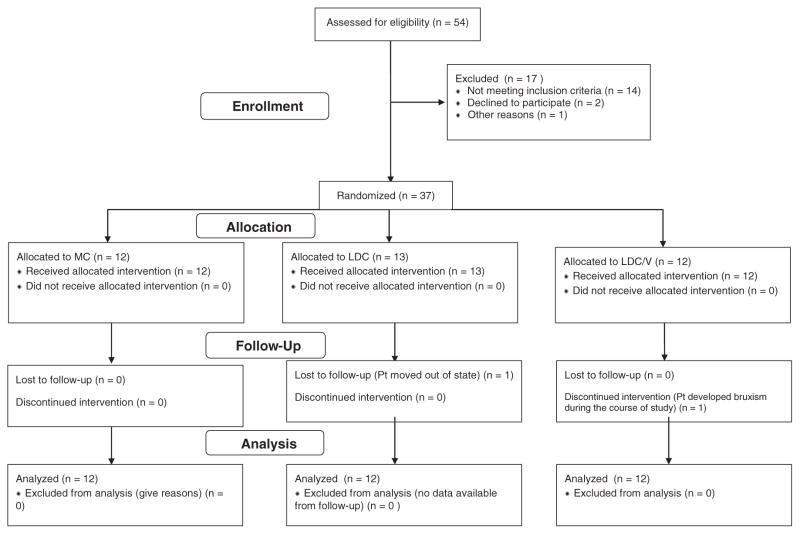
Materials and methods: An IRB-approved, randomized, controlled clinical trial was conducted as a single-blind pilot study. The following three types of full crowns were fabricated: (1) metal-ceramic crown (MC) made from a Pd-Au-Ag-Sn-In alloy (Argedent 62) and a glass-ceramic veneer (IPS d.SIGN veneer); (2) non-veneered (glazed) lithium disilicate glass-ceramic crown (LDC) (IPS e.max Press core and e.max Ceram Glaze); and (3) veneered lithia disilicate glass-ceramic crown (LDC/V) with glass-ceramic veneer (IPS Empress 2 core and IPS Eris). Single-unit crowns were randomly assigned. Patients were recalled for each of 3 years and were evaluated by two calibrated clinicians. Thirty-six crowns were placed in 31 patients. A total of 12 crowns of each of the three crown types were studied. Eleven criteria were evaluated: tissue health, marginal integrity, secondary caries, proximal contact, anatomic contour, occlusion, surface texture, cracks/chips (fractures), color match, tooth sensitivity, and wear (of crowns and opposing enamel). Numerical rankings ranged from 1 to 4, with 4 being excellent, and 1 indicating a need for immediate replacement. Statistical analysis of the numerical rankings was performed using a Fisher's exact test.
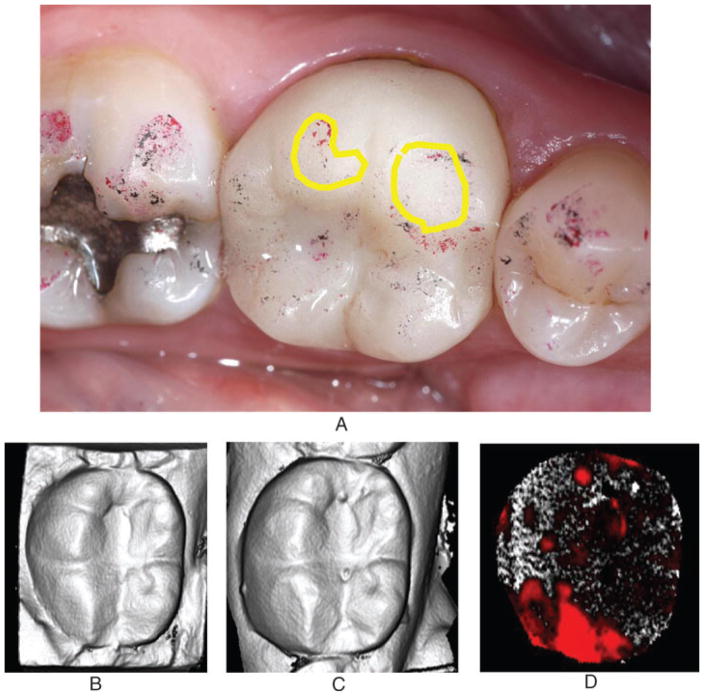
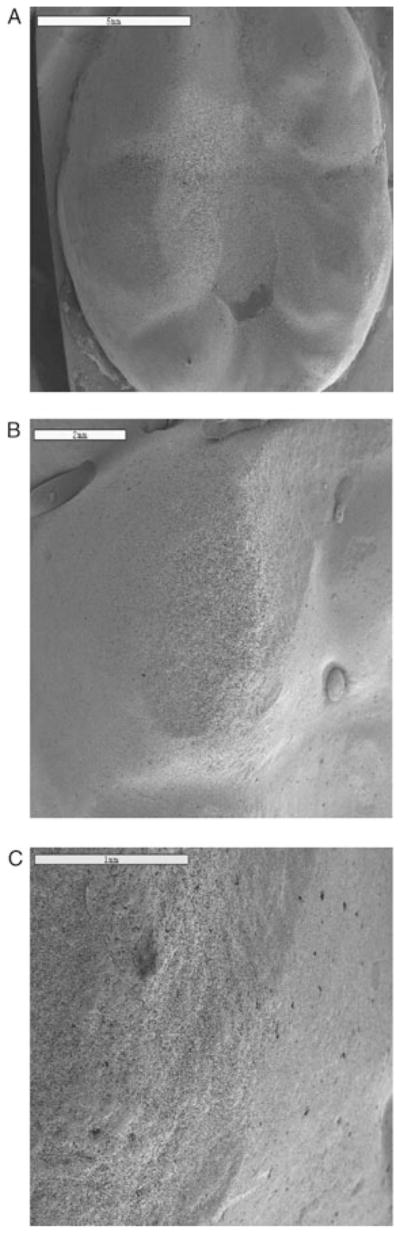
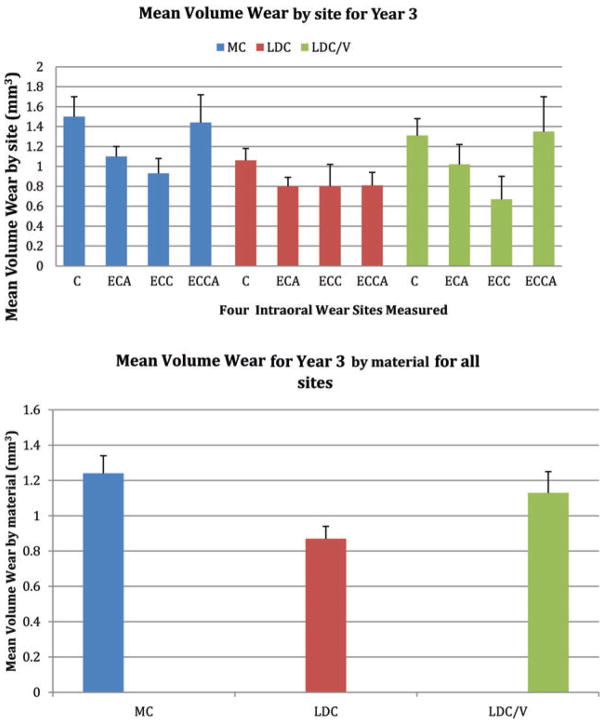
Results: There was no statistically significant difference between performance of the core ceramic crowns and the two veneered crowns at year 1 and year 2 (p > 0.05). All crowns were rated either as excellent or good for each of the clinical criteria; however, between years 2 and 3, gradual roughening of the occlusal surface occurred in some of the ceramic-ceramic crowns, possibly caused by dissolution and wear of the glaze. Statistically significant differences in surface texture (p= 0.0013) and crown wear (p= 0.0078) were found at year 3 between the metal-ceramic crowns and the lithium-disilicate-based crowns.
Conclusion: Based on the 11 criteria, the clinical performance of ceramic-ceramic crowns was comparable to that of the metal-ceramic crowns after 2 years; however, gradual roughening occurred between years 2 and 3, which resulted in differences in surface texture and wear.
© 2012 by the American College of Prosthodontists.
Conflict of interest statement
The authors deny any conflicts of interest.
Figures
References
-
- Raigrodski AJ, Chiche GJ. The safety and efficacy of anterior ceramic fixed partial dentures: a review of the literature. J Prosthet Dent. 2001;86:520–525. - PubMed
-
- Sorensen JA. The IPS Empress 2 system: defining the possibilities. Quintessence Dent Technol. 1999;22:153–163.
-
- Rosenstiel SL, Land MF, Fujimoto J. Contemporary Fixed Prosthodontics. 4. St. Louis, Missouri: Mosby Elsevier; 2006.
-
- Sorensen JA, Cruz M, Mito WT, Raffeiner O, Meredith HR, Foser HP. A clinical investigation on three-unit fixed partial dentures fabricated with a lithium disilicate glass–ceramic. Pract Periodontics Aesthet Dent. 1999;11:95–106. quiz 08. - PubMed
-
- Gargiulo AW, Wentz FM, Orban B. Dimensions and relationships of the dentogingival junction in humans. J Periodontol. 1961;32:261–267.
Publication types
MeSH terms
Substances
Grants and funding
LinkOut - more resources
Full Text Sources
Other Literature Sources
Research Materials
Miscellaneous
