


"Safe and effective when used as directed": the case of chronic use of opioid analgesics
- PMID: 22983893
- PMCID: PMC3550253
- DOI: 10.1007/s13181-012-0257-8
"Safe and effective when used as directed": the case of chronic use of opioid analgesics
Abstract
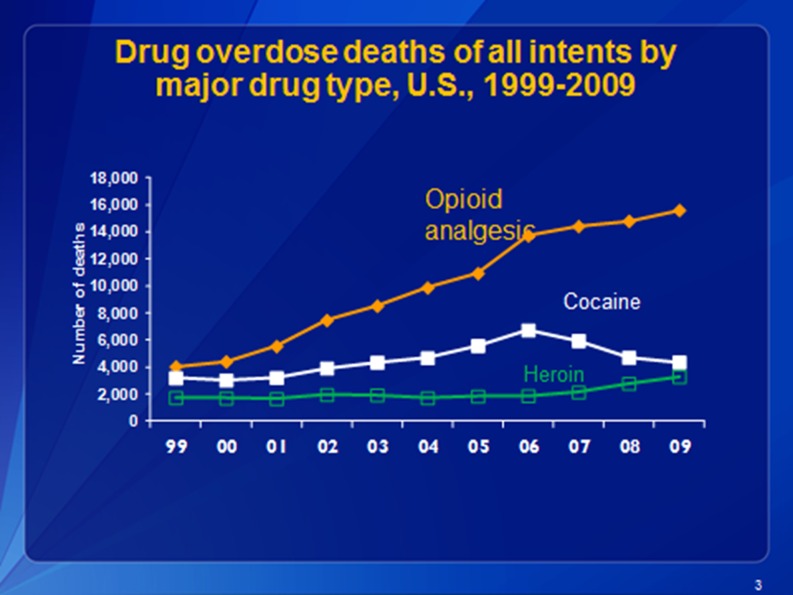
Opioid analgesics have been used increasingly over the past 20 years for the management of chronic non-cancer pain in the USA under the assumption that they were safe and effective when used as directed. The accuracy of that assumption has not been tested against accumulated evidence. The safety of opioids used on a long-term basis has not been tested in clinical trials. Epidemiologic evidence from examinations of such use in the general population indicates that the risk of overdose increases in a dose-response manner. Such evidence also suggests increased risk of fractures and acute myocardial infarctions among elderly users of opioids for chronic pain. Experimental evidence supports short-term use of opioids, but trials of long-term use for chronic pain have not been conducted. Epidemiologic evidence suggests that long-term use does not result in improvement in function or quality of life while being associated with significant dropout rates and a high prevalence of adverse drug effects. Substantial fractions of patients are not using opioid analgesics as directed, while millions of US residents are using them without a prescription for nonmedical reasons. A prudent treatment approach consistent with the available evidence would be to reserve chronic opioid therapy for serious pain-related problems for which the effectiveness of opioids has been demonstrated and for patients whose use as directed is assured through close monitoring and for whom an explicit, informed calculation has been made that the benefits of opioids outweigh the risks.
Figures
References
-
- Ng L (1981) New approaches to treatment of chronic pain: a review of multidisciplinary pain clinics and pain centers. NIDA Res Monogr 36 - PubMed
-
- Substance Abuse and Mental Health Services Administration . Narcotic analgesics, 2002 update. Rockville: Substance Abuse and Mental Health Services Administration, Center for Behavioral Health Statistics and Quality; 2004.
Publication types
MeSH terms
Substances
LinkOut - more resources
Full Text Sources
Medical
Miscellaneous
