


The collection of NFATc1-dependent transcripts in the osteoclast includes numerous genes non-essential to physiologic bone resorption
- PMID: 22985540
- PMCID: PMC3457000
- DOI: 10.1016/j.bone.2012.08.113
The collection of NFATc1-dependent transcripts in the osteoclast includes numerous genes non-essential to physiologic bone resorption
Abstract
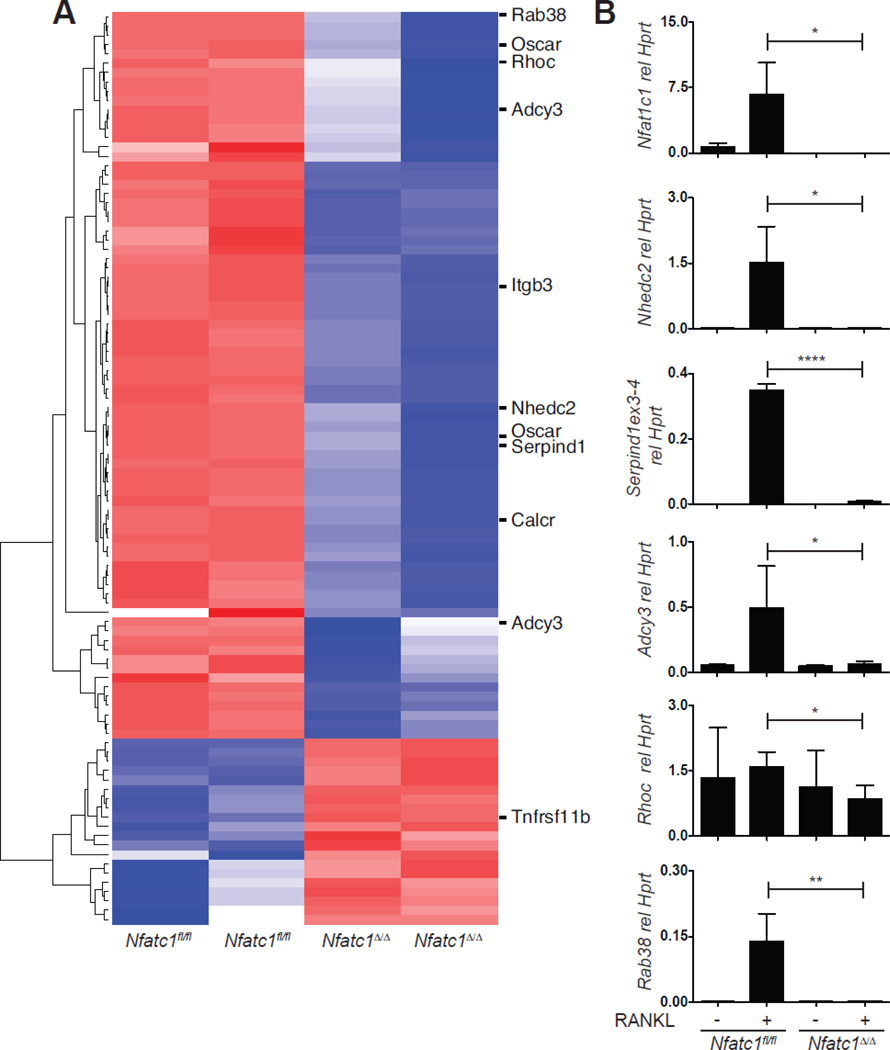
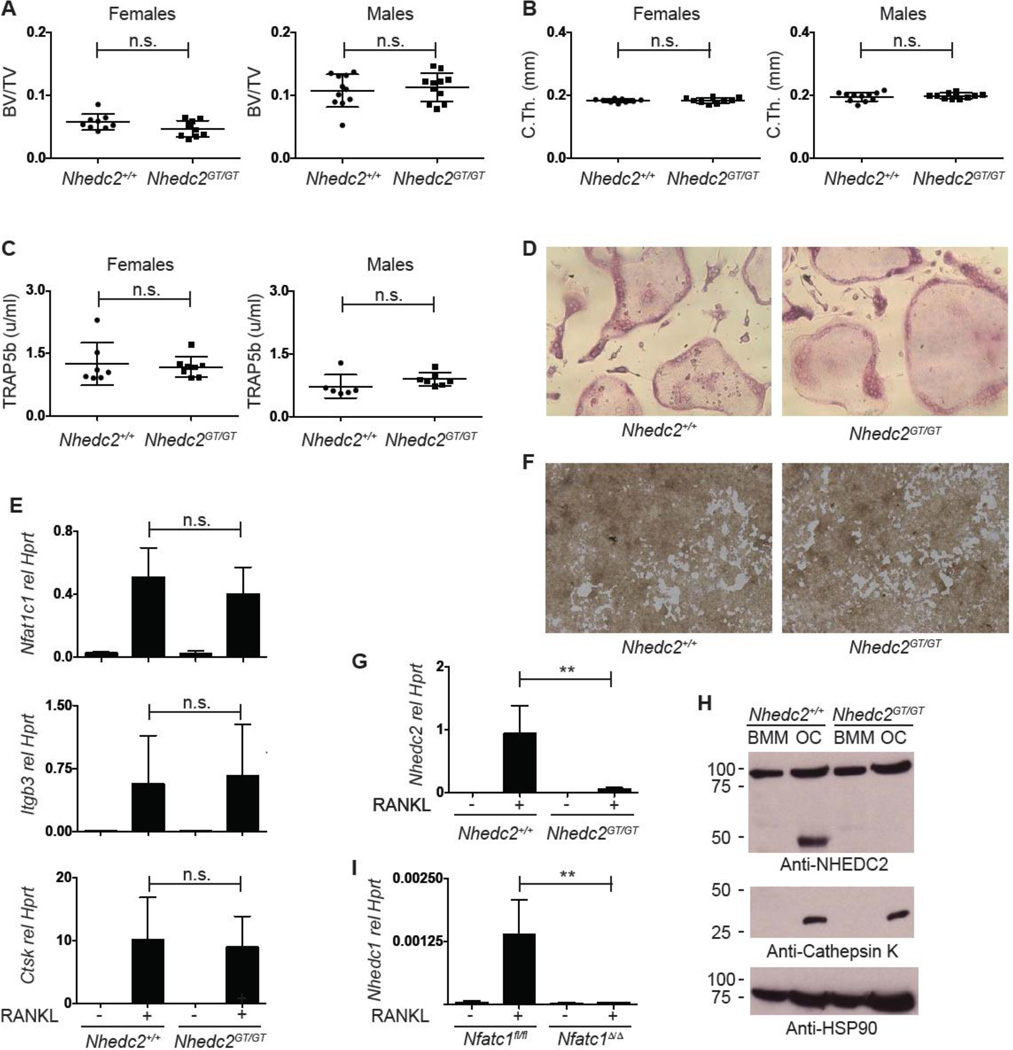
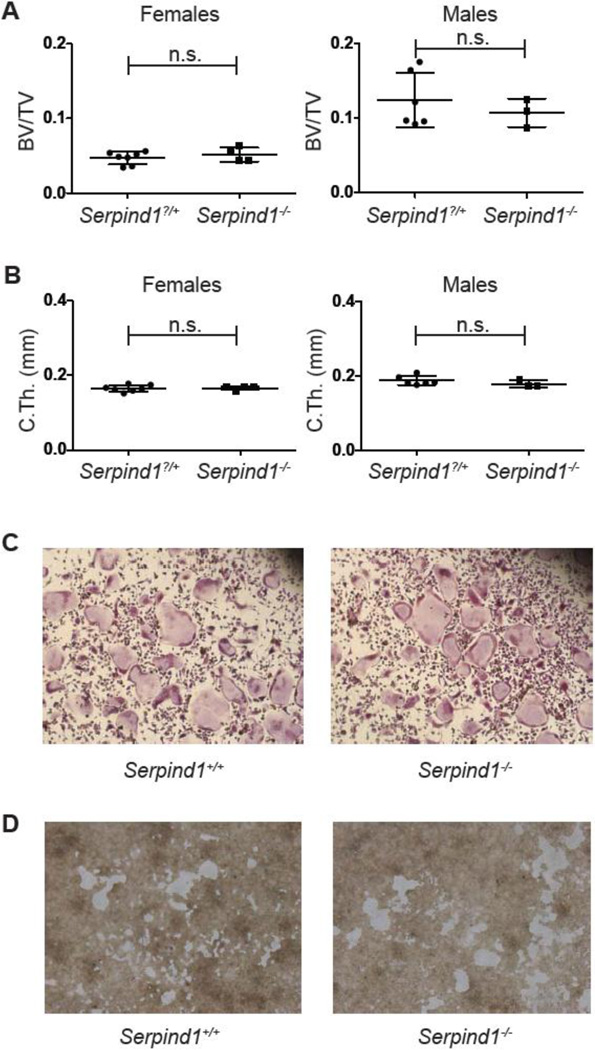
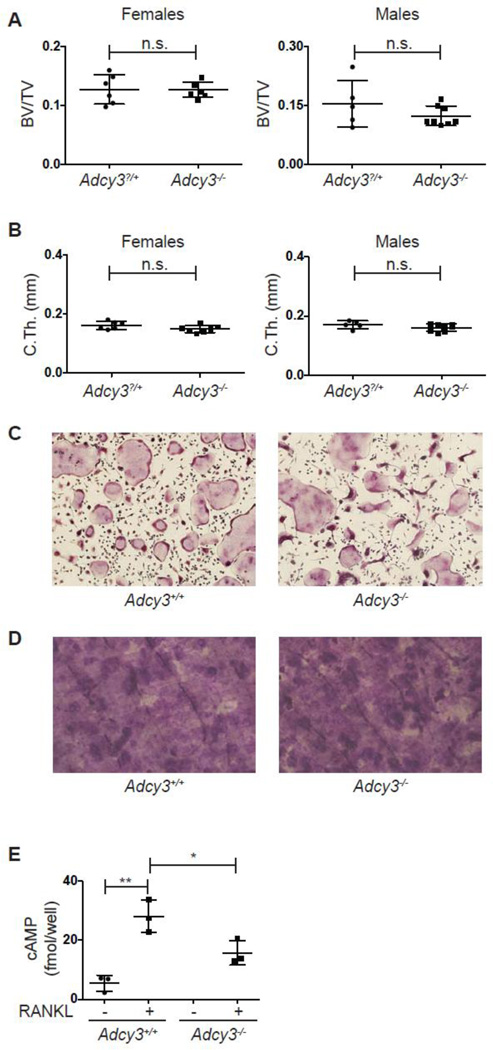
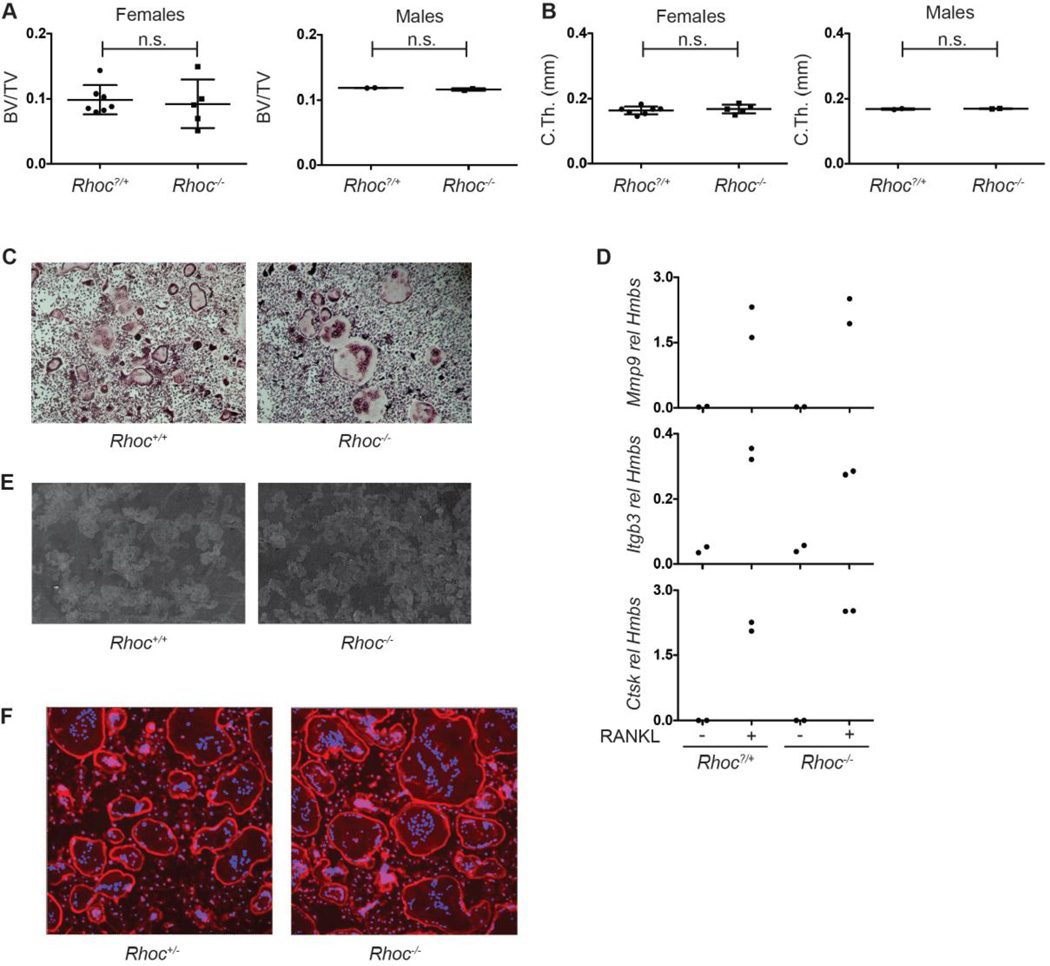
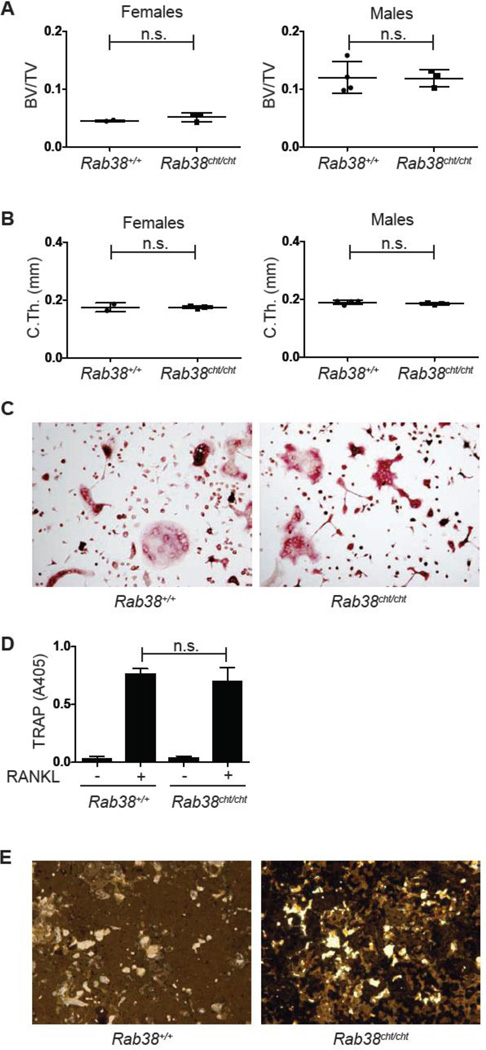
Osteoclasts are specialized secretory cells of the myeloid lineage important for normal skeletal homeostasis as well as pathologic conditions of bone including osteoporosis, inflammatory arthritis and cancer metastasis. Differentiation of these multinucleated giant cells from precursors is controlled by the cytokine RANKL, which through its receptor RANK initiates a signaling cascade culminating in the activation of transcriptional regulators which induce the expression of the bone degradation machinery. The transcription factor nuclear factor of activated T-cells c1 (NFATc1) is the master regulator of this process and in its absence osteoclast differentiation is aborted both in vitro and in vivo. Differential mRNA expression analysis by microarray is used to identify genes of potential physiologic relevance across nearly all biologic systems. We compared the gene expression profile of murine wild-type and NFATc1-deficient osteoclast precursors stimulated with RANKL and identified that the majority of the known genes important for osteoclastic bone resorption require NFATc1 for induction. Here, five novel RANKL-induced, NFATc1-dependent transcripts in the osteoclast are described: Nhedc2, Rhoc, Serpind1, Adcy3 and Rab38. Despite reasonable hypotheses for the importance of these molecules in the bone resorption pathway and their dramatic induction during differentiation, the analysis of mice with mutations in these genes failed to reveal a function in osteoclast biology. Compared to littermate controls, none of these mutants demonstrated a skeletal phenotype in vivo or alterations in osteoclast differentiation or function in vitro. These data highlight the need for rigorous validation studies to complement expression profiling results before functional importance can be assigned to highly regulated genes in any biologic process.
Copyright © 2012 Elsevier Inc. All rights reserved.
Figures
References
-
- Sims NA, Gooi JH. Bone remodeling: Multiple cellular interactions required for coupling of bone formation and resorption. Semin Cell Dev Biol. 2008;19:444–451. - PubMed
-
- Miller PD. Denosumab: anti-RANKL antibody. Curr Osteoporos Rep. 2009;7:18–22. - PubMed
-
- Kendler DL, Roux C, Benhamou CL, Brown JP, Lillestol M, Siddhanti S, Man HS, San Martin J, Bone HG. Effects of denosumab on bone mineral density and bone turnover in postmenopausal women transitioning from alendronate therapy. J Bone Miner Res. 2010;25:72–81. - PubMed
-
- Woo SB, Hellstein JW, Kalmar JR. Narrative [corrected] review: bisphosphonates and osteonecrosis of the jaws. Ann Intern Med. 2006;144:753–761. - PubMed
Publication types
MeSH terms
Substances
Grants and funding
- R01 NS020498/NS/NINDS NIH HHS/United States
- DC04156/DC/NIDCD NIH HHS/United States
- HHMI/Howard Hughes Medical Institute/United States
- R01AR060363/AR/NIAMS NIH HHS/United States
- K08 AR062590/AR/NIAMS NIH HHS/United States
- HL55520/HL/NHLBI NIH HHS/United States
- K08 AR054859/AR/NIAMS NIH HHS/United States
- R01 AR060363/AR/NIAMS NIH HHS/United States
- R01 DC004156/DC/NIDCD NIH HHS/United States
- R01 HL055520/HL/NHLBI NIH HHS/United States
- P30 AR046032/AR/NIAMS NIH HHS/United States
- K08AR054859/AR/NIAMS NIH HHS/United States
LinkOut - more resources
Full Text Sources
Molecular Biology Databases
Miscellaneous
