. 2012 Nov-Dec;7(6):516-24.
doi: 10.1002/cmmi.1484.

cGMP-Compatible preparative scale synthesis of near-infrared fluorophores

Affiliations

cGMP-Compatible preparative scale synthesis of near-infrared fluorophores

Hoon Hyun et al. Contrast Media Mol Imaging. 2012 Nov-Dec.

Abstract

Image-guided surgery using optical imaging requires the availability of large quantities of clinical-grade fluorophores. We describe the cGMP-compatible synthesis of the zwitterionic heptamethine indocyanine near-infrared fluorophore ZW800-1 at the 10 g scale (~1000 patient doses) using facile and efficient solvent purification, and without the need for column chromatography. ZW800-1 has >90% yield at the final step and >99% purity as measured by fluorescence and evaporative light scatter detection. We describe an analytical framework for qualifying impurities, as well as a detailed analysis of counterion identities. Finally, we report the unique in vivo properties of ZW800-1 in large animals approaching the size of humans, thus laying the foundation for rapid clinical translation of these methods.


Conflict of interest statement

COMPETING FINANCIAL INTERESTS

FLARE technology is owned by Beth Israel Deaconess Medical Center, a teaching hospital of Harvard Medical School. It has been licensed to the FLARE Foundation, a nonprofit organization focused on promoting the dissemination of medical imaging technology for research and clinical use. Dr. Frangioni is the founder and chairman of the FLARE Foundation. The Beth Israel Deaconess Medical Center will receive royalties for sale of FLARE Technology. Dr. Frangioni has elected to surrender post-market royalties to which he would otherwise be entitled as inventor, and has elected to donate pre-market proceeds to the FLARE Foundation.

Figures

Figure 1
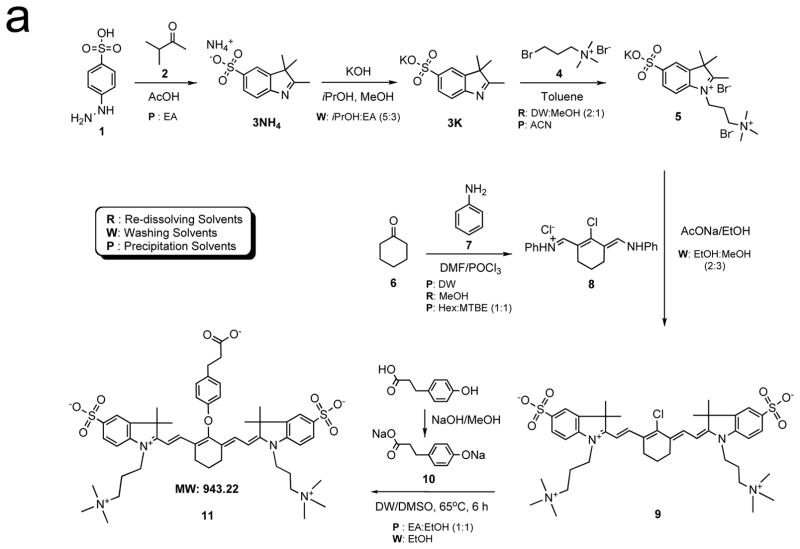
Figure 1. cGMP-compatible synthesis of ZW800-1
a. Scheme. AcOH, acetic acid; EA, ethyl acetate; KOH, potassium hydroxide; iPrOH, 2-propanol; MeOH, methanol; DW, distilled water; ACN, acetonitrile; DMF, N,N-dimethylformamide; POCl3, phosphorus oxychloride; Hex, n-hexane; MTBE, methyl tertiary butyl ether; AcONa, sodium acetate; EtOH, ethanol; NaOH, sodium hydroxide; DMSO, dimethyl sulfoxide. b. LC-MS analysis using a photodiode array (PDA) at 210 nm, PDA at 770 nm, fluorescence detector (FLD; 770 nm excitation/790 nm emission), evaporative light scatter detection (ELSD), and electrospray time-of-flight mass spectrometry (TOF-MS ES+). Mobile phases were water supplemented with 0.1% formic acid (FA) and ACN, and separation occurred using a gradient of 0% to 90% ACN over 20 min at a flow rate of 1 mL/min.
Figure 1
Figure 1. cGMP-compatible synthesis of ZW800-1
a. Scheme. AcOH, acetic acid; EA, ethyl acetate; KOH, potassium hydroxide; iPrOH, 2-propanol; MeOH, methanol; DW, distilled water; ACN, acetonitrile; DMF, N,N-dimethylformamide; POCl3, phosphorus oxychloride; Hex, n-hexane; MTBE, methyl tertiary butyl ether; AcONa, sodium acetate; EtOH, ethanol; NaOH, sodium hydroxide; DMSO, dimethyl sulfoxide. b. LC-MS analysis using a photodiode array (PDA) at 210 nm, PDA at 770 nm, fluorescence detector (FLD; 770 nm excitation/790 nm emission), evaporative light scatter detection (ELSD), and electrospray time-of-flight mass spectrometry (TOF-MS ES+). Mobile phases were water supplemented with 0.1% formic acid (FA) and ACN, and separation occurred using a gradient of 0% to 90% ACN over 20 min at a flow rate of 1 mL/min.
Figure 2
Figure 2. Optical properties of ZW800-1 in aqueous buffers and organic solvents
a. Absorbance (Abs) and fluorescence (FL) spectra of 1 μM ZW800-1 after incubating in FBS supplemented with 50 mM HEPES (pH 7.4) at 37°C for 4 h. b. Optical properties of preparative scale ZW800-1 in various aqueous buffers and organic solvents. c. Effect of fluorophore concentration on total fluorescence yield (i.e., quenching) in PBS and FBS as measured using a 90° (left) or 0° (right) excitation/emission geometry.
Figure 3
Figure 3. Biodistribution and clearance of ZW800-1 in mice and pigs
a. Dose-dependent clearance of ZW800-1 in mice. ZW800-1 was injected intravenously into CD-1 mice at a dose of 30 nmol (1.35 mg/kg), 60 nmol (2.7 mg/kg), and 120 nmol (5.5 mg/kg), 4 h prior to imaging. Shown are representative images from N = 3 animals per dose. NIR fluorescence images for each condition have identical exposure times and normalizations. Scale bars = 1 cm. b. Blood clearance (%ID/g), blood half-life (mean ± 95% confidence intervals), and elimination of the injected dose into urine in 35 kg Yorkshire pigs. Each data point is the mean ± S.D. from N = 3 animals. c. Tissue/organ uptake in 35 kg Yorkshire pigs 1 h post-intravenous injection of 11.5 mg of ZW800-1 or ICG. Shown are color and 800 nm NIR fluorescence images of the skin and surgically exposed organs/tissues. NIR fluorescence images have identical exposure and normalizations. Abbreviations used are: Bl, bladder; BD, bile duct; Du, duodenum; He, heart; Ki, kidneys; Li, liver; Lu, lung; Pa, pancreas; Sk, skin; Sp, spleen; St, stomach; Ur, ureter. Scale bars = 1 cm. d. Gel-filtration chromatography (top) and ESI-TOF mass spectrometry (bottom) of ZW800-1 (m/z = 943) in PBS (left), urine from a mouse 4 h postinjection (middle), and urine from a pig 4 h postinjection (right). Inserts show absorbance and fluorescence spectra of the gel-filtration peak (top) and high-resolution masses (bottom). Data are representative of N = 3 independent experiments per condition.
Figure 3
Figure 3. Biodistribution and clearance of ZW800-1 in mice and pigs
a. Dose-dependent clearance of ZW800-1 in mice. ZW800-1 was injected intravenously into CD-1 mice at a dose of 30 nmol (1.35 mg/kg), 60 nmol (2.7 mg/kg), and 120 nmol (5.5 mg/kg), 4 h prior to imaging. Shown are representative images from N = 3 animals per dose. NIR fluorescence images for each condition have identical exposure times and normalizations. Scale bars = 1 cm. b. Blood clearance (%ID/g), blood half-life (mean ± 95% confidence intervals), and elimination of the injected dose into urine in 35 kg Yorkshire pigs. Each data point is the mean ± S.D. from N = 3 animals. c. Tissue/organ uptake in 35 kg Yorkshire pigs 1 h post-intravenous injection of 11.5 mg of ZW800-1 or ICG. Shown are color and 800 nm NIR fluorescence images of the skin and surgically exposed organs/tissues. NIR fluorescence images have identical exposure and normalizations. Abbreviations used are: Bl, bladder; BD, bile duct; Du, duodenum; He, heart; Ki, kidneys; Li, liver; Lu, lung; Pa, pancreas; Sk, skin; Sp, spleen; St, stomach; Ur, ureter. Scale bars = 1 cm. d. Gel-filtration chromatography (top) and ESI-TOF mass spectrometry (bottom) of ZW800-1 (m/z = 943) in PBS (left), urine from a mouse 4 h postinjection (middle), and urine from a pig 4 h postinjection (right). Inserts show absorbance and fluorescence spectra of the gel-filtration peak (top) and high-resolution masses (bottom). Data are representative of N = 3 independent experiments per condition.
Figure 3
Figure 3. Biodistribution and clearance of ZW800-1 in mice and pigs
a. Dose-dependent clearance of ZW800-1 in mice. ZW800-1 was injected intravenously into CD-1 mice at a dose of 30 nmol (1.35 mg/kg), 60 nmol (2.7 mg/kg), and 120 nmol (5.5 mg/kg), 4 h prior to imaging. Shown are representative images from N = 3 animals per dose. NIR fluorescence images for each condition have identical exposure times and normalizations. Scale bars = 1 cm. b. Blood clearance (%ID/g), blood half-life (mean ± 95% confidence intervals), and elimination of the injected dose into urine in 35 kg Yorkshire pigs. Each data point is the mean ± S.D. from N = 3 animals. c. Tissue/organ uptake in 35 kg Yorkshire pigs 1 h post-intravenous injection of 11.5 mg of ZW800-1 or ICG. Shown are color and 800 nm NIR fluorescence images of the skin and surgically exposed organs/tissues. NIR fluorescence images have identical exposure and normalizations. Abbreviations used are: Bl, bladder; BD, bile duct; Du, duodenum; He, heart; Ki, kidneys; Li, liver; Lu, lung; Pa, pancreas; Sk, skin; Sp, spleen; St, stomach; Ur, ureter. Scale bars = 1 cm. d. Gel-filtration chromatography (top) and ESI-TOF mass spectrometry (bottom) of ZW800-1 (m/z = 943) in PBS (left), urine from a mouse 4 h postinjection (middle), and urine from a pig 4 h postinjection (right). Inserts show absorbance and fluorescence spectra of the gel-filtration peak (top) and high-resolution masses (bottom). Data are representative of N = 3 independent experiments per condition.
Figure 3
Figure 3. Biodistribution and clearance of ZW800-1 in mice and pigs
a. Dose-dependent clearance of ZW800-1 in mice. ZW800-1 was injected intravenously into CD-1 mice at a dose of 30 nmol (1.35 mg/kg), 60 nmol (2.7 mg/kg), and 120 nmol (5.5 mg/kg), 4 h prior to imaging. Shown are representative images from N = 3 animals per dose. NIR fluorescence images for each condition have identical exposure times and normalizations. Scale bars = 1 cm. b. Blood clearance (%ID/g), blood half-life (mean ± 95% confidence intervals), and elimination of the injected dose into urine in 35 kg Yorkshire pigs. Each data point is the mean ± S.D. from N = 3 animals. c. Tissue/organ uptake in 35 kg Yorkshire pigs 1 h post-intravenous injection of 11.5 mg of ZW800-1 or ICG. Shown are color and 800 nm NIR fluorescence images of the skin and surgically exposed organs/tissues. NIR fluorescence images have identical exposure and normalizations. Abbreviations used are: Bl, bladder; BD, bile duct; Du, duodenum; He, heart; Ki, kidneys; Li, liver; Lu, lung; Pa, pancreas; Sk, skin; Sp, spleen; St, stomach; Ur, ureter. Scale bars = 1 cm. d. Gel-filtration chromatography (top) and ESI-TOF mass spectrometry (bottom) of ZW800-1 (m/z = 943) in PBS (left), urine from a mouse 4 h postinjection (middle), and urine from a pig 4 h postinjection (right). Inserts show absorbance and fluorescence spectra of the gel-filtration peak (top) and high-resolution masses (bottom). Data are representative of N = 3 independent experiments per condition.

References

    1. Gioux S, Choi HS, Frangioni JV. Image-guided surgery using invisible near-infrared light: fundamentals of clinical translation. Mol Imaging. 2010;9:237–55. - PMC - PubMed
    1. Choi HS, et al. Synthesis and in vivo fate of zwitterionic near-infrared fluorophores. Angew Chem Int Ed Engl. 2011;50:6258–63. - PMC - PubMed
    1. Reichardt C, Welton T. Solvents and Solvent Effects in Organic Chemistry. WILEY-VCH; Weinheim: 2011.
    1. Laughlin RG. Fundamentals of the zwitterionic hydrophilic group. Langmuir. 1991;7:842–847.
    1. Burakowski A, Glinski J. Hydration of the zwitterionic forms of amino acids from the acoustic passynski method. Acta Physica Polonica A. 2008;114:39–44.

Publication types

LinkOut - more resources