


Propranolol use in PHACE syndrome with cervical and intracranial arterial anomalies: collective experience in 32 infants
- PMID: 22994362
- PMCID: PMC4995066
- DOI: 10.1111/j.1525-1470.2012.01879.x
Propranolol use in PHACE syndrome with cervical and intracranial arterial anomalies: collective experience in 32 infants
Abstract
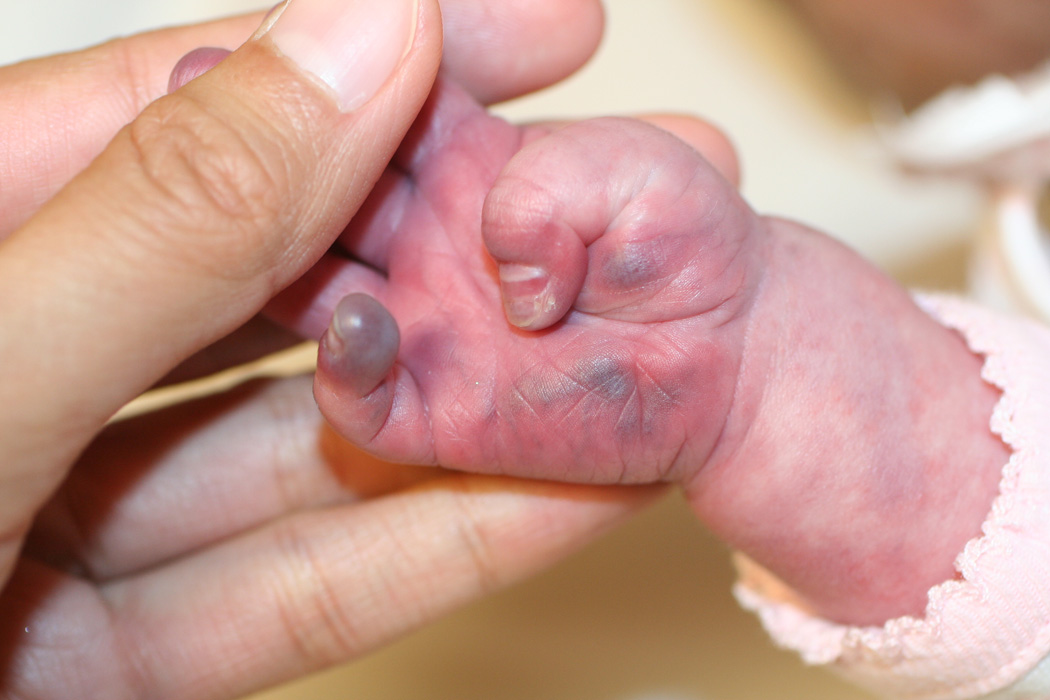
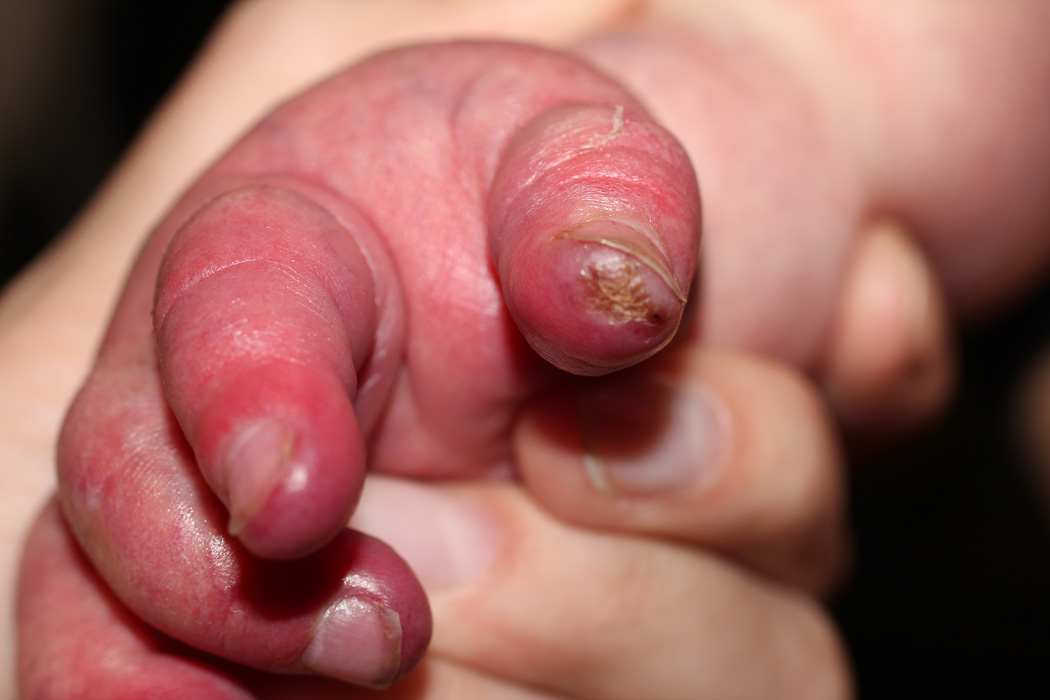
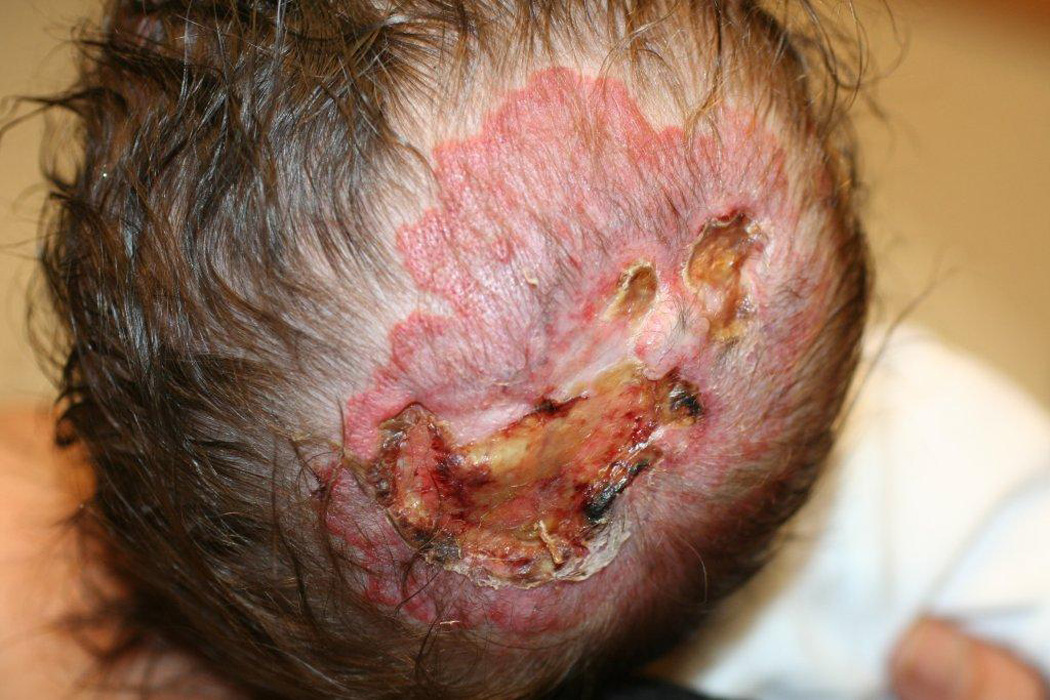
The objective of this retrospective study of patients evaluated between July 2008 and October 2011 in seven pediatric dermatology centers was to combine collective clinical experience using oral propranolol therapy in 32 infants with PHACE syndrome (Posterior fossa [brain malformations present at birth], Hemangioma [usually covering a large area of the skin of the head or neck >5 cm]; Arterial lesions [abnormalities of the blood vessels in the neck or head]; Cardiac abnormalities or aortic coarctation [abnormalities of the heart or blood vessels that are attached to the heart]; Eye abnormalities) with cervical or intracranial arterial anomalies. Patients were given an average daily dose of oral propranolol of 1.8 mg/kg divided two or three times per day for an average duration of 12.3 months. The main outcome measure was adverse neurologic events. Seven (22%) patients were categorized as being at higher risk for stroke, defined on magnetic resonance imaging as severe, long-segment narrowing or nonvisualization of major cerebral or cervical vessels without anatomic evidence of collateral circulation, often in the presence of concomitant cardiovascular comorbidities. Only one patient developed a change in neurologic status during propranolol treatment: mild right hemiparesis that remained static and improved while propranolol was continued. An additional three patients had worsening hemangioma ulceration or tissue necrosis during therapy. This is the largest report thus far of patients with PHACE syndrome treated with propranolol. Although no catastrophic neurologic events occurred, serious complications, particularly severe ulcerations, were seen in a minority of patients, and given the sample size, we cannot exclude the possibility that propranolol could augment the risk of stroke in this population. We propose radiologic criteria that may prove useful in defining PHACE patients as being at high or standard risk for stroke. We continue to advise caution in using systemic beta-blockers, particularly for children with vascular anomalies at higher risk for stroke. Use of the lowest possible dosage, slow dosage titration, three times per day dosing to minimize abrupt changes in blood pressure, and close follow-up, including neurologic consultation as needed, are recommended.
© 2012 Wiley Periodicals, Inc.
Figures

References
-
- Kilcline C, Frieden IJ. Infantile hemangiomas: how common are they? A systematic review of the literature. Pediatr Dermatol. 2008;25(2):168–173. - PubMed
-
- Léauté-Labrèze C, Dumas de la Roque E, Hubiche T, Boralevi F, Thambo JB, Taïeb A. Propranolol for severe hemangiomas of infancy. N Engl J Med. 2008;358(24):2649–2651. - PubMed
-
- Frieden IJ, Reese V, Cohen D. PHACE syndrome: the association of posterior fossa brain malformations, hemangiomas, arterial anomalies, coarctation of the aorta and cardiac defects and eye abnormalities. Arch Dermatol. 1996;132(3):307–311. - PubMed
-
- Haggstrom AN, Garzon MC, Baselga E, et al. Risk for PHACE syndrome in infants with large facial hemangiomas. Pediatrics. 2010;126(2):418–426. - PubMed
-
- Burrows PE, Robertson RL, Mulliken JB, et al. Cerebral vasculopathy and neurologic sequelae in infants with cervicofacial hemangioma: report of eight patients. Radiology. 1998;207(3):601–607. - PubMed
Publication types
MeSH terms
Substances
Supplementary concepts
Grants and funding
LinkOut - more resources
Full Text Sources
Other Literature Sources
Medical
